
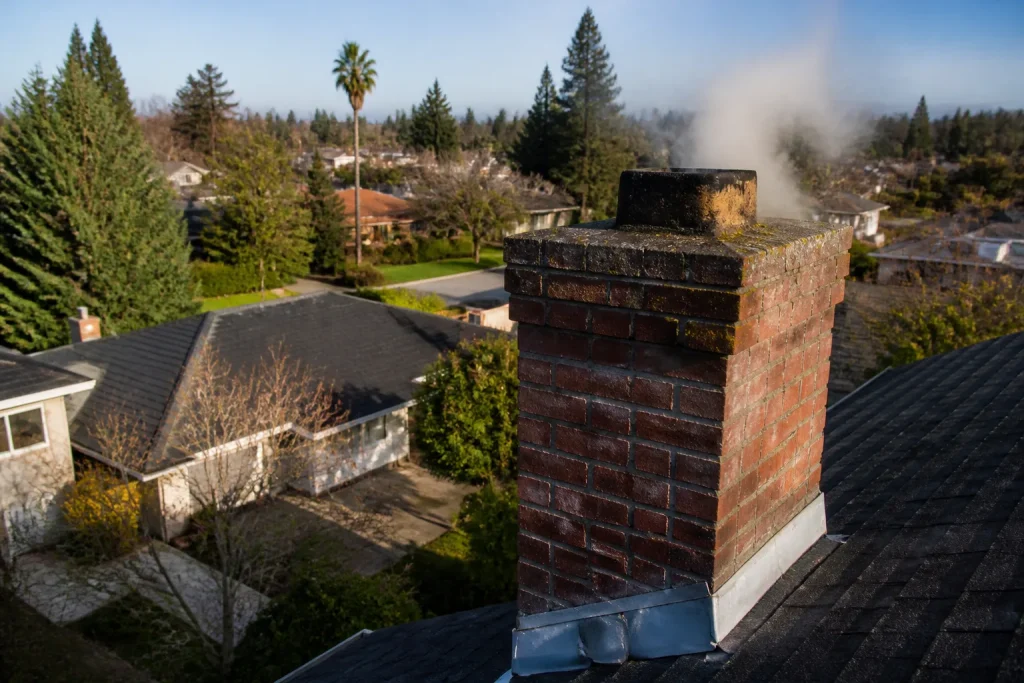
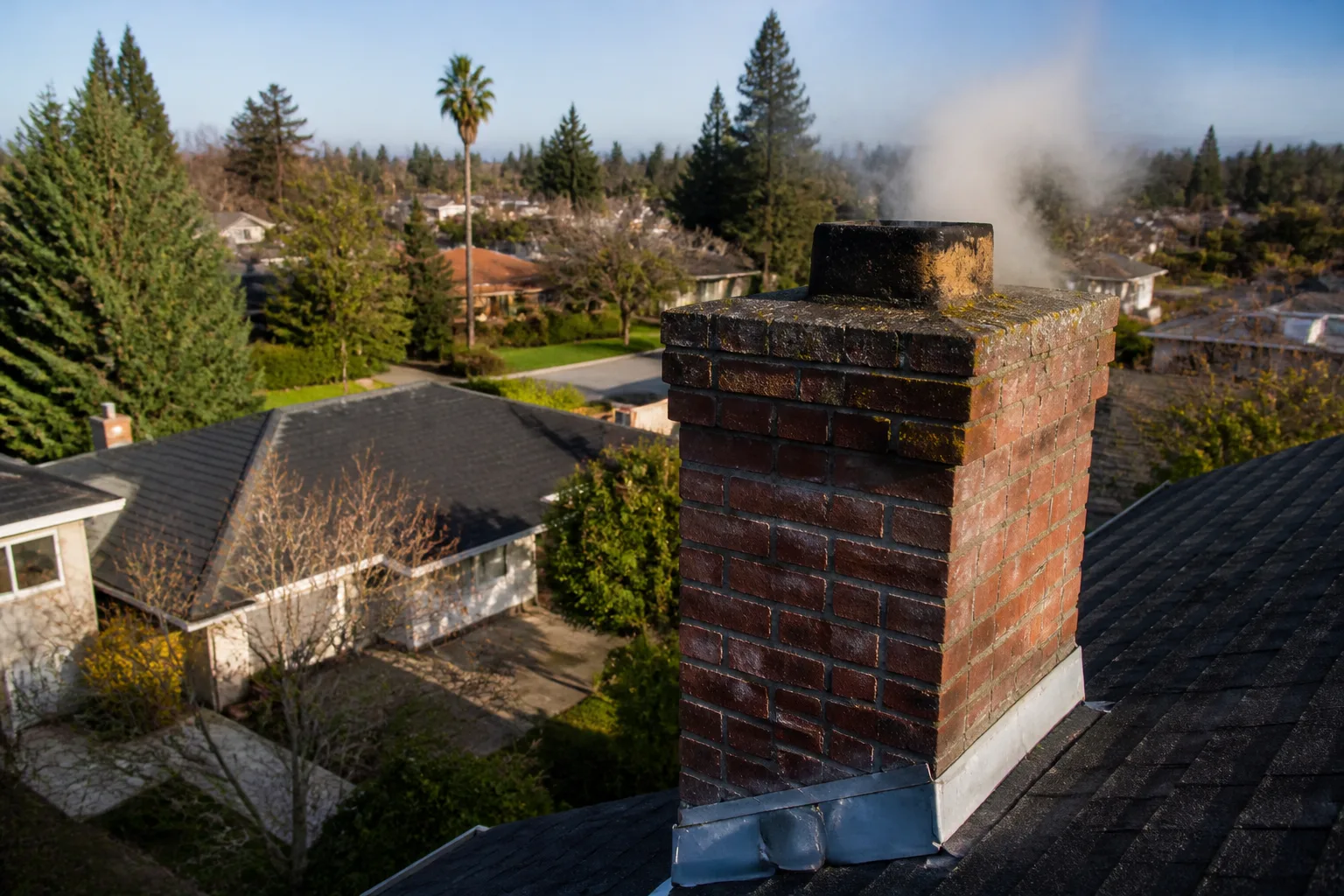
Emergency Chimney Sweep Near Me: What Del Paso Park Homeowners Should Do First
If you’re searching for an emergency chimney sweep near Del Paso Park right now, the first thing to know is this: most chimney emergencies don’t require a technician at your door in 30 minutes – they require you to take three specific safety actions in the next 30 minutes, then call for service. The sequence matters. In our experience across Del Paso Park, the homeowners who get the best outcomes are the ones who contain the problem before the phone call, not the ones who dial first and wait. If you’d rather talk it through while the situation is developing, call (855) 341-8804 and we’ll walk you through it.
We pulled a creosote-logged flue liner out of a split-level over near Hagginwood last winter where the homeowner had been airing out smoke smell for three days before calling us. The fireplace had backdrafted twice, they opened windows, the smell cleared, and they lit another fire the next night. That third fire is what turned a $300 sweep into a $2,800 liner job. The decisions you make before anyone arrives are the difference between those two numbers.
The Three Chimney Emergencies That Need Immediate Action
Not everything labeled an emergency actually is one. In Del Paso Park, we classify chimney situations into two buckets: act-now emergencies and urgent-but-schedulable issues. Knowing which is which keeps you from panicking unnecessarily, or worse, under-reacting to something genuinely dangerous.
1. Active Chimney Fire (or the smell of one that just happened)
A chimney fire sounds like a freight train running through your flue, or a loud crackling and popping that doesn’t match the size of the fire in the firebox. Sometimes you’ll see flames shooting from the chimney top. More often, homeowners in Del Paso Park report a sharp, acrid smell – like hot tar or burned plastic – that lingers after the fire is out. That smell is creosote that ignited and then smoldered. Here’s the sequence that matters:
- Call 911 first if you see active flames or hear the roar. A chimney fire can spread to the roof structure in minutes. Don’t wait to see if it dies down.
- Close the damper fully if you can do so safely. This starves the fire of oxygen. Do not open the firebox doors.
- Evacuate everyone, including pets, and wait for fire crews from outside. Del Paso Park’s residential streets are tight in some older sections, so clear a path if you’re able.
- Do not use the fireplace again until a certified sweep has inspected the flue. A chimney fire can crack the liner in ways you can’t see from the ground, and the next fire vents into your walls.
We’ve inspected chimneys in the Noralto area after chimney fires where the clay liner looked fine from the top but had hairline fractures running the entire length. That’s not something a homeowner catches. That’s what a camera inspection is for.
2. Carbon Monoxide Backdraft
This is the scariest one, because you can’t always see it. A backdraft happens when your chimney can’t pull smoke and combustion gases upward, so they pour back into the living space. In Del Paso Park, we see this most often on still, foggy winter mornings when there’s not enough temperature difference between inside and outside air to create draft.
If you smell smoke inside the house after lighting a fire, or your CO detector goes off, here’s the first-30-minutes protocol:
- Get everyone outside immediately. Carbon monoxide binds to hemoglobin faster than oxygen does. Don’t open windows and try to “fix it” while people are still inside.
- Call 911 if anyone has headache, nausea, or dizziness. Those symptoms mean you’ve already had meaningful exposure.
- Once the house is cleared and ventilated, do NOT relight the fire that day. This is the mistake we see most often in Del Paso Park. The backdraft clears, the house feels fine, and someone lights the fire again “to see if it’s okay now.” It’s not. Something caused the draft failure, and relighting without knowing what that something is repeats the same risk.
- Call for a sweep and inspection before the next fire. The cause could be a blocked flue cap, a dead animal, a cold flue needing preheating, or a structural issue. You need to know which one before you use the fireplace again.
The most dangerous decision a Del Paso Park homeowner can make after a backdraft event is relighting the fire because the smell went away. The smell going away means the house is ventilated. It doesn’t mean the chimney works.
3. Storm-Damaged Crown, Cap, or Visible Masonry
Del Paso Park gets real wind in the fall and winter, and we get called out after every significant storm season. A damaged chimney crown or missing cap is an emergency in one sense – water is now entering your chimney system every time it rains – but it’s not a call-911 emergency. It’s a call-us-this-week emergency.
Here’s what to do in the first 30 minutes after you notice storm damage:
- Check the ground around your chimney for fallen masonry, pieces of clay tile, or metal cap components. Take photos if you see any.
- If it’s raining and water is coming in through the firebox, place a bucket or towel and close the damper. A tarp over the chimney top is a temporary option if you can reach it safely; never get on a roof in wet conditions.
- Don’t start a fire to “dry things out.” Water in the flue mixed with creosote creates an acidic slurry that accelerates liner damage. Fire doesn’t fix that; it makes it worse.
- Schedule an inspection before the next rain cycle. Water intrusion through a cracked crown is cumulative. Each storm pushes moisture deeper into the masonry and the flue system.
Products like a Copperfield multi-flue cap or a poured concrete crown repair with proper expansion joints are what actually fix these problems. The fix is straightforward when it’s caught early. When it’s not, you’re looking at spalling brick, liner damage, and a much larger repair bill in a year or two.
The Two Urgent-But-Schedulable Situations
These are the cases where a homeowner in Del Paso Park calls saying “emergency chimney sweep near me” and our honest answer is: it’s urgent, but you have some time. Getting on the schedule this week or next is important. Calling 911 is not.
Heavy Creosote Buildup Detected
Maybe you dropped a flashlight down the flue and saw thick, shiny, tar-like coating on the walls. Or you’ve been burning unseasoned wood and your last fire left a sticky black residue on the damper plate. Heavy creosote buildup is the single biggest predictor of a chimney fire. It’s not burning right now, but every fire you light between now and getting it swept is a roll of the dice.
The right move: stop using the fireplace, schedule a sweep, and don’t try to “burn it off” with a hot fire or chemical creosote removers as your primary fix. We’ve seen Del Paso Park homeowners try the hot-fire method and turn stage-2 creosote into a stage-3 glaze that required mechanical removal with rotary chains. It doesn’t save money. It costs more.
Animal Blockage in the Flue
Raccoons, squirrels, birds, and in Del Paso Park specifically, roof rats love a chimney in the cooler months. If you hear scratching, chirping, or smell something dead and musty coming from the fireplace, you’ve got a blockage situation. This is urgent because a blocked flue creates the backdraft conditions we described earlier.
What to do: close the damper if it’s open (it should be closed when the fireplace isn’t in use anyway), keep pets away from the firebox area, and call for removal and a proper cap installation. Do not try to smoke the animal out with a fire. That’s a slow death for the animal, a mess in your flue, and it can push gases into your home through any gap.
A Famco or Olympia Chimney cap with proper screening is the long-term fix once the animal is out. The screening keeps everything bigger than a quarter from getting back in, and the cap keeps rain from accelerating creosote buildup.
How to Safely Close Off a Fireplace That Can’t Be Used
Once you know the fireplace is off-limits until a technician arrives, you need to seal it off. This isn’t just about keeping cold air out – it’s about preventing combustion gases from entering your home if someone in the household forgets and tries to light a fire anyway.
Here’s the proper sequence for Del Paso Park homeowners:
- Close the damper completely, latch it, and check it’s actually sealed. Most dampers in older Del Paso Park homes are cast iron throat dampers that warp over time. If yours has gaps, note that – it’s part of what the technician should inspect.
- Place a visible barrier in front of the firebox. A child gate or even a piece of cardboard taped across the opening with “Do not use – scheduled for repair” written on it prevents the absent-minded relight. We’ve seen too many “I forgot” moments to skip this step.
- Close the glass doors if you have them. Many Del Paso Park fireplaces from the 70s and 80s have glass bifold doors. Close them to create a second barrier.
- Remove any firewood, kindling, or fire starters from the hearth area. Make it inconvenient to start a fire, not just discouraged.
- For temporary chimney top blockage (during storm damage repairs), a waterproof tarp secured with bungee cords around the flue cap area works for short periods. Don’t leave tarps on for weeks – trapped moisture creates its own problems.
If you’re in a multi-story Del Paso Park home with an upstairs fireplace connected to the same flue system, close both off. Many flues serve a single firebox, but some older homes share. When in doubt, treat the whole system as off-limits.
What to Have Ready When You Call for Emergency Service
The phone call matters. When you call a chimney sweep in Del Paso Park about an emergency, the person answering is trying to triage your situation. Good triage means the right technician with the right equipment gets dispatched. Bad triage means someone shows up and has to come back later with additional gear because the homeowner couldn’t provide basic information.
Have these five things ready before you dial:
- Fireplace type: Masonry (brick and mortar), prefabricated (metal pipe), freestanding wood stove, or gas insert. This determines what kind of equipment we bring and what codes apply.
- Last service date: Even approximate. If you had the chimney swept three years ago, that’s different than “never in the 12 years we’ve lived here.” It gives us a baseline for how much creosote could be present.
- Fuel type: Seasoned wood, gas logs, pellets, or a mix. Gas fireplaces still need service. Del Paso Park homes with gas inserts often go years without any inspection because “it’s just gas.” Gas still produces corrosive byproducts that eat at flue components.
- The specific symptom: Don’t say “it’s not working.” Say “I smell acrid burning tar two days after the last fire” or “the CO detector went off when we lit the first fire of the season.” Specifics determine emergency versus scheduled.
- Animal activity if relevant: Scratching sounds at night, chirping in the morning, or a dead smell. This tells us to bring removal equipment and likely a cap for installation.
One call we answered from a Del Paso Park homeowner last fall: “My fireplace is leaking during rain, and also sometimes I smell something weird.” Those are two different problems – a crown or cap issue and likely an animal. If she’d only mentioned the leak, we’d have arrived without the equipment to check for and remove a nest. The more you tell us, the better the first visit goes.
When to Call a Pro (and When You Genuinely Can’t DIY This)
There are exactly zero chimney emergencies that a Del Paso Park homeowner should attempt to fix themselves. This isn’t gatekeeping – it’s the reality of what’s involved. Chimney fires happen inside a vertical tunnel running through the center of your house. Backdrafts involve invisible, odorless gases. Storm damage happens on rooftops with pitch angles that kill people every year. The tools required for inspection (chimney cameras, draft gauges, moisture meters) are specialist equipment.
If your situation involves any of the three act-now emergencies above, call a certified sweep. If it involves the two urgent-but-schedulable situations, call a certified sweep. The only thing you should do yourself is the first-30-minutes containment protocol, and you should do that carefully.
Related services in Del Paso Park: Chimney Sweep in Del Paso Park for regular maintenance and creosote removal, Chimney Repair in Del Paso Park for storm damage, crown work, and liner issues, and Dryer Vent Cleaning in Del Paso Park for the other fire risk you should have checked while we’re thinking about ventilation.
The Bottom Line
Here’s what to remember when you’re searching for an emergency chimney sweep near Del Paso Park:
- Act-now emergencies: active or just-happened chimney fire, CO backdraft, and storm damage letting water into the system. Call 911 for active fire or CO symptoms, then call us.
- Urgent-but-schedulable: heavy creosote buildup and animal blockage. Stop using the fireplace and get on the schedule within the week.
- First 30 minutes matter more than dispatch speed. Close the damper, get people out if gases are involved, contain the firebox, don’t relight.
- Never relight after a backdraft clears. The smell disappearing doesn’t mean the chimney is safe. It means the house is ventilated. Those are different things.
- Have your fireplace details ready when you call. Type, last service, fuel, specific symptom. It changes what we bring and how we prioritize.
If you’re in Del Paso Park and need someone who handles the full sweep-to-repair cycle, Chimney Sweep Del Paso Park home is where to start. We work with professional-grade products – DuraFlex for liner systems, HeatShield for flue resurfacing, Olympia Chimney and Famco for caps and termination components – because emergency repairs shouldn’t use whatever’s on the shelf at the hardware store. Estimates are free. Call (855) 341-8804.
Frequently Asked Questions
A standard chimney sweeping in Del Paso Park typically runs $190 to $310 depending on the firebox size and how much creosote is present. Emergency service that requires same-day or next-day scheduling, animal removal, or storm-damage assessment adds to the total. You’ll get a flat-price quote before we book, so there’s no surprise line item. Call (855) 341-8804 for an exact number on your specific situation.
No. A backdraft that clears is still a backdraft. Something caused the combustion gases to flow into your home instead of up the flue – a blockage, a cold flue, negative pressure in the house, or a structural issue. Until that cause is identified and corrected, every fire you light carries the same risk. Get an inspection first, then fire. Call (855) 341-8804 to schedule one.
For genuine act-now emergencies like an active chimney fire or carbon monoxide backdraft, call 911 first – that’s not our window to fill. For urgent-but-schedulable situations like heavy creosote, animal blockage, or storm damage, we’ll get you on the schedule as quickly as our current call list allows, typically within a few business days and often sooner during the fall and winter when we run extended service days. The right call is getting on the schedule, not waiting to see if it worsens.
Yes. A chimney fire can crack a clay liner in ways invisible from the top or bottom of the flue. The only way to know whether your chimney survived the event intact is a full-length camera inspection. Skipping it means the next fire could vent through those cracks into the walls around your chimney. We don’t recommend liner work without camera evidence – and we don’t give the all-clear without it either. Call (855) 341-8804 to book an inspection.
Written by the team at Chimney Sweep Del Paso Park, serving Del Paso Park since 2014.
Need Chimney Cleaning Help?
Call Chimney Sweep Del Paso Park - licensed & insured, with free written estimates in Del Paso Park.
(855) 341-8804