
Last updated November 2, 2026
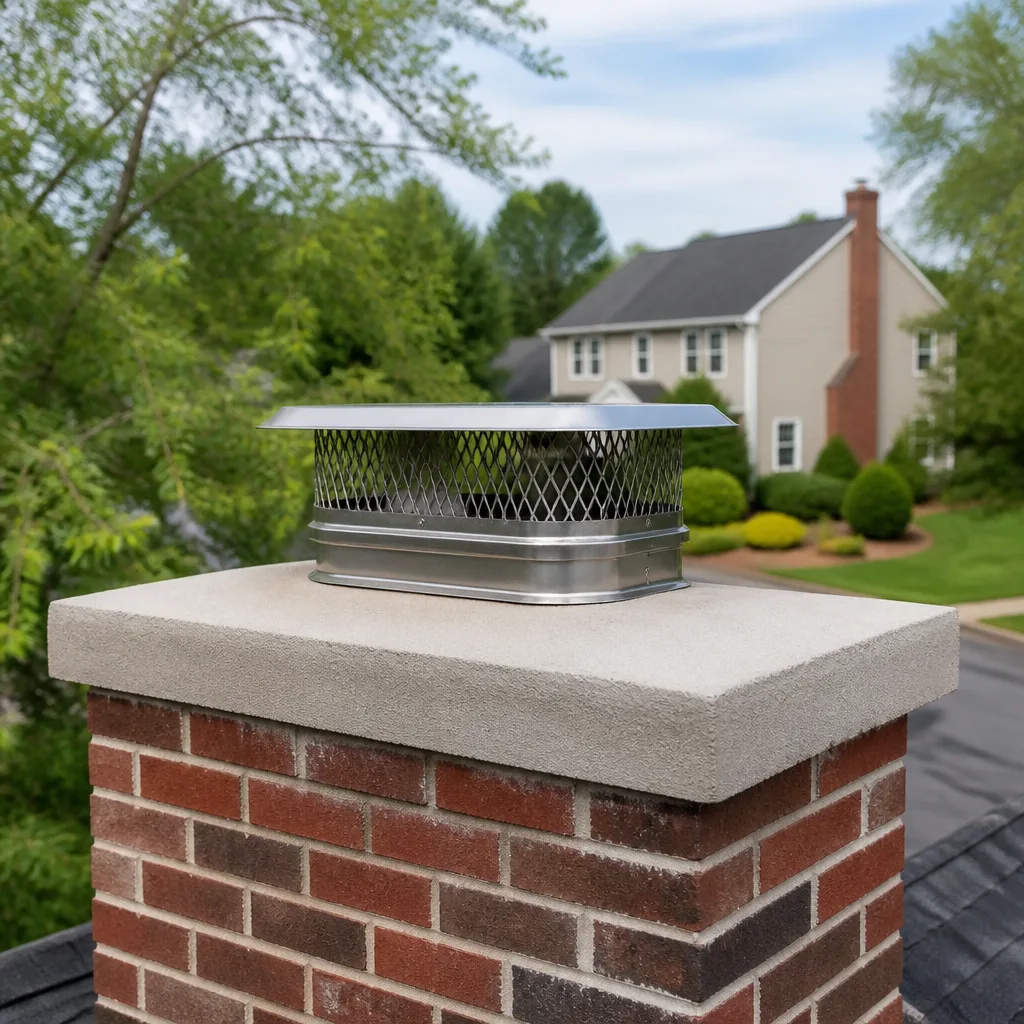 Sweep & inspection
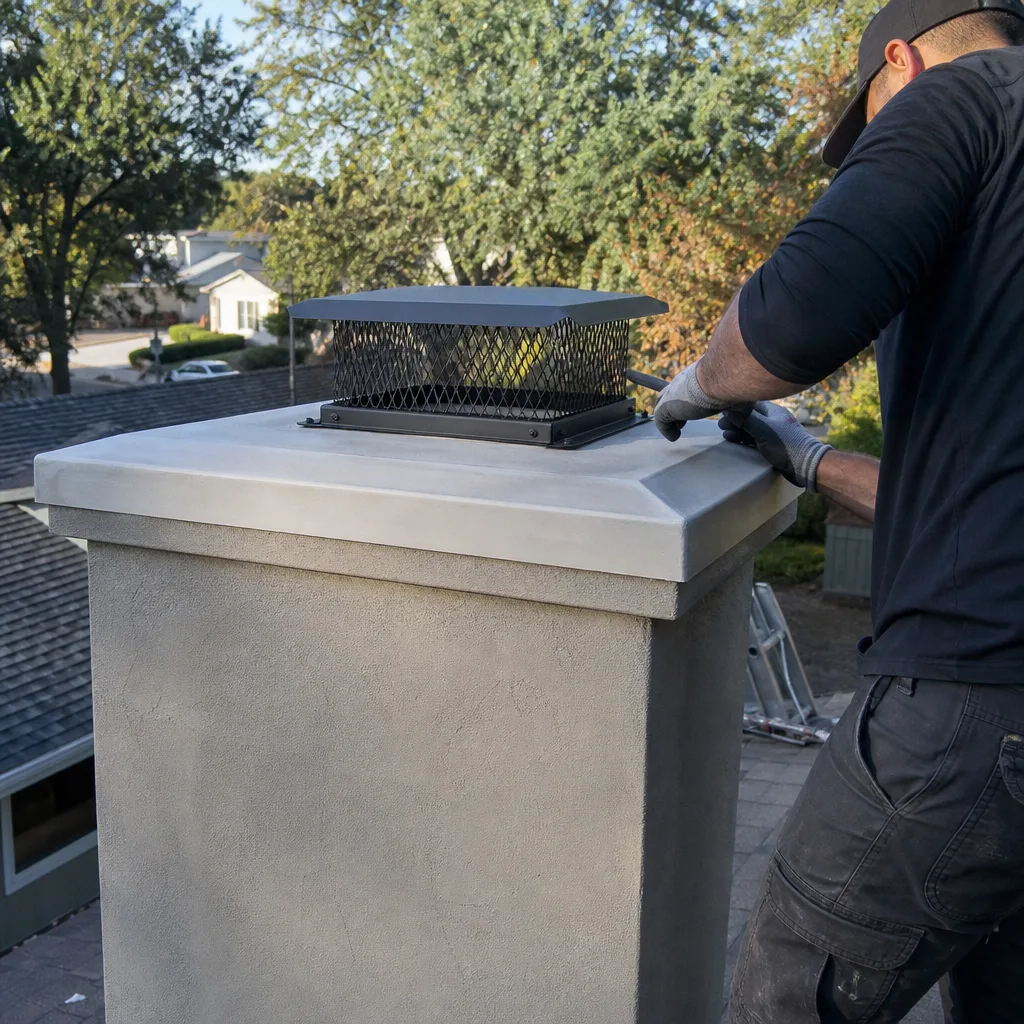
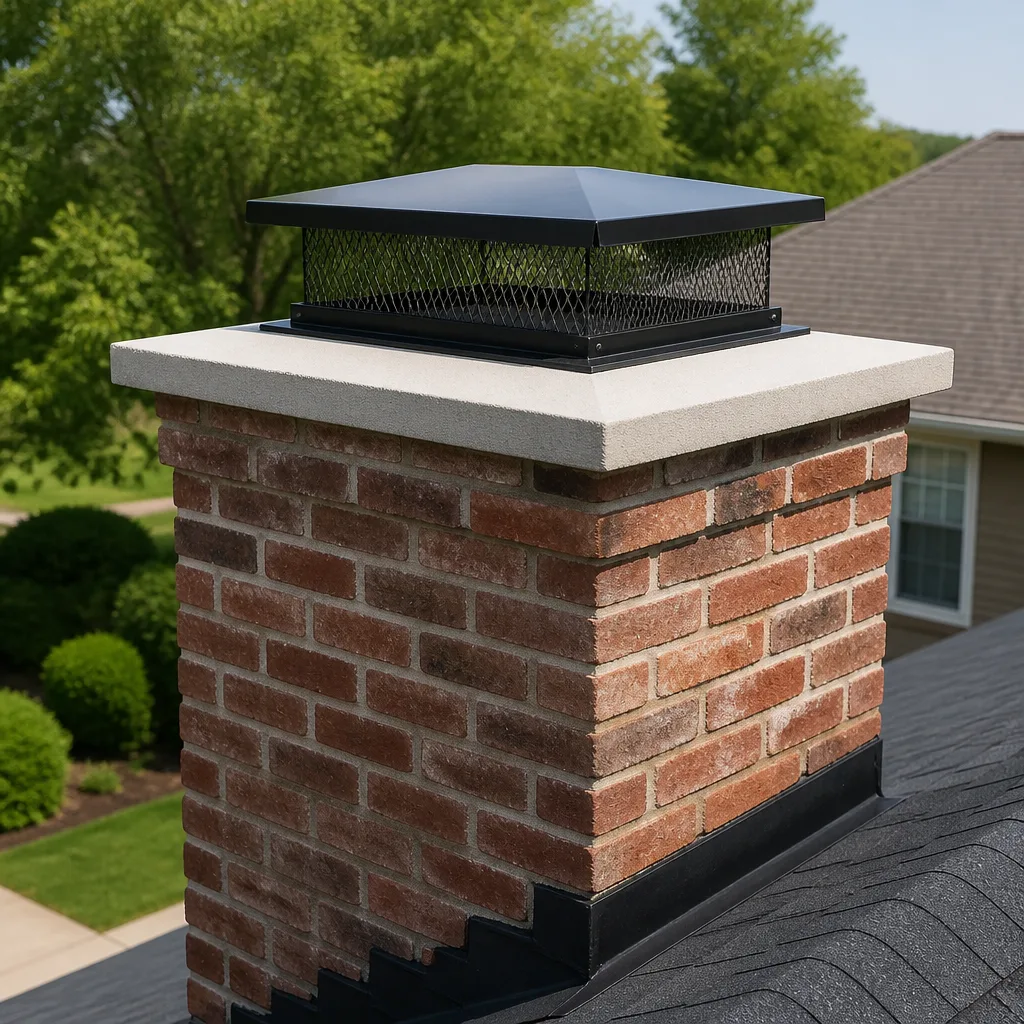 Caps & crowns
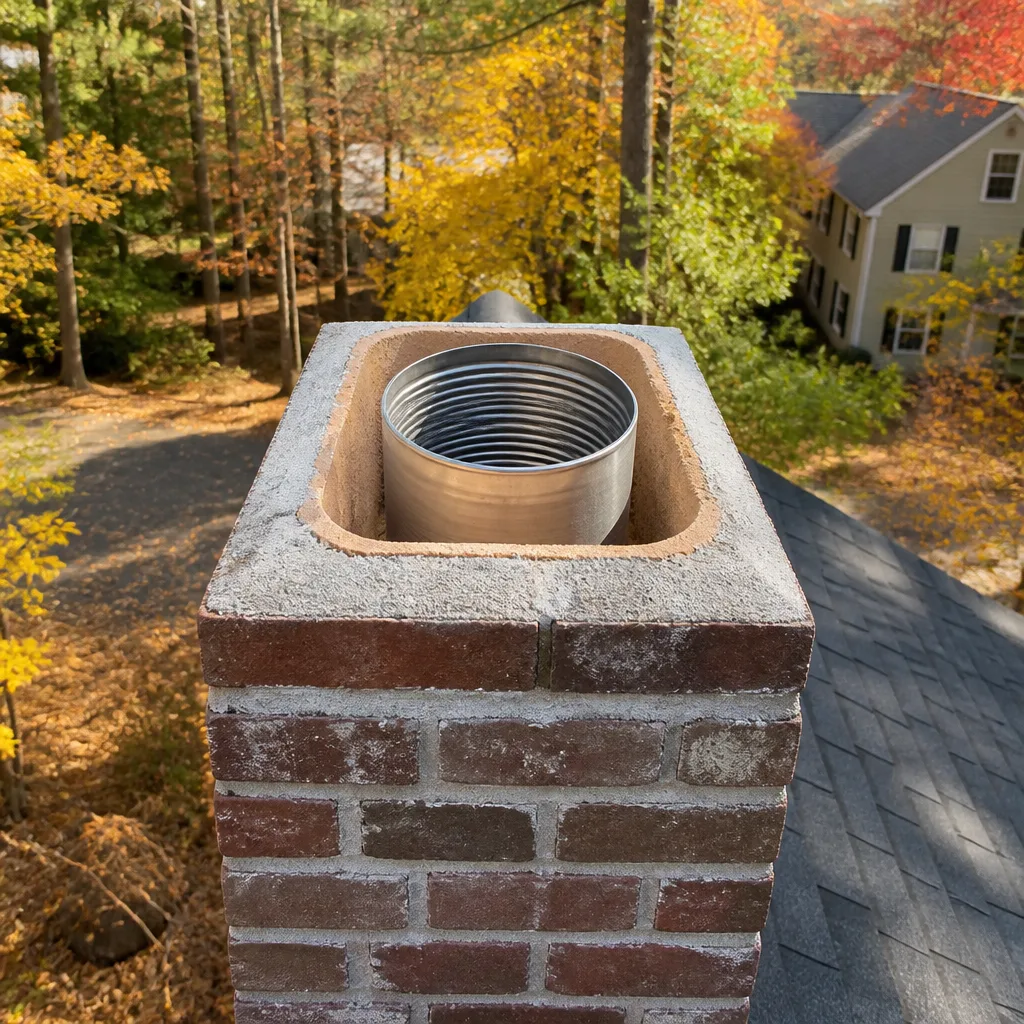 Flue relining
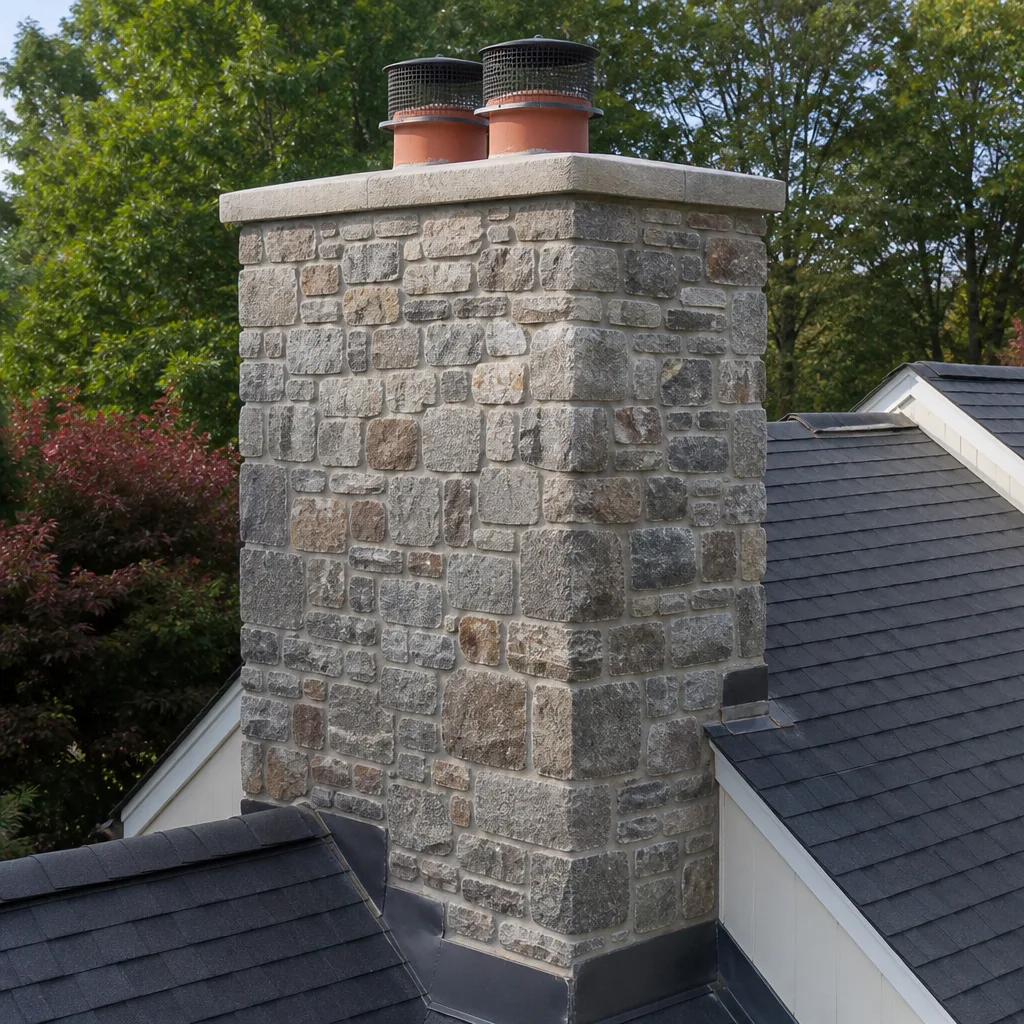 Masonry repair
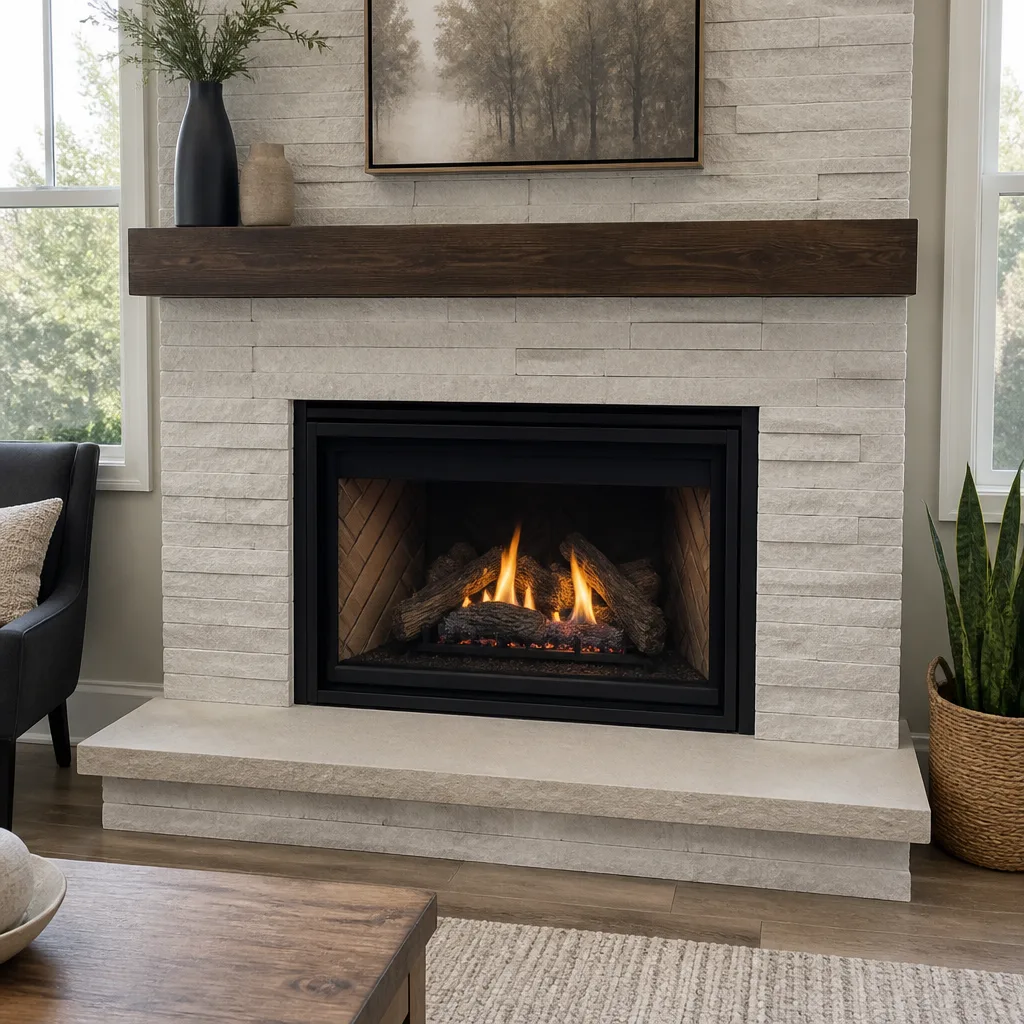 Gas fireplace service
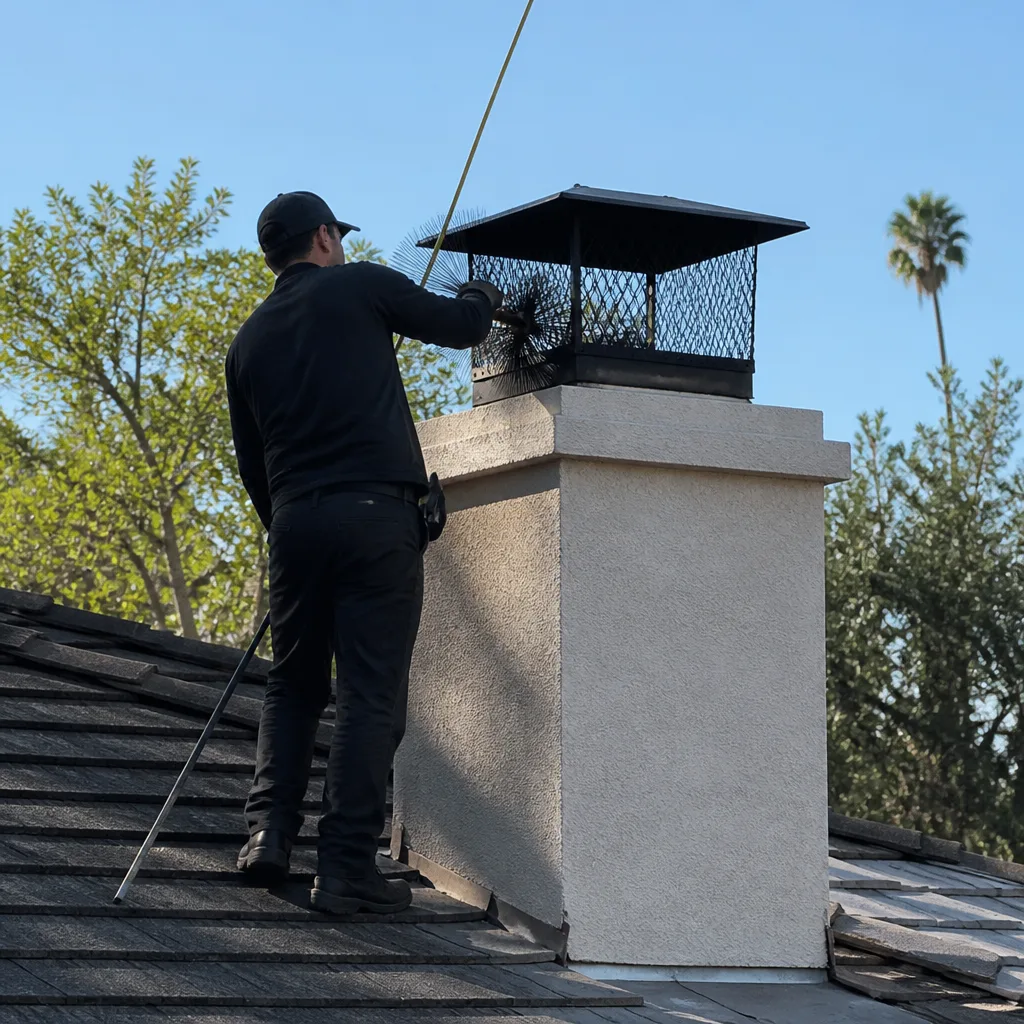
Level 1 sweep and inspection to the NFPA 211 annual standard - flue, crown, cap, and flashing checked and photographed
Chimney sweep logs do not sweep chimneys. They loosen some creosote - which then falls where a brush and vacuum still have to collect it.
Chimney Sweep Troubleshooting: Common Problems and How to Fix Them
Here’s a counterintuitive fact about chimney problems: most homeowners misdiagnose them, and that misdiagnosis costs real money. A smoky living room after lighting a fire is the most misdiagnosed chimney problem there is. Most homeowners assume blockage or dirty flue, but the actual cause is often a cold flue column or a damper problem that a sweep won’t fix. In Del Paso Park, where winter mornings dip into the 30s and homes were built across several decades, we see the same handful of symptoms pointing to very different mechanical failures. This guide walks you through each symptom, what it actually means, what you can safely check yourself, and when the right move is to stop and call a Chimney Sweep who can see inside the flue. By the time you finish reading, you’ll be able to describe your chimney problem like a technician, not a frustrated homeowner guessing at causes.
Quick Answer
Most chimney problems fall into one of four categories: draft failure (cold flue, damper position, air pressure), blockage (creosote, debris, animal nesting), structural damage (cracked liner, failed crown, spalling brick), or moisture intrusion. The symptom you notice, whether it is smoke rollback, a smell between fires, or visible soot around the firebox, points to a specific failure point. Correctly identifying that failure point before calling a technician saves you from paying for a repair you don’t need, and our more guides & resources can help you prepare.
Styles & brands we work with
- Sweep & inspection
- Caps & crowns
- Flue relining
- Masonry repair
- Gas fireplace service
Table of Contents
- Symptom-to-Cause Mapping: What Your Chimney Is Telling You
- Draft Problems vs. Blockage Problems: How to Tell Before You Call
- Cracked, Deteriorated, or Just Dirty: Understanding Liner Conditions
- Why a Gas Fireplace Can Show Identical Symptoms to a Wood-Burning One
- What to Safely Observe Yourself vs. What Requires a Camera
- Repair Pathways: What Fixes Actually Involve
- Common Mistakes to Avoid
- When to Call a Professional
- Frequently Asked Questions
Symptom-to-Cause Mapping: What Your Chimney Is Telling You
Every chimney symptom is a signal, and different symptoms point to different parts of the system. Here is how to read the three most common complaints we hear from homeowners in Del Paso Park, drawn from The Complete Chimney Sweep Guide for Del Paso Park Homeowners.
Smoke rollback into the room
This is the one that sends people to the phone. Smoke pouring into the living room five minutes after lighting a fire feels like a crisis, and sometimes it is. But surprisingly often it is a draft problem, not a blockage problem. When smoke rolls back immediately after lighting, the flue has not warmed enough to create upward draw. Cold air sits in the chimney column like a plug. This is especially common in Del Paso Park in January and February, when the temperature difference between inside and outside is at its widest.
The fix is often as simple as priming the flue: hold a lit rolled-up newspaper near the open damper for 30 seconds before lighting the main fire. If that solves it, the problem is cold flue, not a dirty chimney. If smoke rollback happens on a warm chimney that has been burning for an hour, that points to something else: a partially closed damper, a flue restriction, or negative air pressure in the house from a running kitchen exhaust or HVAC system.
Smoke smell between fires
This is a different signal entirely. If you smell smoke when no fire has burned in days, you are not experiencing smoke rollback. You are experiencing downdraft or, more commonly, the chimney acting as a pathway for odors trapped in creosote deposits. Warm, humid air pushes downward through the flue and picks up the smell of soot and creosote on the flue walls. In the Sacramento Valley, where Del Paso Park sits, our hot summers can bake creosote and release odors into the house, even when the fireplace has been dormant for months.
The fix for this is an actual cleaning, because the creosote is the odor source. But it can also indicate a damper that is not sealing fully, allowing that air exchange year-round.
Visible soot around the firebox opening
Dark staining on the face of the fireplace, above the opening or along the sides, tells you that smoke is escaping during normal operation. Not backdrafting dramatically, but leaking around the edges. This points to a firebox or damper issue, not a flue blockage. The most common cause is a damper that does not seat properly, or a firebox that was built without sufficient smoke chamber design. Soot staining on the fireplace face is a mechanical problem with how the system directs smoke, and no amount of sweeping will fix it, as covered in Choosing the Right Chimney Cleaning Brand: A Buyer’s Guide for Del Paso Park.
We should mention that our Chimney Sweep in Del Paso Park service includes an inspection that maps exactly where your smoke is going, not just how much creosote is present.
Draft Problems vs. Blockage Problems: How to Tell Before You Call
The most valuable diagnostic skill a homeowner can have is separating draft problems from blockage problems. They have different causes, different fixes, and different costs. Here is a structured way to think about it.
Signs of a draft problem
- Smoke rollback only when the fire is first lit, resolving within minutes
- Smoke rollback that appears when the kitchen exhaust fan or clothes dryer is running
- Intermittent smoke odor that comes and goes with weather changes
- A fire that burns well on some days and poorly on others, with no change in wood type
- A damper that is stiff, rusted, or does not open and close fully
Draft problems are air pressure and temperature problems. They are affected by chimney height relative to the roofline, by surrounding trees and taller structures, and by how airtight the home is. A homeowner in Del Paso Park with a two-story home and a chimney that barely clears the ridge line is fighting physics, not dirt. Sealing the home more tightly makes draft problems worse, because the fire cannot pull replacement air from anywhere.
Signs of a blockage problem
- Smoke rollback that is consistent and worsens over time
- A fire that burns visibly weaker each week
- Debris falling into the firebox when the damper is opened
- Animal sounds, droppings, or nesting material visible from the roof or firebox
- Creosote that looks glossy or tar-like rather than dusty
Blockage problems are physical obstructions. Creosote is the most common, but bird nests, squirrel nesting, leaves, and even a dead animal are all routine findings. The diagnostic difference matters for one practical reason: a sweep fixes a blockage, and a sweep cannot fix a draft.
This is exactly the point where our repair capability matters. A company that only sweeps will sweep a chimney with a draft problem, hand you a clean chimney, and leave you with the same smoky room. A Chimney Repair in Del Paso Park scope means the same technician who finds the draft issue can also fix it. That is why we built our service model around the full sweep-to-repair cycle.
Cracked, Deteriorated, or Just Dirty: Understanding Liner Conditions
A flue liner is the barrier between fire and house structure. Clay tile liners, the standard in most Del Paso Park homes built before the 1990s, crack over time. Stainless steel liners corrode or separate at seams. And cast-in-place liners can spall or delaminate. But not every liner problem means the same repair, and the distinction matters because the cost difference is large.
Cracked clay tile liner
Cracks show up as vertical or horizontal fissures in the tile. They are visible on camera inspection as dark lines. A cracked tile means combustion gases can reach the masonry surrounding the flue, which is how chimney fires start in the structure itself, not in the flue. This condition requires repair, not cleaning. The repair pathway is either a stainless steel liner install or a resurfacing product like HeatShield, which we stock and install. Both bring the flue back to code compliance.
Deteriorated liner (spalling, flaking, missing sections)
This is beyond cracking. The liner material itself is breaking apart. You might see fragments of clay tile in the firebox. The flue surface is rough and uneven, which means creosote accumulates faster and the liner can no longer contain heat the way it should. A deteriorated liner needs structural intervention. In some cases, full replacement is the answer. In others, a HeatShield resurfacing can rebuild the flue interior to a smooth, insulated finish, which also improves draft. The manufacturer-supported system gives us a repair option that sweep-only companies simply cannot offer.
Dirty liner (creosote buildup)
Here is the good news: a liner covered in creosote is often perfectly sound underneath. Third-degree creosote, the glossy, tar-like kind, is a fire hazard and a blockage risk, but it does not necessarily mean the liner is damaged. A thorough sweep removes it and a camera inspection confirms what is underneath. This is why we never recommend replacement liner based on a sweep alone. You deserve to see the video before anyone quotes you a liner job.
As a homeowner, you do not need to identify these conditions yourself. What you need is a camera report that shows you the inside of your flue. In our experience, we have seen homeowners in Del Paso Park told by other companies that a liner was “shot” after a sweep, when the camera showed exactly what it showed: a dirty liner that cleaned up fine. The video tells the truth. Ask for it.
Why a Gas Fireplace Can Show Identical Symptoms to a Wood-Burning One
Gas fireplaces fool people. A gas appliance produces no visible smoke during normal operation, which leads homeowners to assume that if there is a problem, it cannot be the chimney. But gas fireplaces vent combustion gases that are invisible, and when those gases are not venting properly, the symptoms can look exactly like a wood-burning chimney problem.
Here is the list of symptoms that overlap:
- Black soot staining around the firebox or on the glass
- A smell of “burned” air or a sulfur-like odor when the fireplace runs
- Condensation or moisture inside the firebox
- Headache or lightheadedness when the fireplace has been running (a genuine carbon monoxide signal, and one that means the fireplace should be off and the room ventilated immediately)
The diagnostic path for a gas fireplace is entirely different from wood. With a wood-burning system, you are looking for creosote accumulation and drafting issues. With a gas system, you are looking for proper vent sizing, blockages in the vent pipe, seal integrity at joints, and whether the appliance is burning correctly. A gas flame should burn blue. A yellow, lazy flame means incomplete combustion, which produces soot and carbon monoxide.
One specific issue in Del Paso Park homes with older gas log sets: a fireplace that was originally built for wood and converted to gas without a proper liner. The original clay tile flue was sized for wood-burning temperatures. A gas appliance vents through that same flue and cools quickly, producing condensation that eats away at the mortar joints. The result is a liner that deteriorates from the inside out, even though it never sees a wood fire. This is a routine finding on camera inspections, and it is one reason gas fireplace chimneys should not be ignored just because they seem cleaner.
Our troubleshooting for gas systems looks at combustion, venting, and sealing. The materials we use, including Gelco and Olympia Chimney components for gas venting systems, are chosen because they are code-approved for specific fuel types. A gas vent is not a place for generic hardware-store fittings.
What to Safely Observe Yourself vs. What Requires a Camera
There is a line between responsible homeowner observation and things that require trained eyes, proper tools, and in some cases roof access. Knowing where that line sits saves you time and keeps you safe.
What you can safely check from the ground
- Damper operation. Open and close the damper fully. It should move freely and seal visibly when closed. A damper that sticks, rattles, or drops shut on its own is a finding worth mentioning.
- Crown condition from the ground. Stand back and look at the top of the chimney. You are looking for obvious cracks, missing chunks of concrete, or visible lean in the cap. Binoculars help.
- Visible smoke path. Light a small fire and watch what happens. Does smoke roll into the room immediately? Does it clear after priming the flue? Does the fire burn steadily once established? Write down what you observe; it is the most useful information you can give a technician.
- Soot staining pattern. Look at the fireplace face. Is the staining uniform, or concentrated on one side? One-sided staining points to a specific air pressure or damper issue rather than a general cleanliness problem.
- Brick and mortar condition at eye level. Inside the firebox and along the hearth, look for cracked mortar joints, loose bricks, or white powdery deposits (efflorescence, which signals moisture migration).
What requires tools and camera access
- Flue liner inspection. The liner cannot be assessed from below. A camera pushed through the flue shows cracking, gaps, separation, and moisture staining.
- Crown and cap close-up evaluation. A ground-level look will not catch hairline cracks that admit water. Roof access and a close visual are required.
- Smoke chamber inspection. The area above the damper before the flue narrows is a common site for gaps and missing mortar, and it is invisible from below.
- Dryer vent inspection. Lint accumulation in a dryer vent is not visible from either end in most homes. A camera or high-powered air test is needed to know whether the run is clear.
- Creosote measurement. The difference between a thin layer of creosote and a fire-hazard accumulation is a measurement, not a guess.
- Burning a fire to “clean out” the chimney. A hot fire does not clean creosote; it can ignite it. The temperature needed to burn off third-degree creosote is also the temperature that starts a chimney fire. Never treat fire as a cleaning tool.
- Ignoring a draft problem because the chimney was just swept. A clean chimney with a draft problem still smokes. If the sweep did not include an inspection that identified the draft issue, the underlying problem remains.
- Sealing a drafty fireplace with glass doors and calling it fixed. Glass doors change airflow at the firebox, but they do not address the flue or damper. In some cases they make negative-pressure smoke rollback worse by restricting the fire’s air supply.
- Assuming a gas fireplace does not need chimney work. Gas appliances produce acidic condensation that damages liners over time. A gas chimney should be inspected and cleaned on a regular schedule just like a wood-burning one.
- Quoting a liner replacement without showing the homeowner the camera video. Any company that asks you to spend thousands of dollars without letting you see the evidence is asking you to trust them more than you should. The video is the proof. If they will not show it, find someone who will.
- Waiting until burning season to call about a known problem. In Del Paso Park, autumn fills contractor schedules fast. A chimney problem you discover in February can be fixed at your leisure in spring or summer, and you walk into October with a working fireplace instead of a waitlist.
The rule is simple: observe and take notes, but do not climb on the roof and do not attempt to disassemble anything inside the chimney. Gravity is unforgiving, and so are chimney fires.
Repair Pathways: What Fixes Actually Involve
Here is what happens after the diagnosis. Each repair has a specific scope, and understanding that scope helps you evaluate quotes intelligently.
Crown repair or rebuild
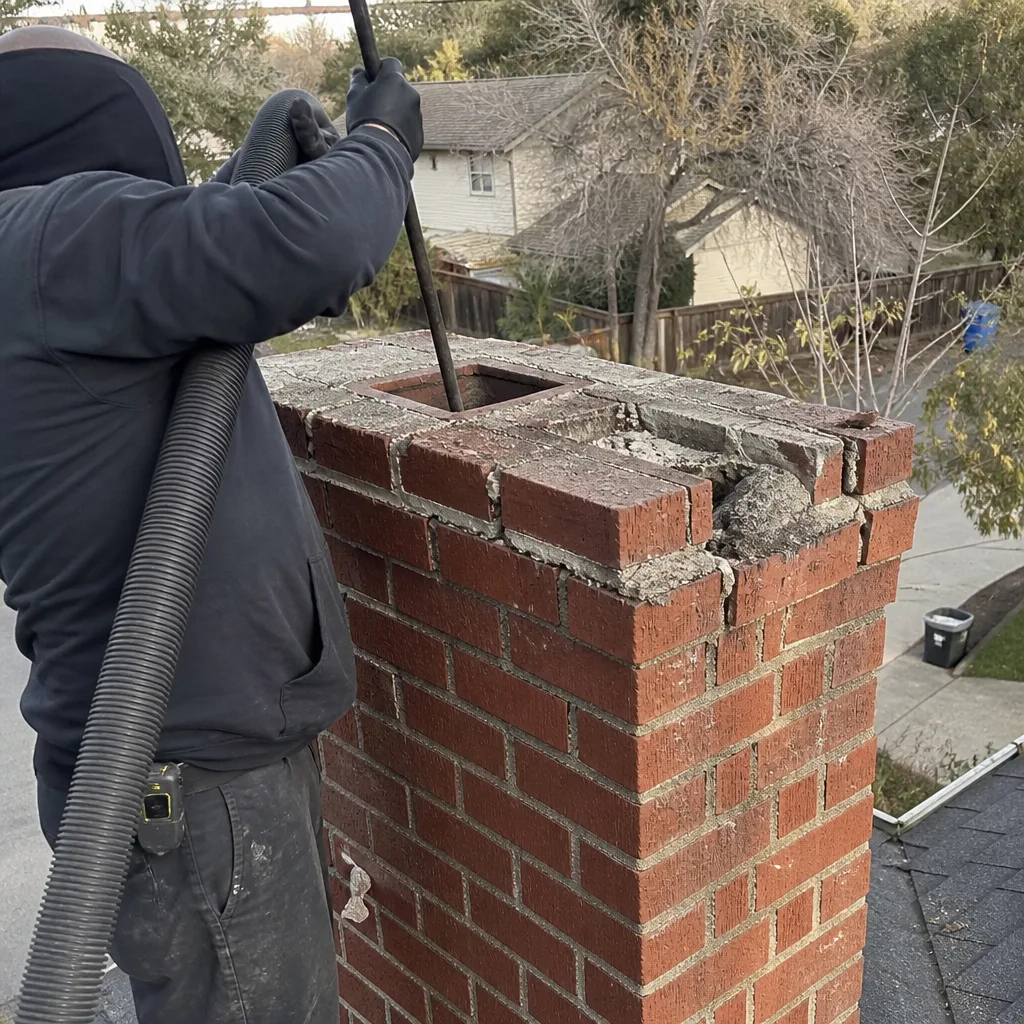
A cracked crown lets water into the masonry. The repair involves removing the old crown down to sound material and pouring a new concrete crown with proper overhang and a drip edge. This is a day of work with roof access, and it is the single most cost-effective structural repair you can do, because a working crown prevents most other masonry damage.
Flue liner resurfacing (HeatShield)
For a liner with cracking or spalling that has not completely failed, a resurfacing product rebuilds the interior surface. The process involves cleaning the flue to bare tile, then applying the resurfacing material in sections to create a smooth, insulated, continuous liner. It restores draft and contains combustion gases, and because it is manufacturer-supported, the product carries a warranty rather than a handshake promise. This is a repair capability that separates a repair-capable chimney company from a sweep-only operation.
Stainless steel liner installation
When the existing liner has failed entirely, a stainless liner is installed inside the flue. We work with DuraFlex liners, the professional-grade line used across the industry. A DuraFlex install is sized to the specific appliance, whether wood or gas, and it is insulated per code.
Damper replacement
A damper that does not seal properly is an energy leak year-round and a smoke leak during fires. Replacement involves removing the old damper assembly and installing a properly fitted replacement. For homeowners who want the simplest possible operation, a top-sealing damper can be installed at the flue outlet, which also functions as a cap when closed.
Dryer vent cleaning and repair
Dryer vents share a risk profile with chimneys: blocked airflow and heat buildup. Lint is the leading documented cause of dryer fires. A Dryer Vent Cleaning in Del Paso Park service removes the lint plug, and if the vent run is damaged, disconnected, or the wrong material, repair brings it back to code. Most dryer vent runs in Del Paso Park homes are longer than ideal, which makes regular cleaning more important, not less.
Common Mistakes to Avoid
When to Call a Professional
Call a professional when you see soot staining that persists after the damper has been inspected, when you smell smoke between fires that does not clear after a cleaning, when the fire burns weakly despite a clean flue, when you hear animal activity in the chimney, when water stains appear on the ceiling near the chimney, or when you have not had the chimney inspected in more than two years. If you have a gas fireplace and notice a yellow flame, sulfur smell, or condensation in the firebox, the right move is a technician who understands gas venting. Chimney Sweep Del Paso Park offers free estimates in Del Paso Park, and every inspection includes camera documentation so you can see what we see. Call (855) 341-8804 to schedule.
Frequently Asked Questions
A blocked chimney usually shows up as weak draft, smoke rollback that does not improve as the fire burns, or debris falling into the firebox. The only definitive way to know is a visual inspection with a camera, which shows exactly where the blockage is and what it consists of.
Summer chimney smells come from creosote deposits releasing odor into warm, humid air that travels down the flue. The fix is a proper sweeping to remove the creosote, plus checking that the damper seals correctly. A top-sealing damper can eliminate the problem entirely in homes where the smell persists.
The National Fire Protection Association recommends inspection at least once a year, with sweeping scheduled when creosote buildup reaches 1/8 inch. For a wood-burning fireplace used regularly in Del Paso Park, that typically means an annual sweep. A gas fireplace can go two years between cleanings, but the venting should still be inspected annually.
Only if the existing liner is cracked, deteriorated, or the wrong size or material for the appliance. A dirty liner is not a failed liner. Before accepting any liner replacement quote, ask for the camera video that shows the damage. If the damage is real, the video will make it obvious.
You can observe your chimney and take notes, but actual sweeping involves roof or ladder access, specialized brushes sized to the flue, and the ability to recognize damage that a cleaning might expose. It is genuinely dangerous work, and a homeowner cannot see what a camera sees. The risk is not just falling off the roof; it is missing a crack that becomes a chimney fire.
A standard chimney sweep in Del Paso Park typically ranges from $180 to $320 depending on flue size, accessibility, and creosote stage. Repairs are priced separately after a diagnosis, and any company you hire should give you a written price before the work begins. Call (855) 341-8804 for an exact quote, and the estimate is free.
The Bottom Line
Chimney symptoms are specific. A smoky fire on a cold morning is usually a draft problem. A smoke smell between fires is usually creosote odor traveling down the flue. Soot around the firebox opening means smoke is escaping past the damper, not that the flue is dirty. The right diagnosis saves you from paying for the wrong repair, and the right diagnosis requires seeing what is inside the flue. In Del Paso Park, we do exactly that, with a camera and a scope of work that covers Chimney Sweep Del Paso Park home services from sweep to repair. Know what is inside your flue before the next fire season. When you are ready for answers rather than guesses, call us at (855) 341-8804.
Written by the team at Chimney Sweep Del Paso Park, serving Del Paso Park since 2014.
See the difference
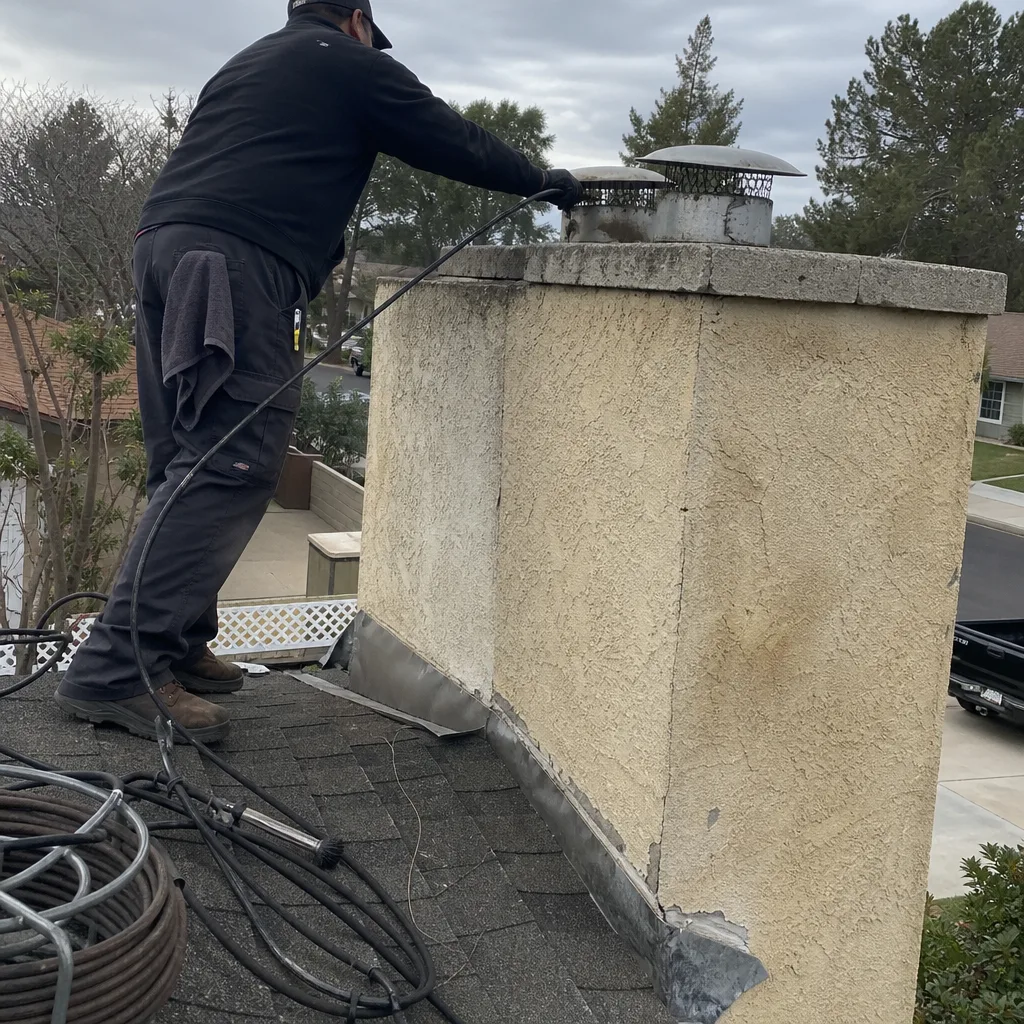 Before
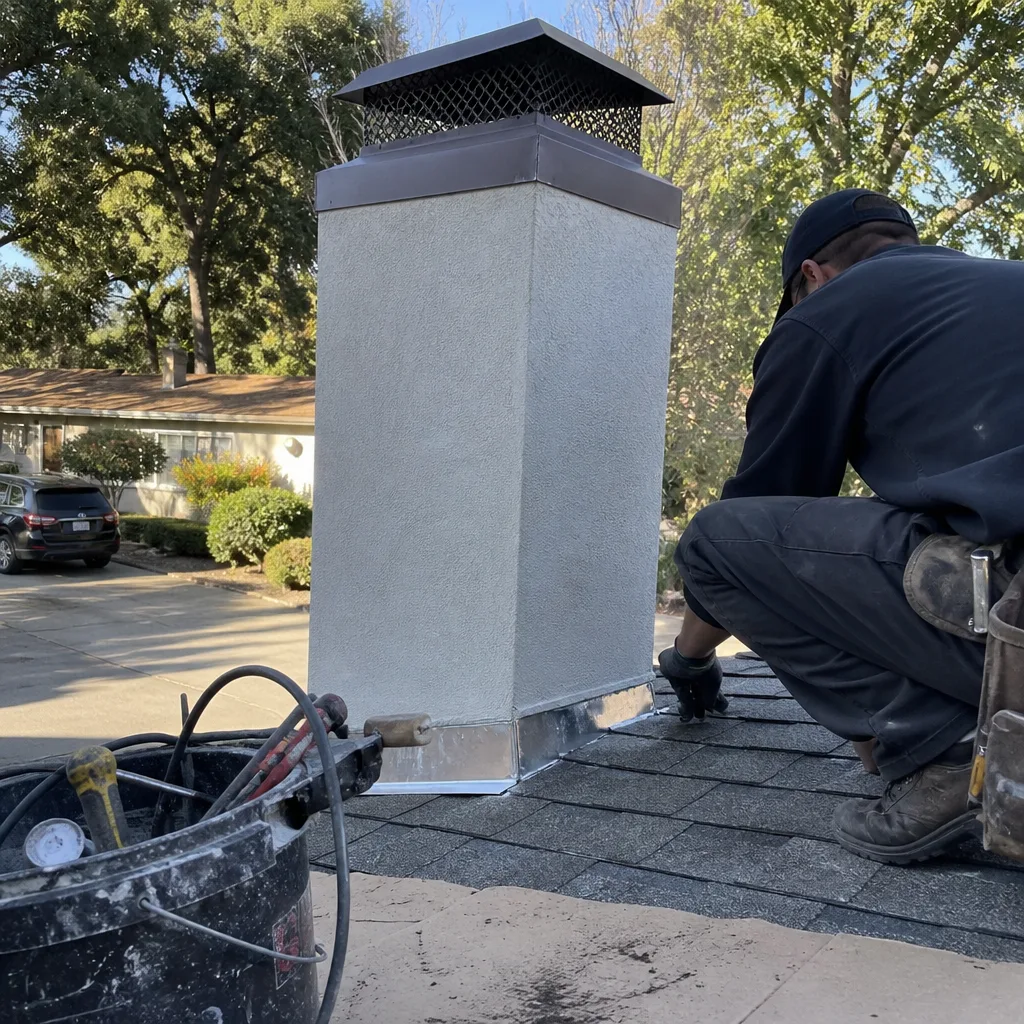 After
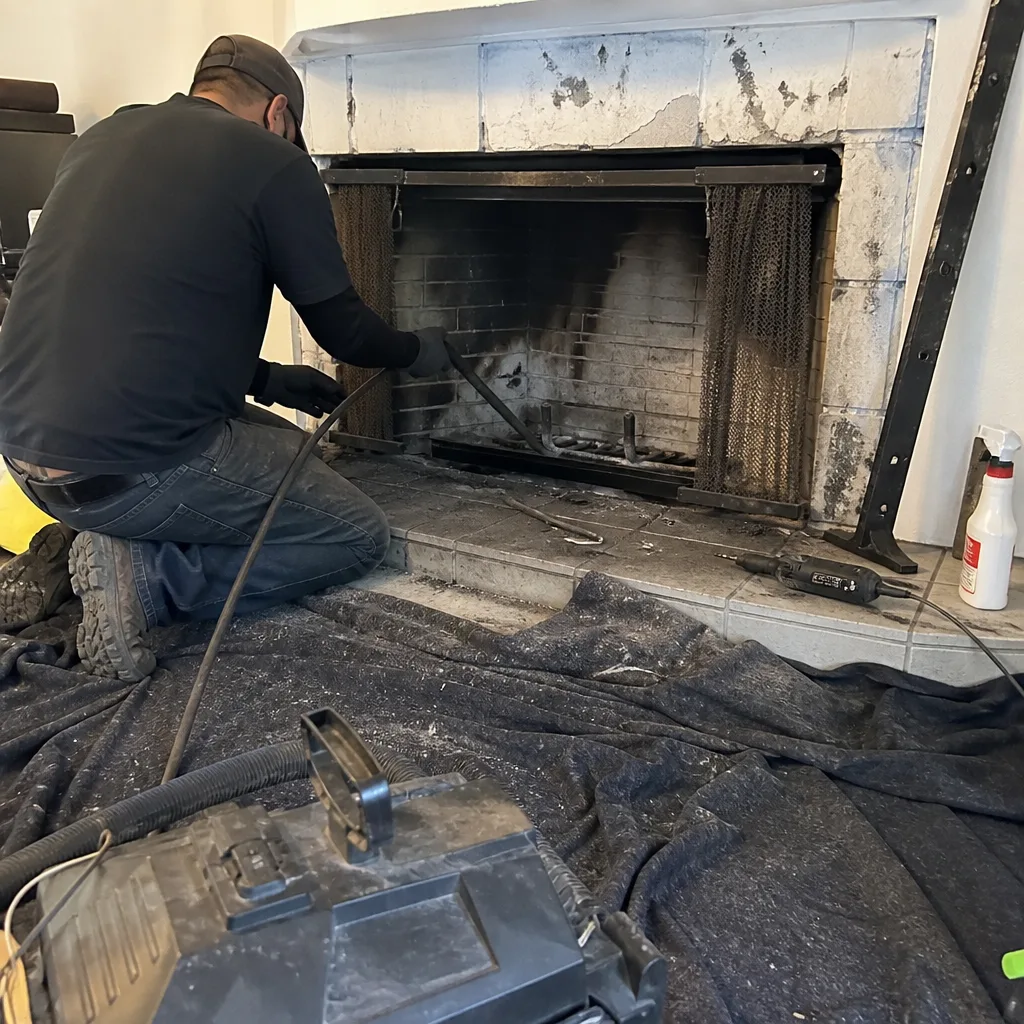 Before
 After
 Before
 After