
Last updated November 2, 2026
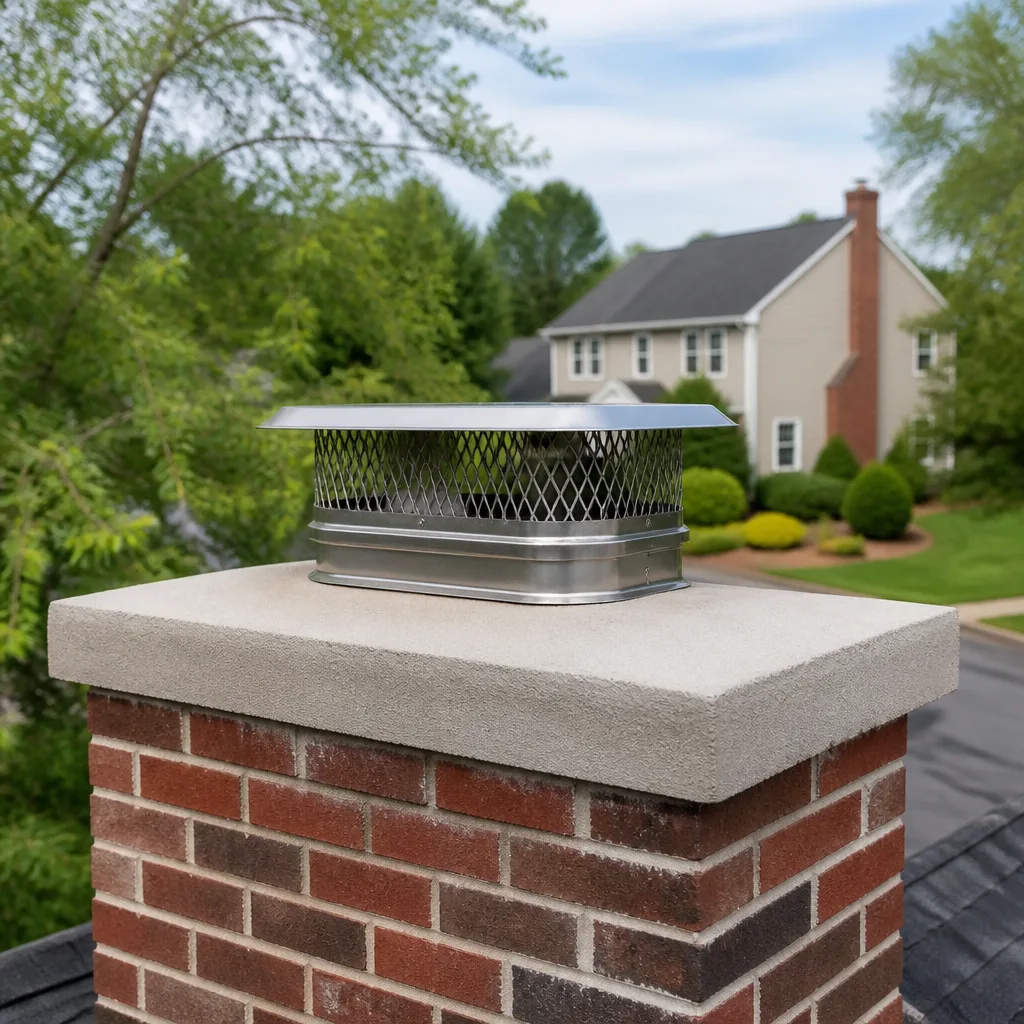 Sweep & inspection
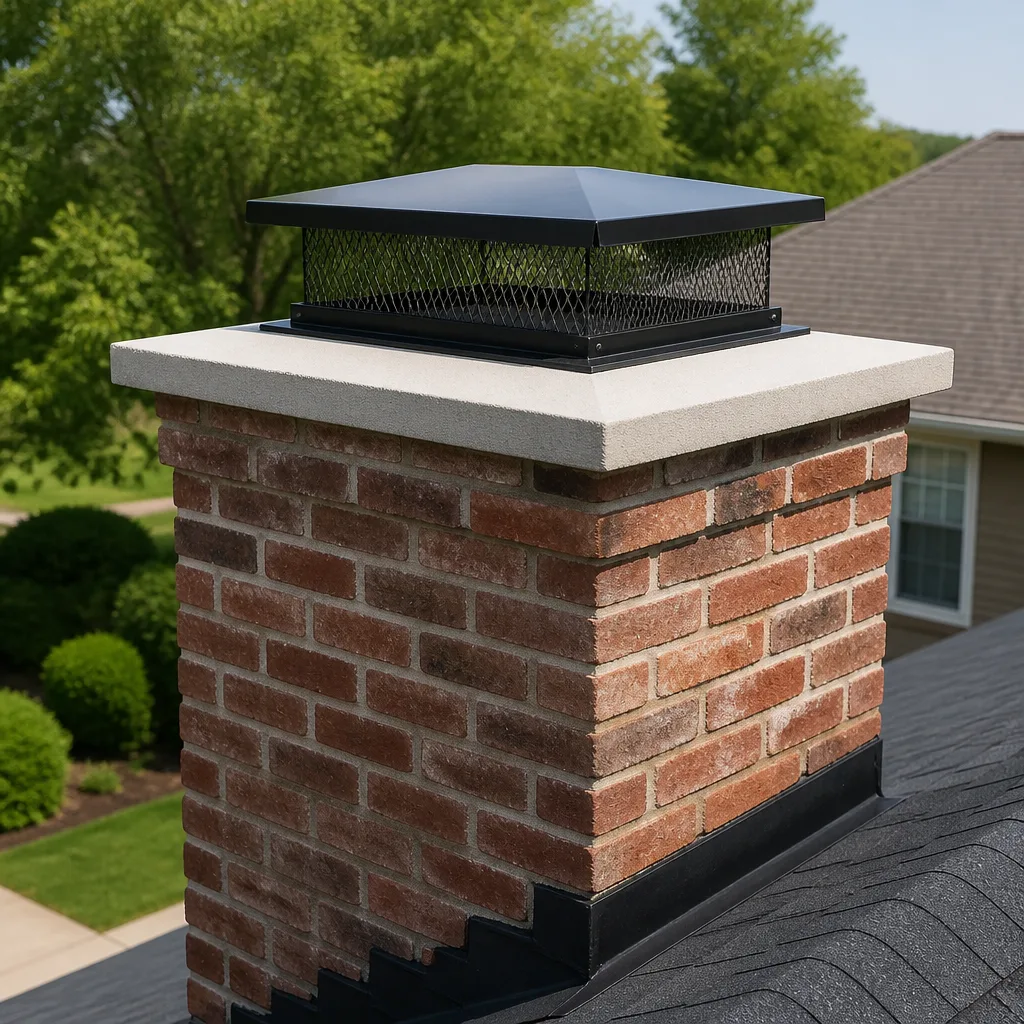 Caps & crowns
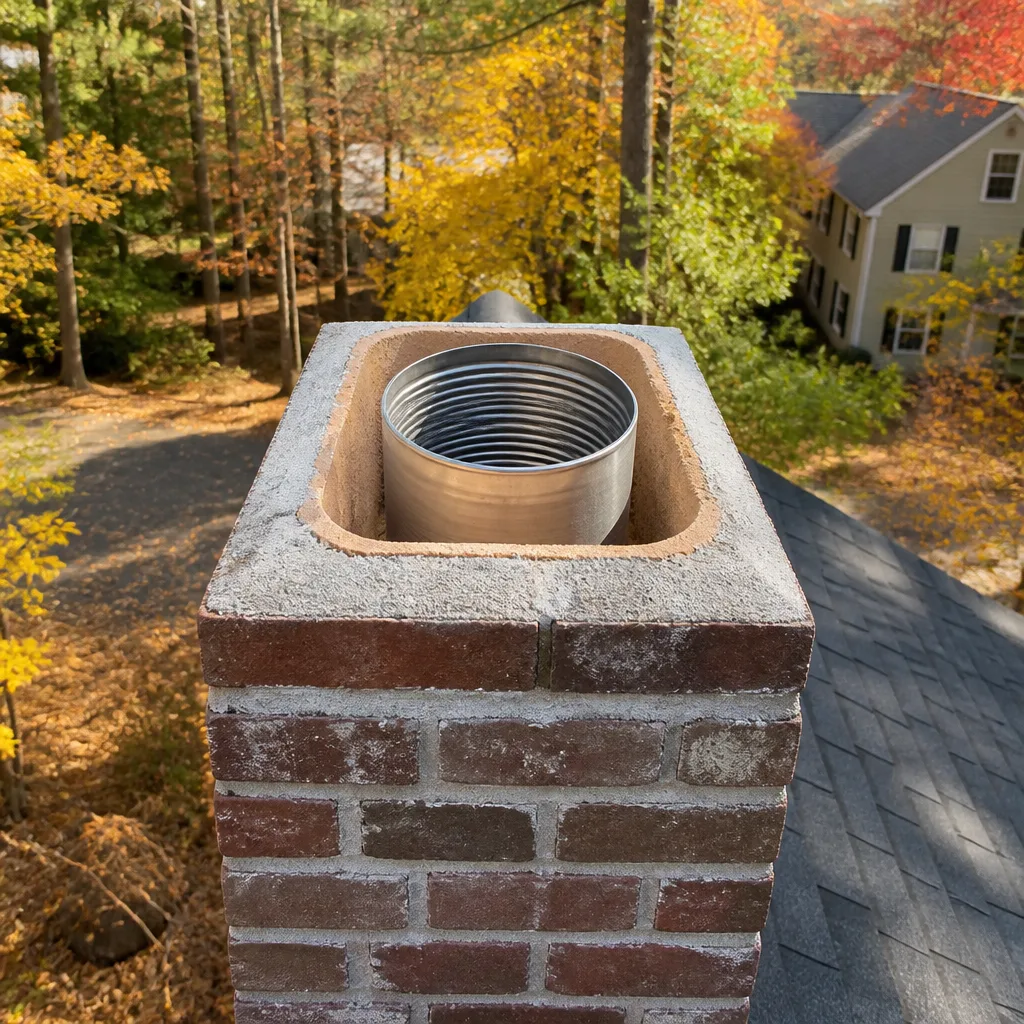 Flue relining
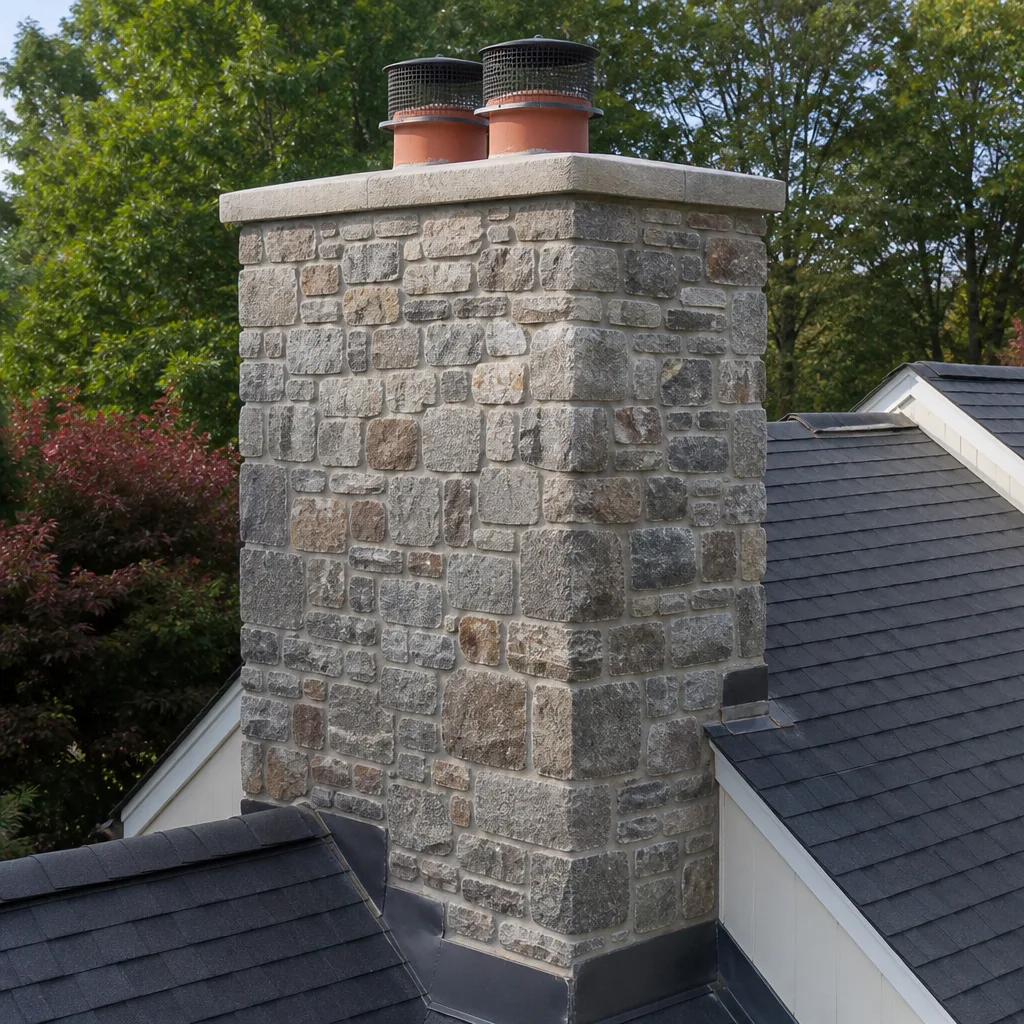 Masonry repair
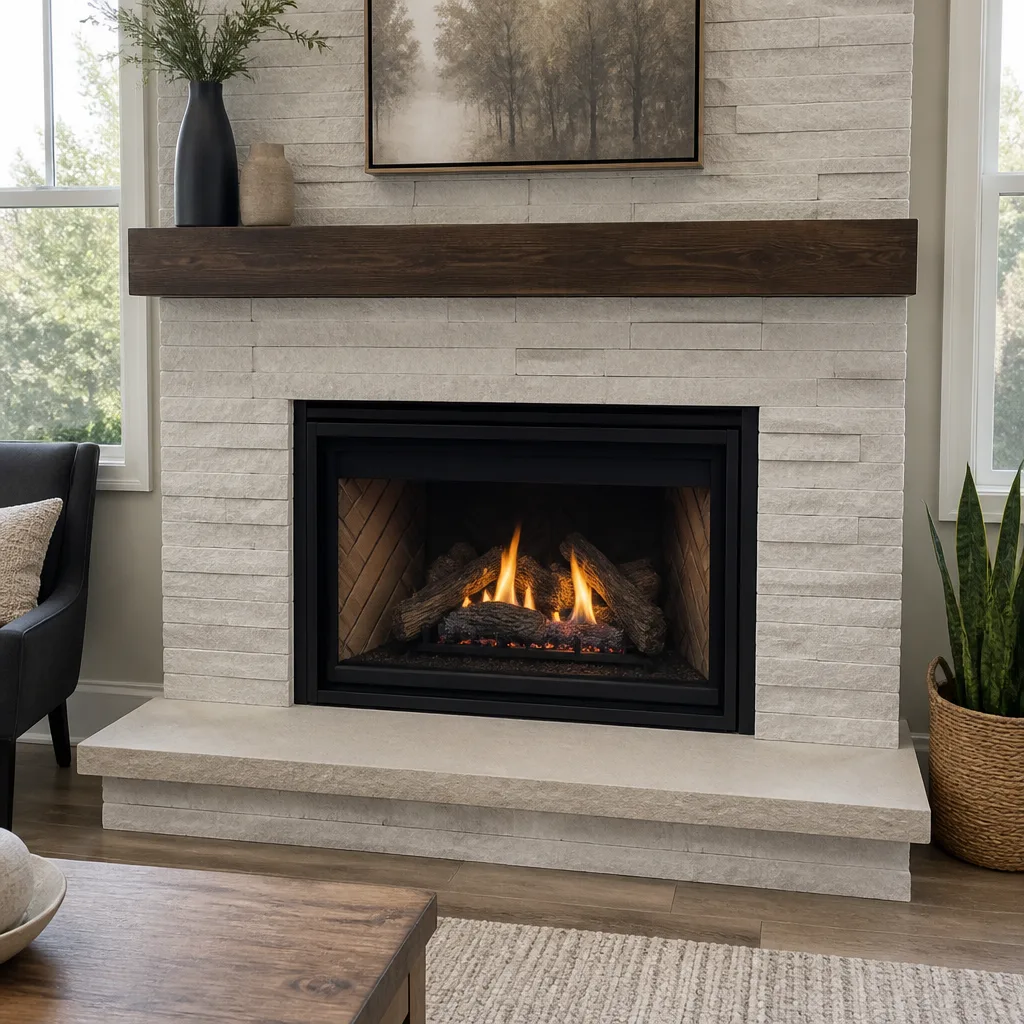 Gas fireplace service
Level 1 sweep and inspection to the NFPA 211 annual standard - flue, crown, cap, and flashing checked and photographed
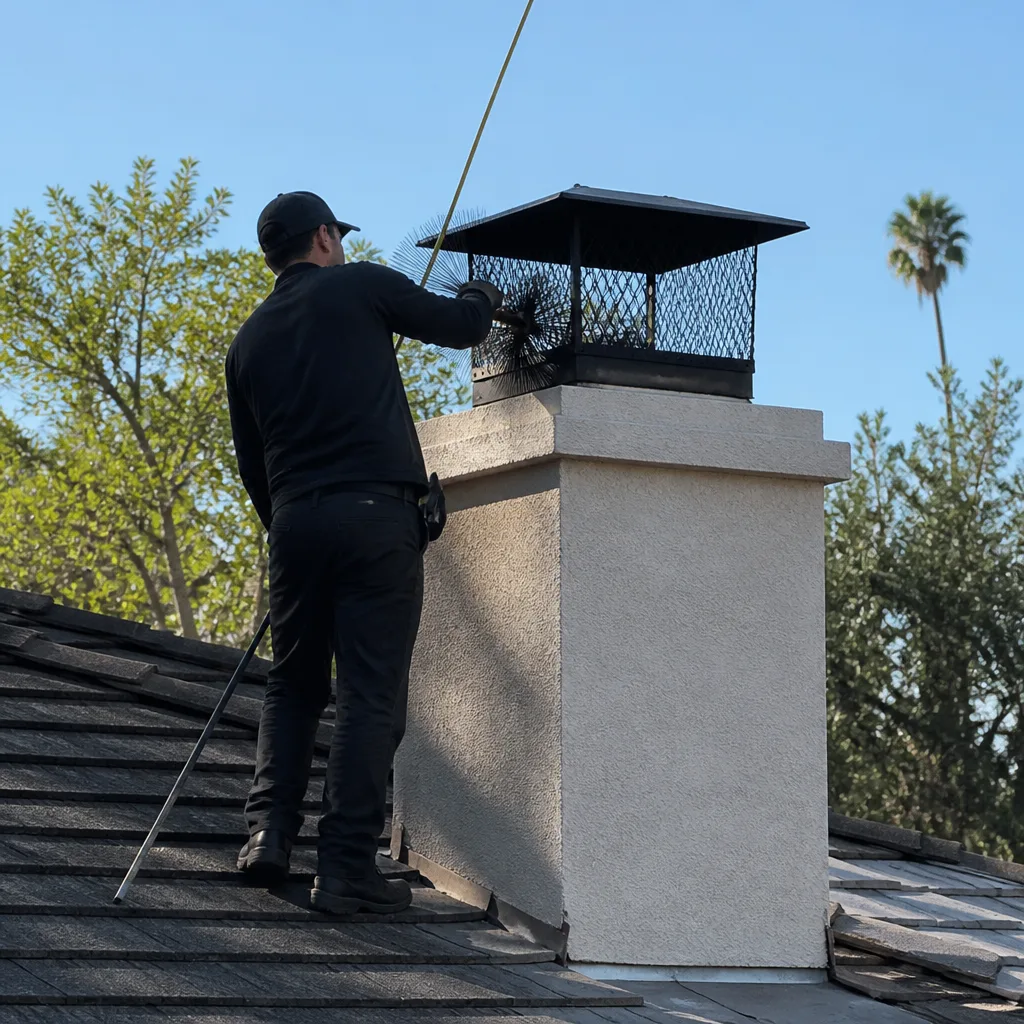
Chimney sweep logs do not sweep chimneys. They loosen some creosote - which then falls where a brush and vacuum still have to collect it.
Choosing the Right Chimney Cleaning Brand: A Buyer’s Guide for Del Paso Park
When you ask a chimney contractor what sealant they’ll use on your crown and they say “a good-quality crown coat,” that non-answer tells you something specific about how they think about materials, and it’s not reassuring. Most Del Paso Park homeowners shop for chimney services by comparing prices and availability, but the products a contractor specifies name-brand or generic are a more reliable predictor of what your flue will look like five years after the work is done. This guide explains the key product categories behind legitimate chimney cleaning and repair, which names signal trade-level workmanship, and the questions that separate a technician who knows fire-risk systems from someone who simply owns a brush.
Styles & brands we work with
- Sweep & inspection
- Caps & crowns
- Flue relining
- Masonry repair
- Gas fireplace service
Quick Answer
The right chimney cleaning brand for your Del Paso Park home depends on the product category: creosote treatments like ACS or Poultice Creosote Remover loosen stage 2 deposits for brushing, flue liner systems like HeatShield’s Cerfractory resurfacing repair damaged liners without full replacement, and crown sealants like CrownCoat need rated flexibility to survive Sacramento’s hot-dry summers and wet winters. A contractor who can name the specific products they use, including stainless steel alloy grades like 304 versus 316L, is signaling trade-level workmanship. Those who can’t name what goes into your chimney are often working with whatever was cheapest at the supply house that week.
Table of Contents
- The Product Categories Behind a Legitimate Chimney Cleaning
- Creosote Chemical Treatments: Looseners vs. Catalytic Converters
- Flue Liner Repair Systems and What HeatShield Actually Does
- Stainless Steel Liner Grades: 304 vs. 316L and Why Alloy Choice Matters
- Crown Sealants and Chimney Caps: The Weatherproofing Layer
- Three Product Questions to Ask Any Chimney Contractor
- Why Brand Specificity Matters for Warranty and Insurance
- Common Mistakes to Avoid
- When to Call a Professional
- Frequently Asked Questions
- The Bottom Line
The Product Categories Behind a Legitimate Chimney Cleaning
A chimney sweep isn’t just pushing a brush up a flue. The work splits into four product categories, and each one tells you something different about the contractor. In Del Paso Park, where wood-burning fireplaces are common in the older ranch homes east of the park and gas inserts dominate newer construction near the American River, the materials that go into a chimney directly affect how it performs through Sacramento’s temperature swings.
The first category is creosote chemical treatments. These loosen hardened deposits so a brush can remove them without damaging the liner. The second is flue liner repair systems, which address cracks, gaps, and deteriorating clay tiles. The third is crown sealants, the flexible membrane that keeps water out of the chimney’s top. The fourth is chimney caps, the metal assemblies that keep rain, animals, and debris from entering the flue.
Here’s what matters: a contractor who works with named brands in each category is making a statement about their supply chain. They’re buying from professional channels, not picking whatever generic tube is on the shelf at the local hardware store. That matters in Del Paso Park because our summer heat and winter rain cycles stress every component of a chimney system. Generic materials fail faster here, and the homeowner pays for the replacement.
We service chimneys throughout Del Paso Park, and the difference between a properly specified sealant and a generic one is visible within two or three winter seasons. Water intrusion starts small, then the freeze-thaw cycle widens the crack, and eventually the crown needs full reconstruction instead of a reseal. You can learn more about the full scope of chimney sweep services to understand what a complete inspection covers.
Creosote Chemical Treatments: Looseners vs. Catalytic Converters
Creosote is the tar-like residue left when wood smoke condenses on a cooler flue surface. Stage 1 is a light dusting. Stage 2 is a shiny, hardened glaze, and Stage 3 is a thick, baked-on deposit that resembles road tar. Stage 2 and 3 deposits are where chimney fires start, and they’re also where the right chemical treatment makes the difference between a clean flue and a partially cleaned one that still carries risk.
There are two fundamentally different chemical approaches. Loosening agents soften creosote so the mechanical brush can pull it free. Products like ACS liquid creosote remover and Poultice Creosote Remover fall into this category. The chemical penetrates the hardened layer, breaks its bond with the flue wall, and the sweep’s brush does the physical removal. This is the standard professional approach for stage 2 deposits.
Catalytic converters work differently. They change the chemical structure of the creosote itself, turning the volatile compounds into a less flammable ash that can be brushed away with less effort. The distinction matters because a catalytic treatment used on stage 1 creosote might be overkill, while a simple loosener on stage 3 may not penetrate deeply enough. A technician who can explain which approach fits your specific deposit level is telling you they actually inspected the flue rather than guessing.
In Del Paso Park, where many homeowners burn oak and almond from local sources, we typically see stage 2 deposits in chimneys that haven’t been swept in more than two years. The right treatment for that condition is usually a loosener followed by mechanical brushing. The wrong one, or skipping the chemical altogether, leaves a residue that builds faster in the next burn season. Homeowners who want to understand the full cleaning process can review our Chimney Sweep Del Paso Park home guide to see what a complete service call involves.
Flue Liner Repair Systems and What HeatShield Actually Does
Flue liners fail in predictable ways. Clay tile liners crack under thermal stress. The mortar joints between tiles erode from acidic condensation. Metal liners develop pinholes. When that happens, the flue is no longer containing combustion products properly, and hot gases can reach combustible framing around the chimney chase.
Historically, fixing a damaged liner meant one thing: removing the old liner and installing a new stainless steel one. That’s still the right solution for severe damage, but it’s expensive and invasive. HeatShield introduced a different approach with their Cerfractory flue liner resurfacing system. The product is a specially formulated sealant that’s applied to the interior of the damaged flue, filling cracks, gaps, and deteriorated joints to restore a continuous, insulated surface.
What makes HeatShield legitimate is the manufacturer support behind it. It’s not a random refractory cement slapped on with a trowel. It’s a system with specific application protocols, trained installers, and a manufacturer warranty that only applies when documented professionals do the work. That last point matters a lot for Del Paso Park homeowners: a warranty that requires professional installation is a warranty the manufacturer actually stands behind.
Not every damaged liner is a candidate for resurfacing. Severe cracking, collapsed tiles, or liners with structural instability usually need full replacement. A contractor who offers HeatShield as one option and full stainless replacement as another is giving you an honest assessment. One who pushes resurfacing regardless of condition is selling you a product, not a solution. The evaluation starts with a camera inspection, and we cover that process in detail in our Chimney Repair in Del Paso Park guide.
Stainless Steel Liner Grades: 304 vs. 316L and Why Alloy Choice Matters
When a full liner replacement is required, the alloy grade of the stainless steel is the single most important specification. This is where generic contractors reveal themselves quickly: ask what alloy they’re installing, and if they can’t answer, you’re not getting a specified product.
304 stainless steel is the standard grade for most wood-burning applications. It handles the temperatures involved and resists the acidic byproducts of wood combustion well enough for typical seasonal use. It’s also less expensive, which makes it the right specification for most Del Paso Park homes with wood-burning fireplaces used recreationally.
316L stainless steel adds molybdenum, which dramatically improves corrosion resistance against chlorides and acids. It’s the required grade for gas appliances because natural gas combustion produces acidic condensate that attacks 304 over time. It’s also the correct choice for wood-burning stoves that see heavy daily use, especially in homes burning wood with higher moisture content or treated lumber, which produces more aggressive creosote.
The alloy distinction isn’t academic. A 304 liner installed in a gas fireplace will show corrosion inside its first decade. A 316L liner installed in a wood-burning fireplace used occasionally is arguably overspending. The right contractor specifies the alloy based on your fuel type and burn pattern, not on what they happen to have in the truck. Major manufacturers like DuraFlex and Copperfield offer both grades, and a contractor who works with those product families can order the correct spec for your application.
Del Paso Park has a mix of fuel types across its neighborhoods. Older homes along Rio Linda Boulevard skew wood-burning. Newer construction near the park’s north edge has a higher percentage of gas inserts. The alloy question matters differently for each, and it’s one of the first things we assess during an inspection.
Crown Sealants and Chimney Caps: The Weatherproofing Layer
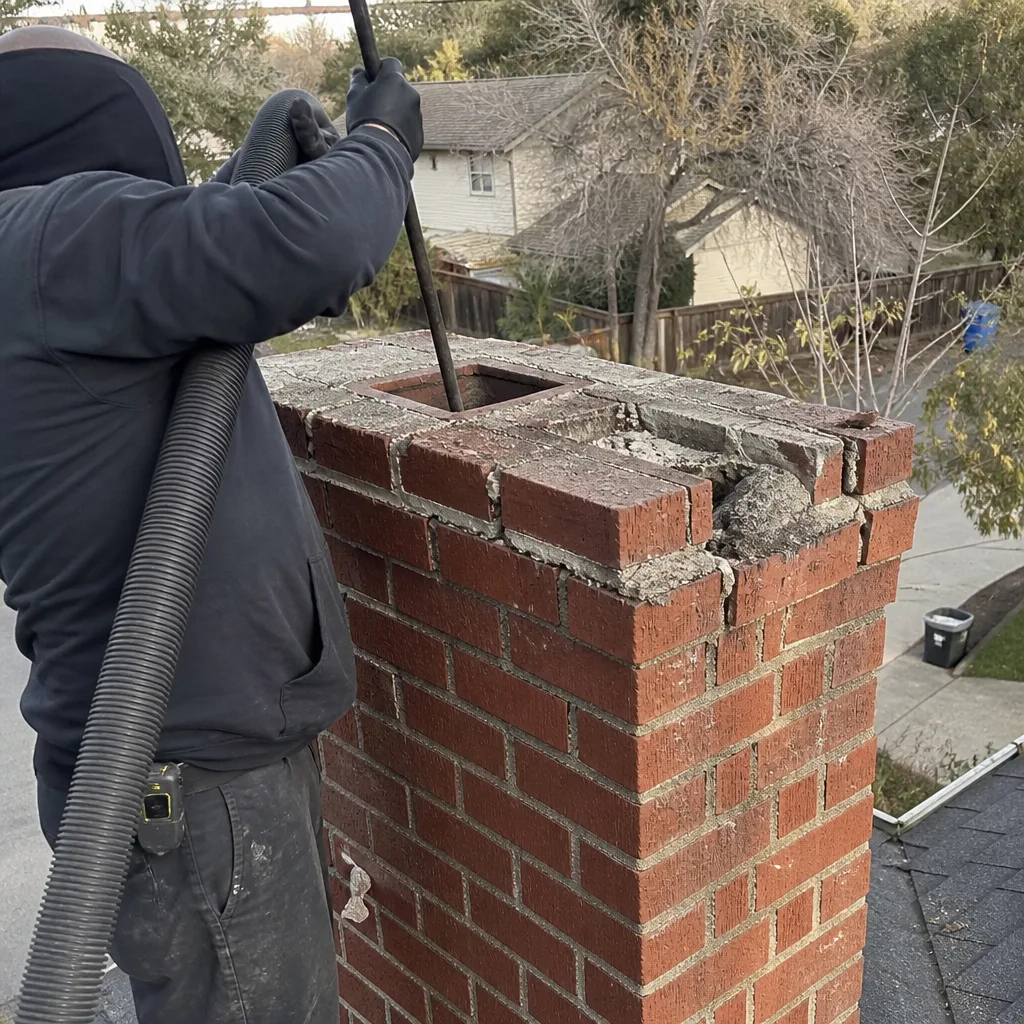
The crown is the concrete or mortar slab at the top of the chimney, and it’s the most common entry point for water in Sacramento’s climate. Our winters bring concentrated rain, our summers bring temperatures over 100 degrees, and that thermal cycling causes crowns to crack. Once cracked, water seeps in, reaches the flue, and starts a cascade of damage that eventually requires the kind of structural repair nobody wants to budget for.
Crown sealants like CrownCoat are specifically formulated for this application. They’re elastomeric, meaning they keep flexibility after curing, so the sealant stretches as the crown expands and contracts through Del Paso Park’s seasonal temperature swings. A generic roof sealant or silicone caulk does not have that flexibility rating, which is why it fails within a year or two of application.
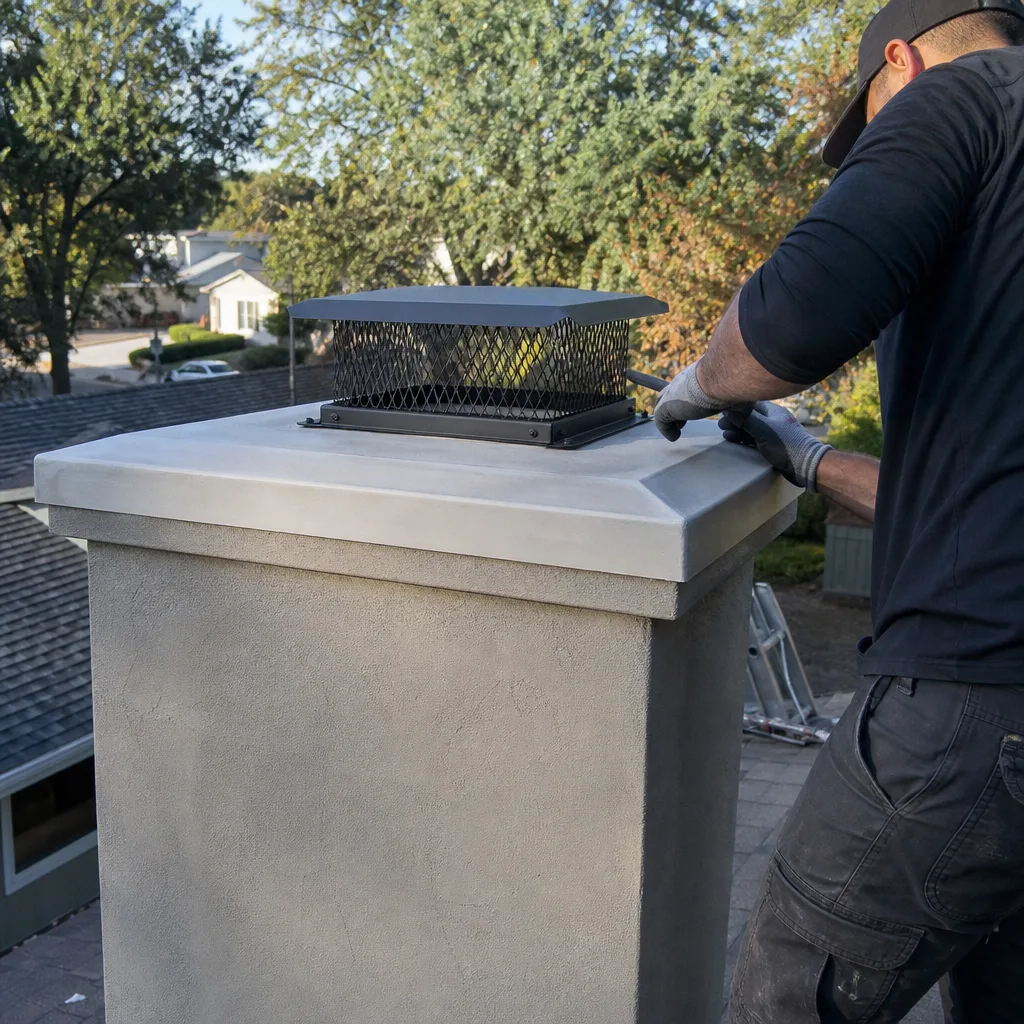
Chimney caps are the other half of the weatherproofing system. Brands like Gelco and Rockford make stainless steel and copper assemblies that fit over the flue opening, keeping rain, leaves, and animals out while still allowing proper draft. The fit matters more than the brand name: a properly sized cap with the right screen mesh keeps embers from escaping while preventing bird and squirrel intrusion. In Del Paso Park, we see raccoon and squirrel activity around chimneys throughout the year, and a quality cap is the difference between a quiet winter and an animal in your flue.
The crown sealant and cap work as a system. A failed crown seal will still let water in even with a quality cap, and a missing cap exposes the flue to debris even with a sealed crown. Both products need specification, not guesswork. See our Dryer Vent Cleaning in Del Paso Park page for how we think about the parallel ventilation system in your home.
Three Product Questions to Ask Any Chimney Contractor
You don’t need to become a materials scientist to evaluate a chimney contractor. Three questions get you most of the way there, and a contractor who answers all three comfortably is almost certainly working at the professional tier.
- What brush material will you use, and is it appropriate for my liner type? Polypropylene brushes are the standard for stainless steel liners because they’re soft enough to clean without scratching. Wire brushes are appropriate for clay tile liners but can damage metal. A contractor who doesn’t know what kind of liner you have, or who uses the same brush for every job, isn’t doing a specified cleaning.
- What crown sealant do you use, and what’s its flexibility rating? The answer should be a named product like CrownCoat or an equivalent elastomeric sealant with a stated flexibility percentage. “Good-quality waterproofing” is not an answer. The flexibility rating is what keeps the seal intact through Del Paso Park’s thermal swings.
- Is your vacuum HEPA-rated? A proper chimney cleaning produces fine particulate that should never enter your living space. HEPA-rated vacuums capture particulates down to 0.3 microns. A contractor who says “we use a shop vac” is telling you they’re not investing in proper containment equipment.
We ask ourselves these same questions before every job in Del Paso Park, and the answers are consistent because our equipment and material specifications don’t change based on the client or the season.
Why Brand Specificity Matters for Warranty and Insurance
Manufacturer warranties on professional chimney products almost universally require documented installation by trained professionals. HeatShield’s warranty only applies when a certified installer performs the resurfacing and submits the proper documentation. DuraFlex and Copperfield liner warranties require the liner to be installed according to their specifications, which is verified through the contractor’s documentation.
Generic materials don’t carry these warranties because the manufacturers know their product performance depends on installation quality. A $90 tube of unbranded sealant from a supply house carries no manufacturer backing because the product itself is the weakest variable. That’s not a coincidence of economics; it’s a reflection of how the professional supply chain works.
Insurance implications run parallel. If a chimney fire or structural failure traces back to material failure, the homeowner’s insurance claim often hinges on whether professionally specified materials were used. An insurance adjuster who sees a documented HeatShield resurfacing or a 316L liner specified for a gas appliance has a different conversation with the homeowner than one who sees “various materials” on an invoice.
For Del Paso Park homeowners, this matters because our local building department requires permits for structural chimney work, and permit applications require material specifications. A contractor who can produce them keeps the permitting process clean. One who can’t is creating a liability for everyone involved.
Common Mistakes to Avoid
- Hiring on price before asking about materials. A lower quote often reflects cheaper inputs: generic sealants, unspecified liner grades, and non-HEPA vacuums. The savings disappear when the materials fail early and the work needs redoing.
- Assuming a clean chimney is a safe chimney. A sweep removes creosote but doesn’t address cracked liners, failed crowns, or missing caps. In Del Paso Park’s wet winters, a cleaned but unsealed chimney still takes on water, which creates new safety issues within a season.
- Accepting “we use professional-grade products” without brand names. That phrase is a non-statement. Ask for names. A contractor who works with DuraFlex, HeatShield, or Copperfield will tell you immediately because those relationships signal their workmanship to serious customers.
- Treating dryer vents as an afterthought. Lint buildup in dryer venting is the leading cause of dryer fires per NFPA documentation, and Clogged dryer vents in Del Paso Park homes with long vertical runs through attics or crawl spaces need annual cleaning attention separate from chimney maintenance.
- Skipping the camera inspection. If a contractor quotes a repair without first doing a camera inspection of the flue, they’re guessing. Proper repair evaluation requires visual confirmation of the liner’s condition, and any legitimate contractor includes the camera work as part of the assessment.
- Choosing a sweep-only contractor for a house that might need repairs. If the inspection turns up liner damage, crown failure, or a rusted cap, a sweep-only company hands you a referral and leaves. You’re now paying for a second contractor relationship and losing the continuity of someone who already knows your system.
When to Call a Professional
If you’ve never had your chimney camera-inspected, schedule one before the next burn season. If you see white staining on the exterior brick (efflorescence), that’s water inside the masonry finding its way out, and it signals crown or cap failure. If you smell a smoky odor in the house on windy days, the cap or damper isn’t functioning properly. If your dryer takes longer than 45 minutes to dry a load, the vent is building lint restriction. None of these are DIY repairs; they’re diagnostics that lead to specific, named-material solutions. Chimney Sweep Del Paso Park offers free estimates in Del Paso Park, call (855) 341-8804 to schedule an inspection.
Frequently Asked Questions
A standard chimney sweeping in Del Paso Park typically ranges from $180 to $340 depending on the flue type, accessibility, and creosote stage. Gas fireplace cleanings run lower, while heavy stage 2 or stage 3 creosote removal costs more because it requires chemical treatment and longer mechanical work. Call (855) 341-8804 for an exact quote, estimates are free.
A HeatShield resurfacing can restore a cracked or deteriorated liner when the structural integrity is still intact, typically costing far less than a full stainless replacement. Full replacement is necessary when tiles are collapsed, the liner is too damaged to hold a sealant application, or the flue needs reconfiguration for a new appliance. The only way to determine which path is right is with a camera inspection, and a legitimate contractor will show you the footage so you can see the condition for yourself before approving any work.
Creosote builds up in layers, and stage 2 and 3 deposits become flammable enough to ignite a chimney fire that can reach 2000 degrees Fahrenheit inside the flue. Even without a fire, the acidic condensation from wood smoke attacks the liner and mortar joints over time, creating structural damage that costs more to repair than regular cleanings would have prevented. In Del Paso Park’s older homes, deferred maintenance is the most common reason we see full liner replacements rather than simple resurfacing. Call (855) 341-8804 to schedule an inspection before the next burn season.
The National Fire Protection Association recommends annual inspection and cleaning when creosote reaches 1/8 inch of buildup, which for most Del Paso Park homes that burn recreationally means every one to two years. Homes that burn daily or burn unseasoned wood need more frequent attention because creosote accumulates faster. Dryer vents should be cleaned annually regardless of usage patterns.
Brand names in chimney products are about supply chain, not marketing. Products like HeatShield resurfacing compound, CrownCoat sealant, and DuraFlex stainless liners are available only through professional channels and are specified by manufacturers who stand behind their performance with documented warranties. Generic alternatives are often the same material class but lack the quality control and installation standards that make the branded products reliable over time.
Yes, when the repair work is within the scope of the inspection findings. A standard sweeping that uncovers a cracked crown or minor liner damage can often include the repairable items in the same service call because the technician already has the equipment and access. More extensive repairs like full liner replacement or crown reconstruction require separate scheduling but not a separate contractor relationship. That’s the difference between a Chimney Repair in Del Paso Park specialist and a sweep-only company.
The Bottom Line
The products a chimney contractor uses are a reliable proxy for the quality of the work itself. Contractors who specify industry-recognized names like HeatShield, DuraFlex, Copperfield, and CrownCoat are working at the professional tier, and their material choices are backed by manufacturer warranties that require documented installation. In Del Paso Park’s climate, with its hot dry summers and concentrated winter rain, the difference between specified and generic materials shows up within a few seasons. Ask the three product questions, demand a camera inspection, and choose a contractor who can name what goes into your chimney. The alternative is paying twice.
Written by the team at Chimney Sweep Del Paso Park, serving Del Paso Park since 2014.
See the difference
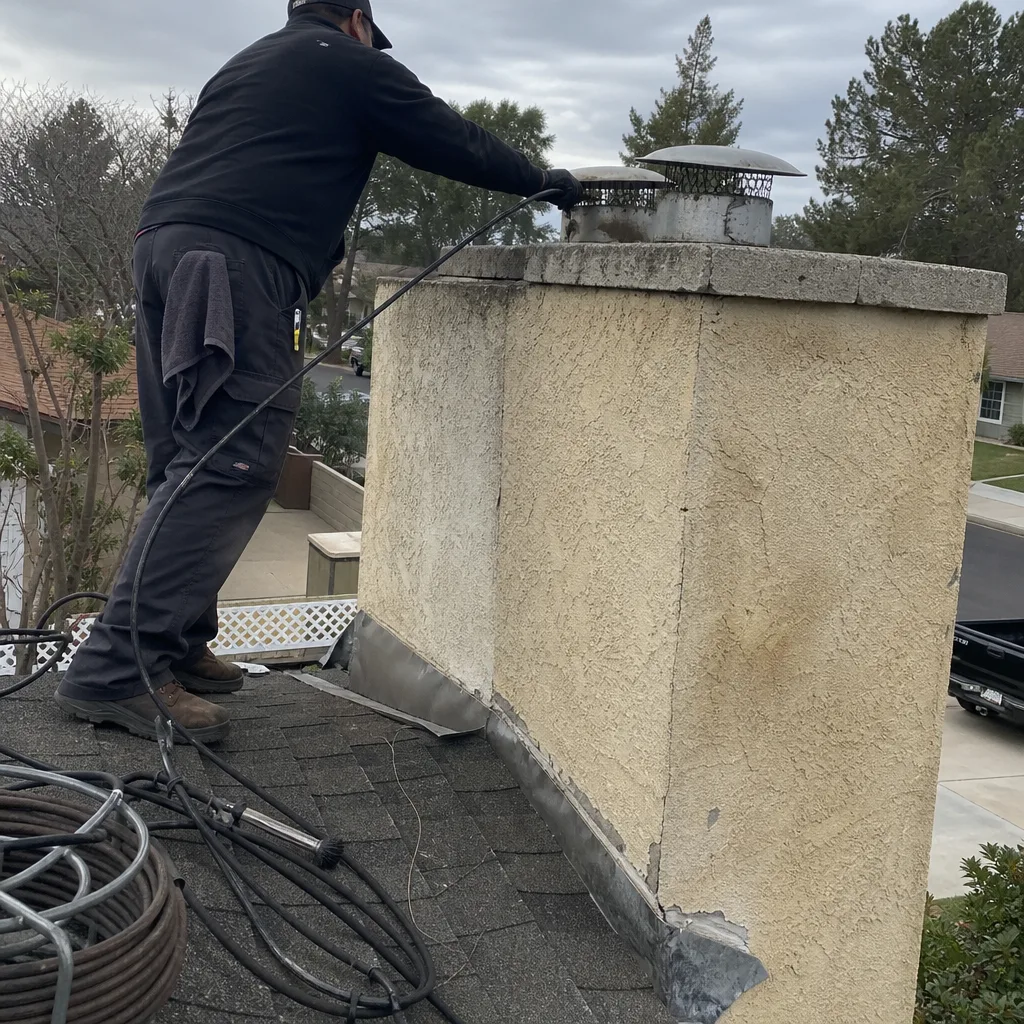 Before
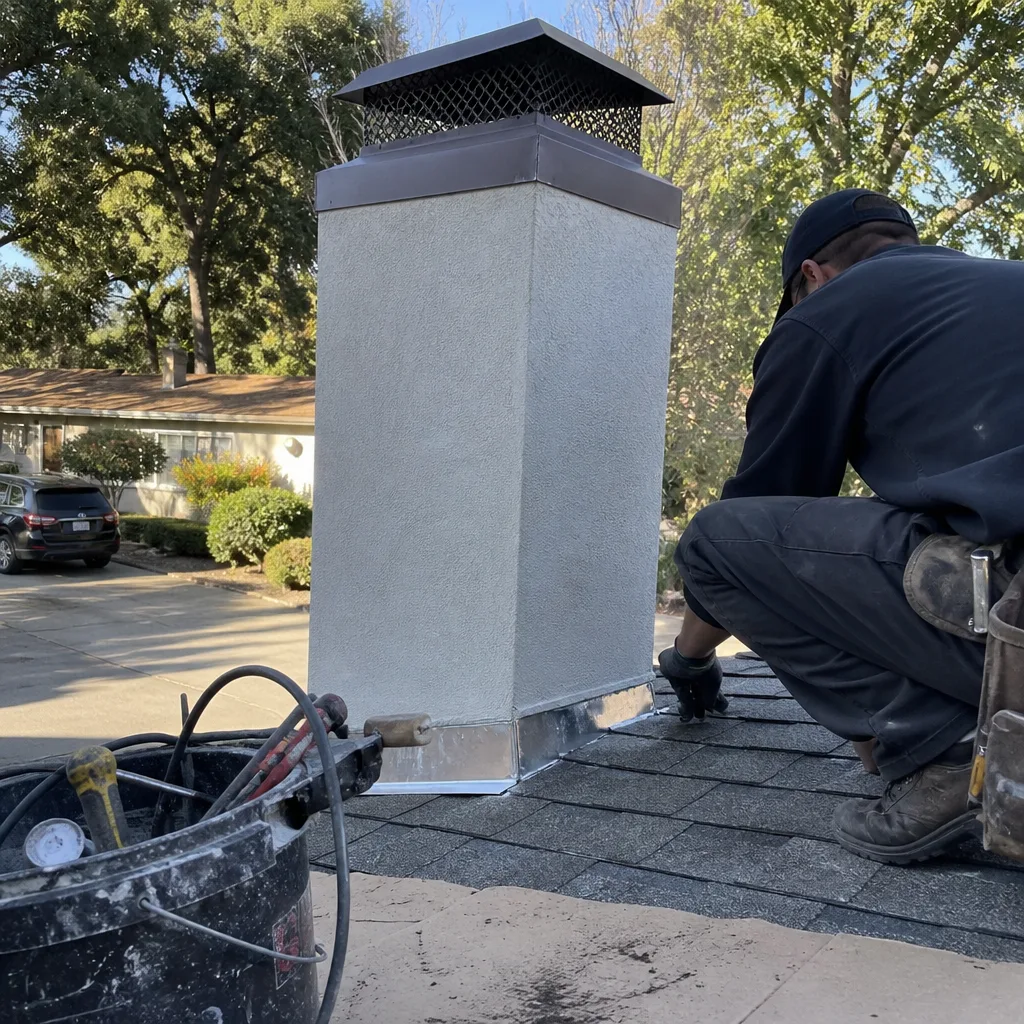 After
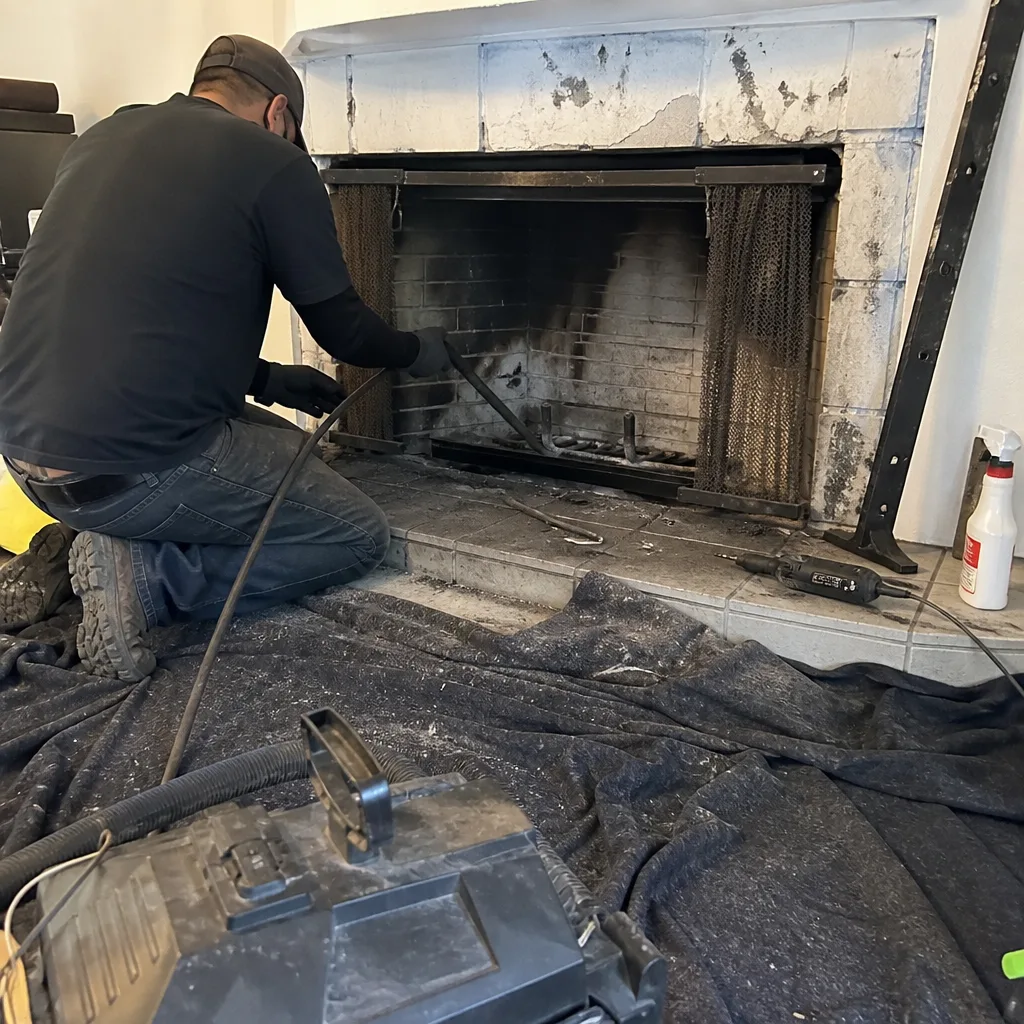 Before
 After
 Before
 After