
Last updated November 2, 2026
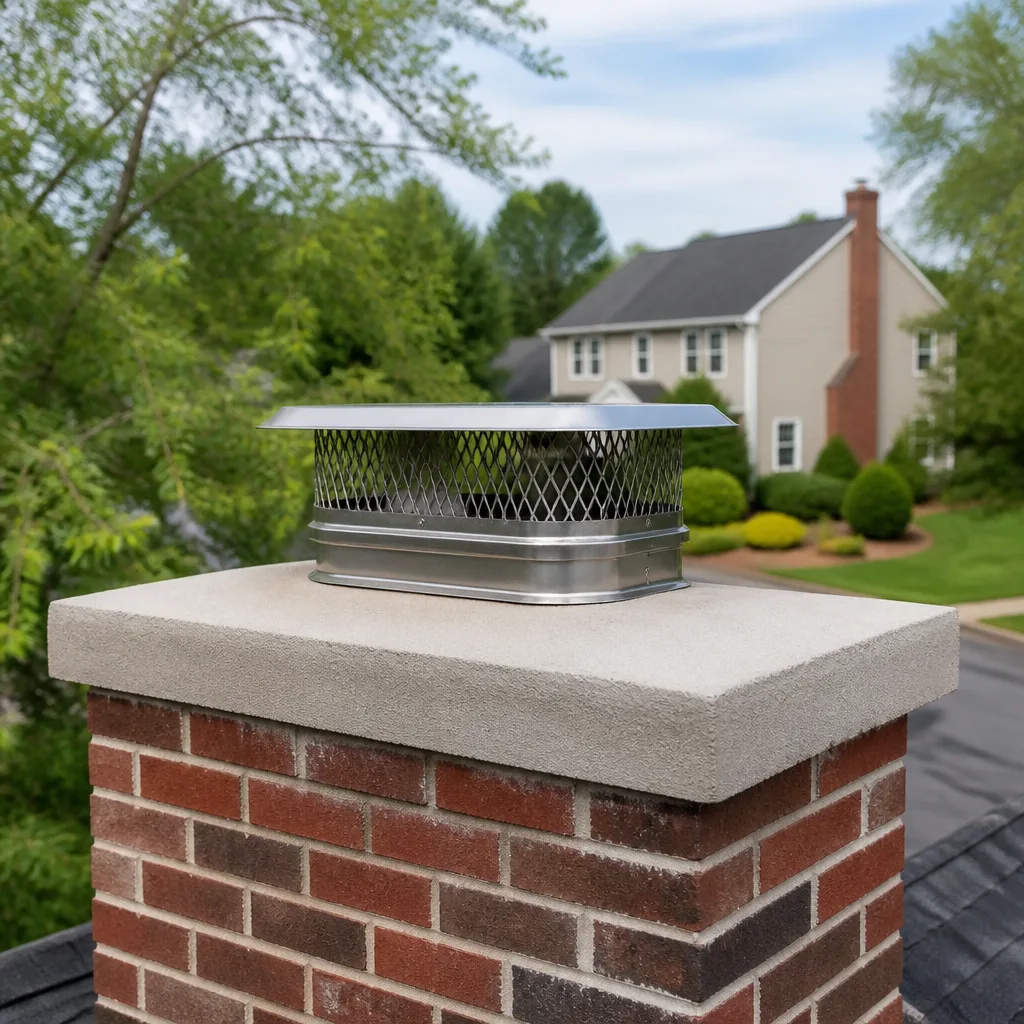 Sweep & inspection
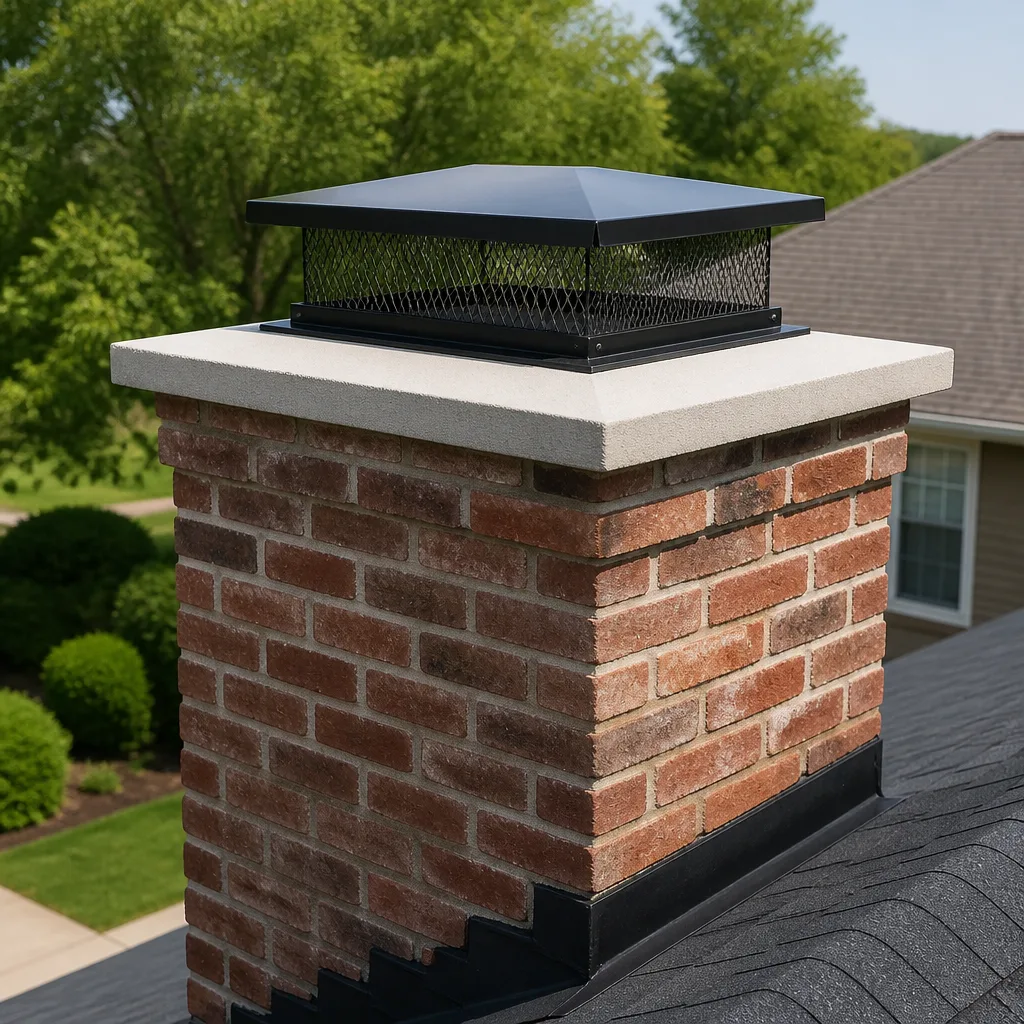 Caps & crowns
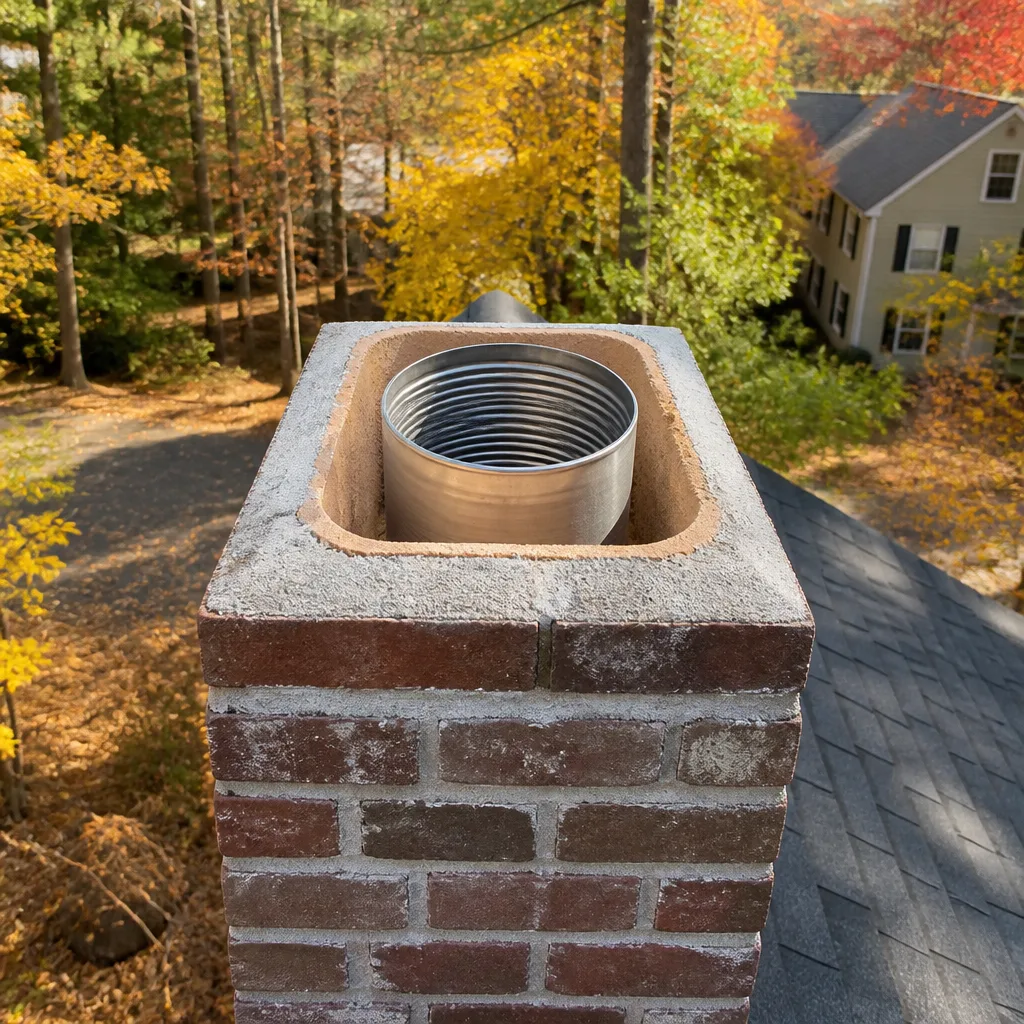 Flue relining
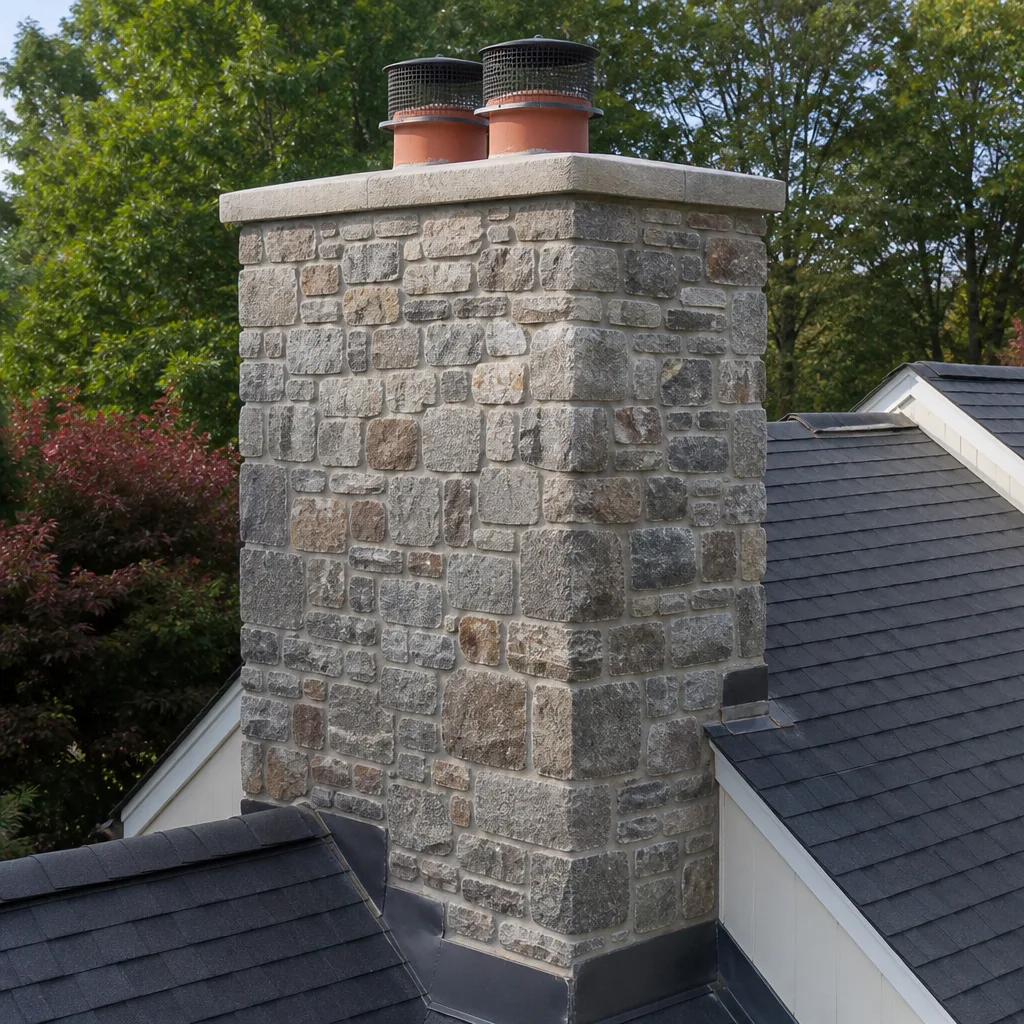 Masonry repair
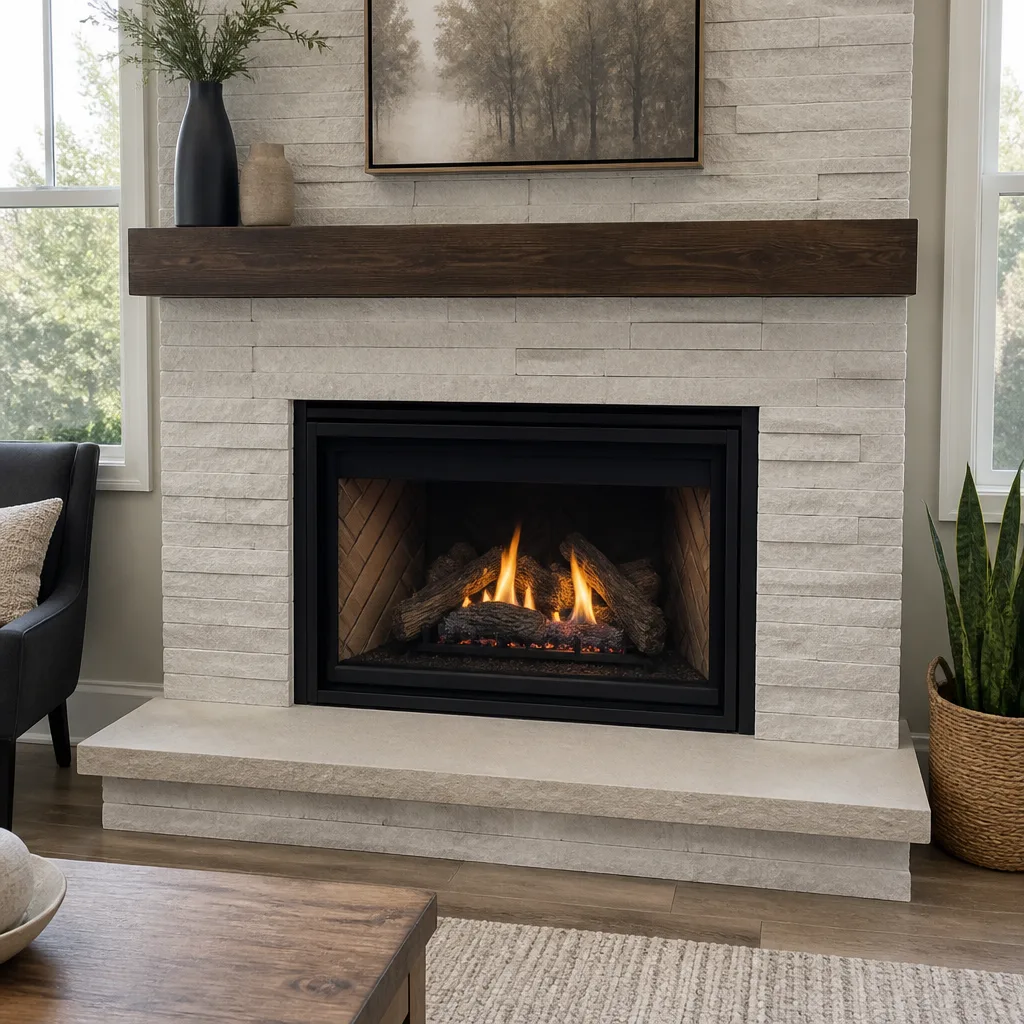 Gas fireplace service
Level 1 sweep and inspection to the NFPA 211 annual standard - flue, crown, cap, and flashing checked and photographed
Chimney sweep logs do not sweep chimneys. They loosen some creosote - which then falls where a brush and vacuum still have to collect it.
Chimney Cleaning Warning Signs: A Del Paso Park Homeowner’s Reference Guide
A strong campfire smell in a room where no fire has been burning in three days is not your imagination, and it’s not just a leftover scent. That odor is stage 2 or 3 creosote off-gassing through mortar joint cracks inside your flue. In Del Paso Park, where winter nights dip into the 30s and fireplaces run for months, homeowners routinely miss warning signs that would take a trained technician about ninety seconds to identify. This guide describes each sign in physical, observable terms: what you see, what you smell, what you hear, and what each finding means for the safety of your home.
Quick Answer
Most chimney warning signs are visible, smellable, or audible from inside your home long before they become dangerous. The most common signs in Del Paso Park homes include a campfire-like smell days after the last fire, dark flaky residue falling into the firebox, smoke pushing into the room during the first five minutes of a fire, white mineral staining on the exterior chimney, and a dryer that suddenly needs two full cycles to dry clothes. Any one of these means schedule an inspection. More than one means stop using the fireplace or dryer vent until a technician has looked at it. For a full walkthrough of what to check, see our Chimney Sweep Maintenance Checklist for Del Paso Park Homeowners.
Styles & brands we work with
- Sweep & inspection
- Caps & crowns
- Flue relining
- Masonry repair
- Gas fireplace service
Table of Contents
- What Stage 2 Creosote Actually Smells Like
- What You See Inside the Firebox: Flakes, Dust, and Dark Glass
- Smoke Behavior That Points to a Problem
- Exterior Warning Signs: Efflorescence, Rust, and Crown Deterioration
- Dryer Vent Warning Signs: A Separate Fire System
- Triage Table: Signs, Causes, and Urgency
- Common Mistakes to Avoid
- When to Call a Professional
- Frequently Asked Questions
What Stage 2 Creosote Actually Smells Like
Creosote goes through three stages, and each one has a distinct smell. Stage 1 creosote is a fine, flaky soot that smells dusty and slightly charred. Stage 2 is a crunchy, tar-like glaze that forms when flue temperatures stay low. Stage 3 is a hardened, shiny tar that can look like black glass. Most Del Paso Park homeowners only notice the smell at stage 2 or 3 because that’s when creosote begins emitting a strong, persistent campfire odor even when the fireplace is cold.
The smell is most pronounced on humid days. Sacramento’s winter dampness saturates the creosote, releasing volatile compounds through any crack in the flue liner or mortar joint. That’s why you might smell it in an upstairs bedroom that shares a wall with the chimney chase, or in a living room on a rainy Tuesday when the last fire was Saturday night. If you open the damper and the smell gets stronger, the creosote is coating the flue walls above the smoke shelf. If you close the damper and the smell fades, it’s still there, just throttled.
How to check for creosote odor without lighting a fire
- Wait at least 48 hours after the last fire, so the firebox has fully cooled.
- Sit in the room with the fireplace and note whether you notice the smell before you open the damper.
- Open the damper and wait 60 seconds. If the smell intensifies, the creosote layer is substantial enough to be off-gassing into the living space.
- Walk to the rooms directly above or adjacent to the fireplace. A smell that travels through walls or floors indicates cracks in the flue liner or failed mortar joints.
This is not a smell to live with. Stage 2 creosote ignites at around 800 degrees Fahrenheit. A chimney fire at that stage burns hot enough to crack flue tiles and warp metal dampers. In our experience working in Del Paso Park, homes built before 1990 are especially vulnerable because many original clay liners have hairline cracks that go unnoticed for decades. The campfire smell is the first sign that something structural is failing.
What You See Inside the Firebox: Flakes, Dust, and Dark Glass
Open the glass doors or fire screen and look at the floor of the firebox. In a healthy fireplace, you should see ash and maybe small bits of charred wood. In a fireplace with creosote buildup, you’ll see something different: dark, curled flakes that look like black potato chips, or a fine black dust that clings to the firebox walls. These flakes fall from the flue walls when creosote contracts as it cools.
The glass doors themselves tell a story. Fireplace glass that turns dark brown or hazy within a single burn cycle means the draft is poor and combustion is incomplete. That incomplete combustion produces more creosote than a clean-burning fire. If you’re cleaning the glass after every fire, the fireplace is telling you something about its airflow.
Spalled flue tile: what it looks like from the firebox floor
Spalling is what happens when flue tiles crack under heat stress or water intrusion, and small pieces break away. From the firebox floor, spalled tile looks like thin, curved shards of terracotta-colored clay mixed in with the ash. They’re usually between the size of a dime and a quarter, and they’ll have a slightly concave shape if you pick one up. Finding these shards means the flue liner is actively deteriorating. That’s not a cleaning problem. That’s a repair problem.
If you see clay shards in the firebox, stop using the fireplace. A damaged liner exposes combustible framing to flue gases that can exceed 1,000 degrees. The repair path involves either a stainless steel liner like DuraFlex installed by a chimney repair specialist, or a resurfacing system for less severe damage. Whatever the fix, it’s not something a sweep alone will solve.
Smoke Behavior That Points to a Problem
Smoke that pushes into the room within the first five minutes of lighting a fire, and then clears, is a specific diagnostic signal. It points to cold flue temperatures combined with restricted airflow. Cold air sits in the flue like a plug, and until the flue warms enough to create upward draft, the smoke takes the path of least resistance, which is into your living room. It happens more often in Del Paso Park on damp, overcast days because atmospheric pressure is lower and the temperature differential is smaller.
Smoke that continues to push into the room even after the fire is burning hot points to something else: an obstruction or a flue that is too small for the fireplace opening. Bird nests are common in Del Paso Park, especially in chimneys without a proper cap or with a damaged spark arrestor. Squirrels and starlings build nests in the smoke shelf area, and a nest the size of a shoebox reduces the flue opening by half or more. The smoke has nowhere to go but backward.
What to listen for
- A persistent scratching or chirping sound inside the chimney walls means an animal is in there now. Raccoons use chimney flues as den sites, and they’re strong enough to dislodge a loose damper.
- A dull thumping sound during windy weather often means the chimney cap or a section of chase top is loose and banging against the flue pipe.
- Dripping sounds inside the firebox during rain indicate water is entering through a cracked crown or failed cap. Water plus creosote creates an acidic slurry that eats mortar joints.
If you hear animals in the chimney, don’t attempt to smoke them out with a fire. That can kill the animal and create an odor problem that lasts for months, and a dead animal in a flue is a fire hazard if it dries out and ignites. Call a professional who can remove the animal humanely and fit the chimney with a properly sized cap.
Exterior Warning Signs: Efflorescence, Rust, and Crown Deterioration
The exterior of your chimney is a billboard for its internal condition. Walk outside and study the chimney from the ground with a pair of binoculars if you have them. Three visual signs tell you more than most homeowners expect.
Efflorescence is a white, chalky mineral staining on the brick or stone face of the chimney. It looks like salt residue. In Del Paso Park, you’ll see it most often on the lower third of the chimney, where ground moisture wicks upward, or on the sides that face the prevailing weather. Efflorescence means water is moving through the masonry. In a chimney, that water carries creosote residue into the brick, and over time, it degrades the mortar and spalls the brick face. If you see white staining, the chimney has a water entry problem that a cap or crown repair should address. For more on this, see our guide on chimney repair in Del Paso Park.
Rust streaks below the cap mean the metal components, usually the cap itself or the flashing at the roof line, are corroding. Rust streaks running down the brick from under the cap indicate the cap is past its useful life. The rust itself isn’t the danger, but it tells you that water has been entering around the cap for years. Where water goes, freeze-thaw damage follows. In Sacramento’s mild winter climate, freeze-thaw damage is less severe than in mountain towns, but it still happens on north-facing chimney faces that never get direct sun.
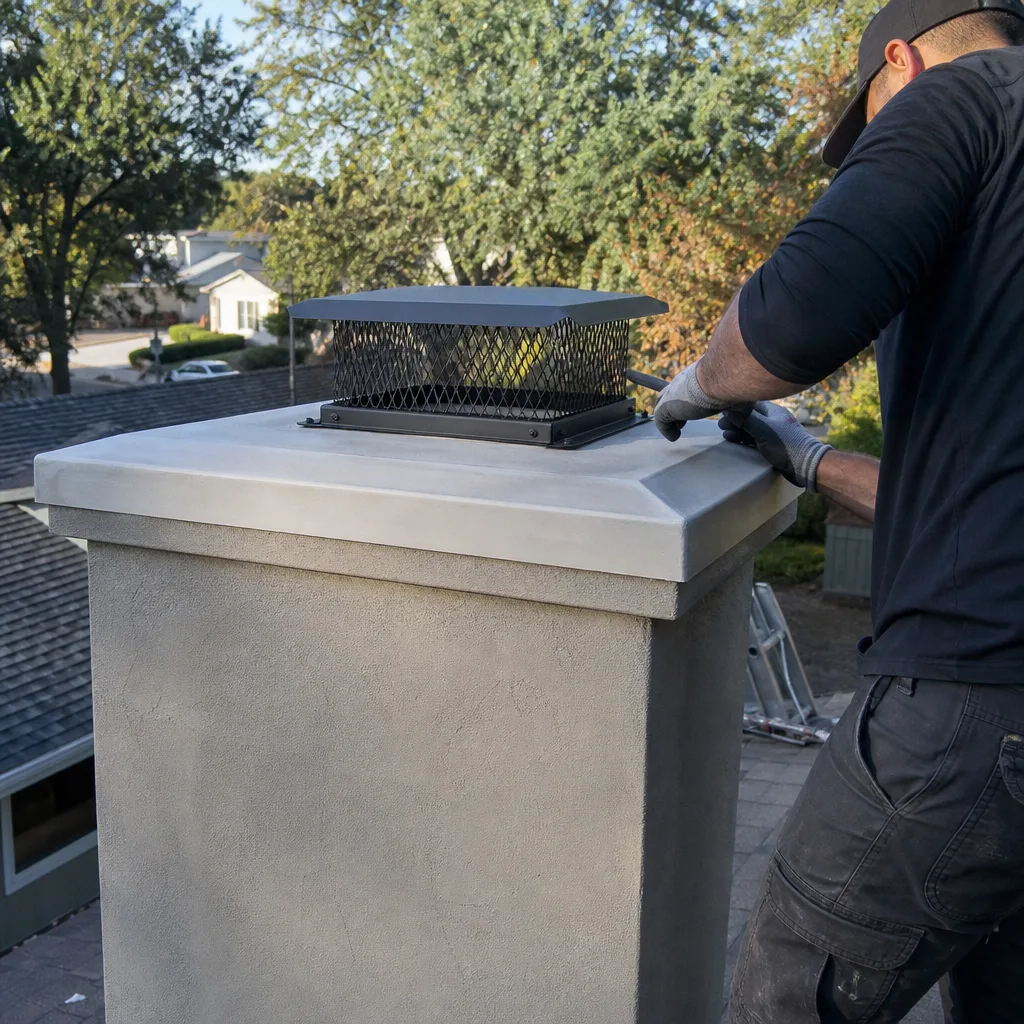
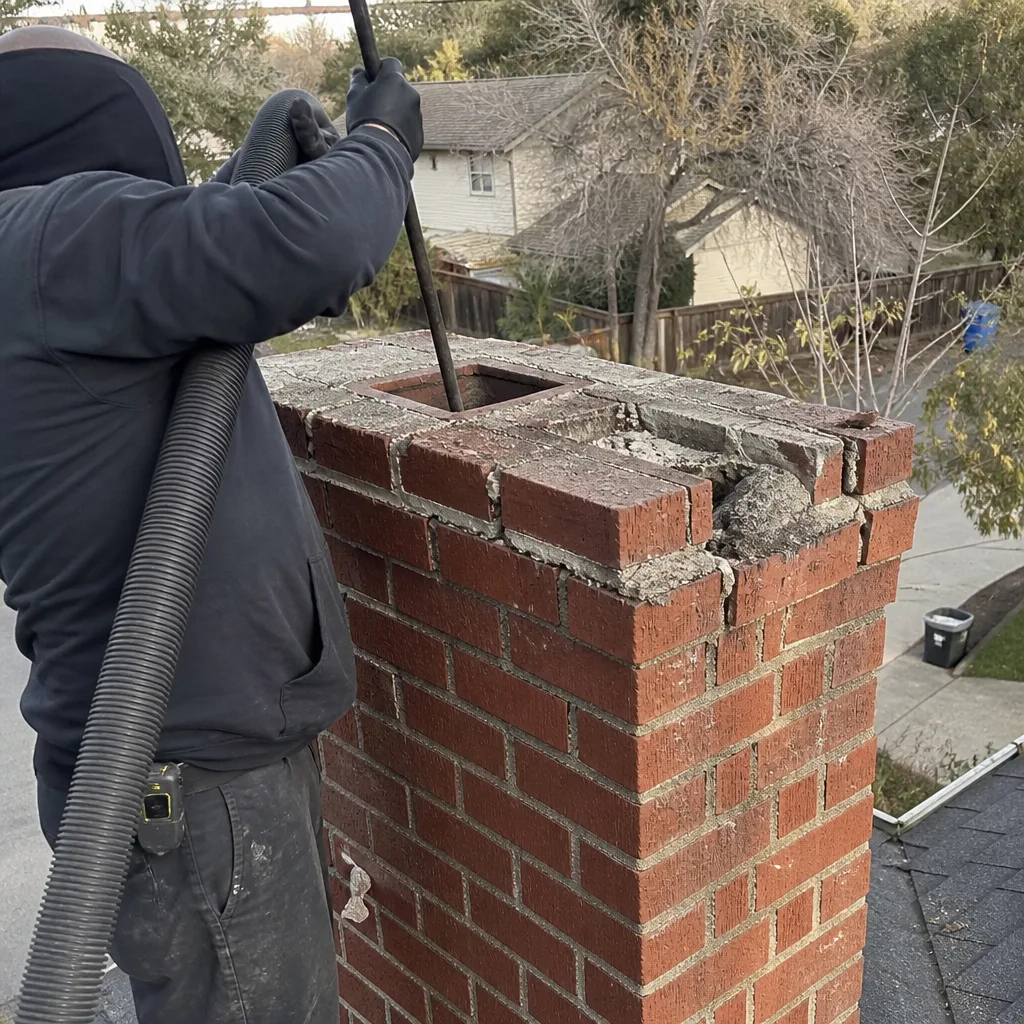
Crown deterioration shows up as cracks in the concrete or mortar surface at the very top of the chimney. The crown is the horizontal surface that sheds water away from the flue. When it cracks, water flows directly into the chimney structure. Hairline cracks are normal for a chimney older than 15 years. Cracks wider than a quarter-inch, or pieces of the crown actually missing, mean the crown is failing. A proper crown repair or replacement involves more than smearing some caulk into the crack; it’s a masonry job that should be done once and done right.
Dryer Vent Warning Signs: A Separate Fire System
Dryer vents and chimneys share the same underlying risk: blocked airflow and heat buildup. The difference is that most Del Paso Park homeowners think about chimney fires and never think about dryer fires, even though the National Fire Protection Association has documented clogged dryer vents as a leading cause of residential dryer fires for years. The warning signs are just as observable as chimney signs, if you know what to look for.
Clothes taking two cycles to dry is the most common early sign. A dryer that used to finish a load in 45 minutes and now needs 90 minutes is working against restricted airflow. The heating element is fine. The moisture has nowhere to go. Every extra cycle you run deposits more lint in the vent, compounding the problem.
Excessive heat on the exterior wall near the duct means the vent line is partially blocked. Place your hand on the wall where the dryer duct exits, during a dry cycle. The wall should feel slightly warm, not hot. A wall that’s hot to the touch means the duct is holding heat that should be moving outside, and the lint inside is baking into a hard, flammable crust.
Lint on the exterior vent flap is a sign you can see from the yard. The flap should close fully when the dryer is not running. If the flap hangs open, or if lint is visibly matted around the opening, the vent system needs cleaning. You can learn more about this service, including what a cleaning involves, on our dryer vent cleaning page.
The two-cycle dry rule
Here’s the rule in plain language: if a standard load of towels needs two full cycles to dry, the vent is at least 50% obstructed. That’s not a wild estimate. Lint accumulates in layers at every bend and joint in the duct, and a duct with two 90-degree elbows, common in Del Paso Park homes with the laundry room on the first floor, collects lint at both elbows. By the time drying time doubles, the duct is holding enough fuel to ignite from the dryer’s own heat. Schedule a dryer vent cleaning in Del Paso Park before running another load.
Triage Table: Signs, Causes, and Urgency
Use this table – and our Chimney Sweep Troubleshooting: Common Problems and How to Fix Them – to decide whether a warning sign means “schedule a cleaning soon” or “stop using this fireplace until a technician visits.” The difference matters.
- Campfire smell days after a fire – Likely cause: stage 2 or 3 creosote buildup, possibly with cracked liner. Urgency: schedule inspection within two weeks; avoid extended fires until then.
- Black flakes or clay shards in the firebox – Likely cause: creosote sloughing off flue walls or spalled flue tile. Urgency: stop using fireplace; call for inspection immediately.
- Smoke pushes into room during first five minutes, then clears – Likely cause: cold flue, mild airflow restriction. Urgency: schedule cleaning; reduce risk by priming the flue with a rolled newspaper torch before lighting.
- Smoke pushes into room continuously – Likely cause: flue obstruction (bird nest, debris, collapsed liner). Urgency: stop using fireplace; call immediately.
- White staining on exterior brick – Likely cause: water intrusion through masonry. Urgency: schedule inspection within a month; repair before rainy season.
- Rust streaks below the cap – Likely cause: corroding cap or flashing. Urgency: schedule cap replacement before winter rains.
- Cracks wider than 1/4 inch in the crown – Likely cause: normal aging, accelerated by water. Urgency: schedule repair within a month.
- Dryer needs two cycles to dry clothes – Likely cause: lint buildup in vent line. Urgency: stop using dryer until vent is cleaned.
- Exterior wall hot near dryer duct during cycle – Likely cause: severely restricted vent. Urgency: stop using dryer immediately; call for vent cleaning.
- Lint visible on exterior vent flap or flap won’t close – Likely cause: heavy lint accumulation. Urgency: schedule cleaning within one week.
Common Mistakes to Avoid
- Assuming a gas fireplace doesn’t need a sweep. Gas fireplaces produce water vapor and sulfur compounds that corrode flue liners and can dislodge mortar. They still need annual inspection, especially if the flames burn yellow instead of blue, which signals incomplete combustion.
- Burning pine or unseasoned wood and thinking it’s fine because the fire burns hot. Pine that hasn’t been split and dried for at least six months produces heavy resin smoke. In Del Paso Park, where oak and almond firewood are common, green wood is the quickest path to stage 2 creosote.
- Treating efflorescence with bleach or a wire brush. Bleach drives minerals deeper into the brick. Wire brushing breaks the fire-skin on the brick face. The staining is a symptom of water movement; fix the crown or cap first, then address the cosmetic issue, not before.
- Closing the damper too soon after a fire. Embers can smolder for hours. Closing the damper traps carbon monoxide in the living space and bakes creosote onto the flue walls. Wait until the fire is completely out and the embers are cold to the touch.
- Ignoring a slow-closing dryer vent flap because “the dryer still works.” A dryer that “still works” while the vent is blocked is a dryer running hotter than it was designed to run. The overheating damages the motor and the thermal fuse, which fails eventually, and the failure is not the fire. It’s the two grand in lint damage between the wall and the exhaust point.
- Using a chimney sweep log and calling it maintenance. These products remove some stage 1 creosote. They do nothing for stage 2 glaze or stage 3 tar, and they cannot address cracks in the liner, loose mortar, or a damaged cap. A $15 log is not a substitute for an inspection by someone who actually looks at the flue with a camera.
- Waiting until fall to address a known issue. Fireplace season in Del Paso Park starts the first week the temperature drops below 60 at night. That’s when everyone calls. Schedule spring or summer repairs, and you’ll avoid the rush and the wait for parts like a specific cap size or a HeatShield application window.
When to Call a Professional
Call a professional when the warning sign involves anything beyond routine ash cleanup. Specific scenarios include: finding clay shards in the firebox, smelling campfire odor that persists for more than a day after a fire, seeing smoke that pushes into the room continuously, noticing white staining or rust streaks on the exterior chimney, or a dryer that suddenly needs two full cycles to dry a normal load. Each of these signs indicates a condition that a homeowner cannot diagnose or fix from the living room or the laundry room.
The right technician will inspect the flue with a camera, show you the footage, and explain what needs attention now versus what can wait. That’s the difference between a sweep-only operator and a company that handles the full sweep-to-repair cycle. From sweep to repair, handled by the same crew. Chimney Sweep Del Paso Park offers free estimates in Del Paso Park. Call (855) 341-8804 to schedule an inspection.
Frequently Asked Questions
A standard chimney sweep in Del Paso Park typically costs between $180 and $340, depending on the flue condition, the level of creosote buildup, and whether the chimney has been serviced recently. Our Choosing the Right Chimney Cleaning Brand: A Buyer’s Guide for Del Paso Park explains what to look for in a provider. If the sweep uncovers damage requiring repair, the sweep service is just the starting point. Call (855) 341-8804 for an exact quote; estimates are free.
You can observe the warning signs described in this guide: look for flakes and shards in the firebox, check the exterior for staining and cracks, and note any odor or smoke behavior that seems unusual. What you cannot do is inspect the interior of the flue. That requires a camera dropped from the top or pushed up from the firebox, and a trained eye to interpret what the footage shows. Inspections are not expensive, and they answer the question definitively.
Yes. Gas fireplaces produce water vapor as a byproduct of combustion, and that moisture combines with sulfur compounds in the gas to create a mild acid that attacks the flue liner over time. Gas fireplace flues should be inspected annually and cleaned every two to three years, more often if the fireplace is the primary heat source in a Del Paso Park winter.
The National Fire Protection Association recommends a sweep whenever creosote reaches 1/8 inch of thickness, or annually for wood-burning fireplaces used regularly. In practice, most Del Paso Park homeowners who burn wood two or three nights a week from November through March need an annual sweep. Homes that burn weekend-only fires might stretch to 18 months. If you burn unseasoned wood, or if a previous sweep found glaze, an annual visit is the safer interval.
At best, your fireplace drafts poorly and smokes the room more often. At worst, creosote ignites inside the flue, and a chimney fire either cracks the liner, spreads into the framing, or both. Even a chimney fire that stays contained costs thousands in structural repair. The cleaning is the cheap part. Call (855) 341-8804 to schedule a sweep or inspection before the problem escalates.
Sacramento and Del Paso Park homes must meet California energy and fire codes for new fireplace installations and major repairs. Existing fireplaces are generally grandfathered, but any repair involving the flue liner or structural masonry must comply with current code. A chimney repair specialist in Del Paso Park will know which repairs trigger which requirements and will pull permits when necessary.
Winter brings lower barometric pressure and higher humidity, both of which push creosote odor out of the flue and into the living space. On damp, overcast days in Del Paso Park, the air pressure outside drops, and the chimney becomes a conduit for air that should stay outside. If the smell is noticeable, it means creosote is coating the flue walls and the liner or mortar has openings large enough to let the odor through. That’s an inspection-level finding, not a cosmetic annoyance.
The Bottom Line
Most chimney problems announce themselves long before they become dangerous. The campfire smell that lingers for days, the black flakes in the firebox, the smoke that pushes into the room when you first light a fire, the white staining on the brick outside, the dryer that suddenly needs two cycles to finish a load. Each sign is specific and observable. Each one has a diagnosis and a fix.
What separates a routine cleaning from a real repair is the inspection that happens during the sweep. A proper sweep includes a camera look at the flue liner, the smoke shelf, and the cap. If damage is found, the same company that finds it should be able to fix it, without sending you to a second contractor. From sweep to repair, handled by the same crew. If you’ve seen or smelled any of the signs in this guide, call (855) 341-8804 for a free estimate. Know exactly what’s inside your flue before the next fire season.
Written by the team at Chimney Sweep Del Paso Park, serving Del Paso Park since 2014.
See the difference
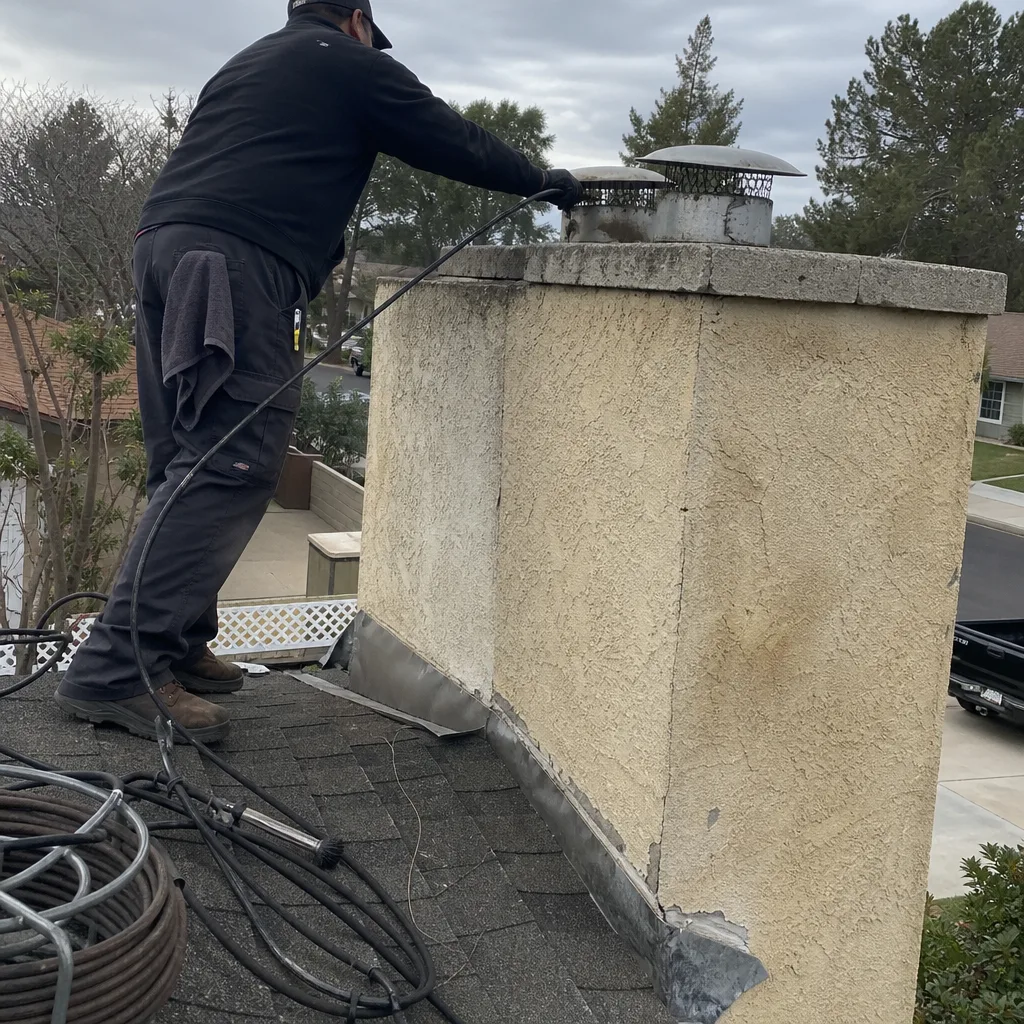 Before
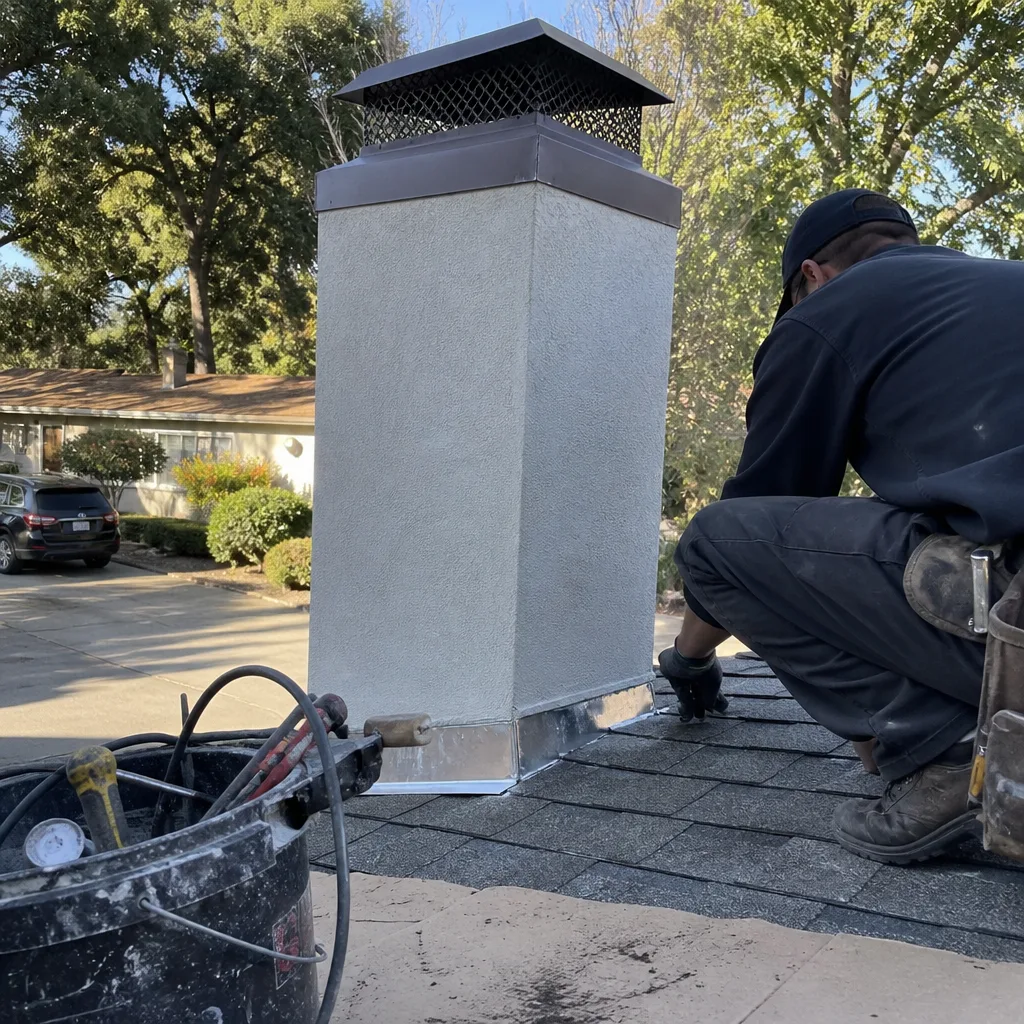 After
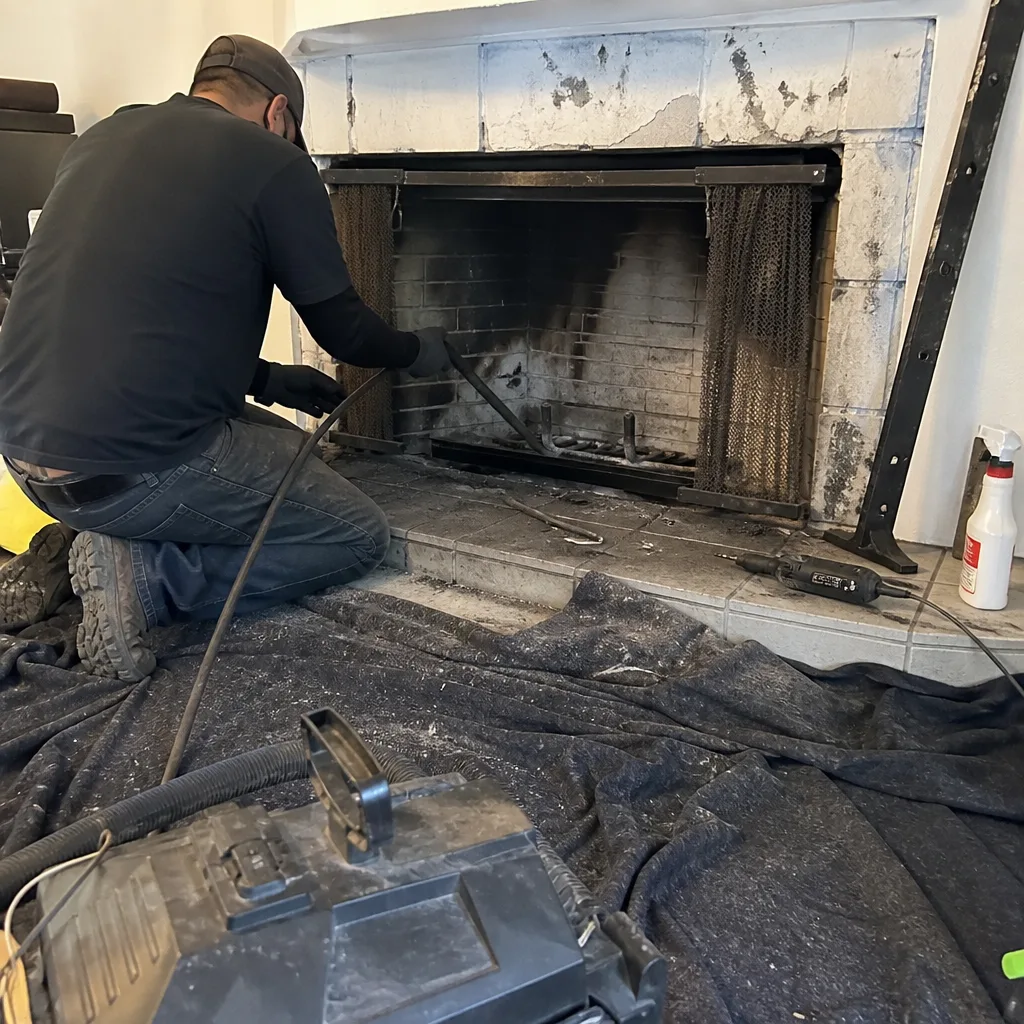 Before
 After
 Before
 After