
Last updated November 2, 2026
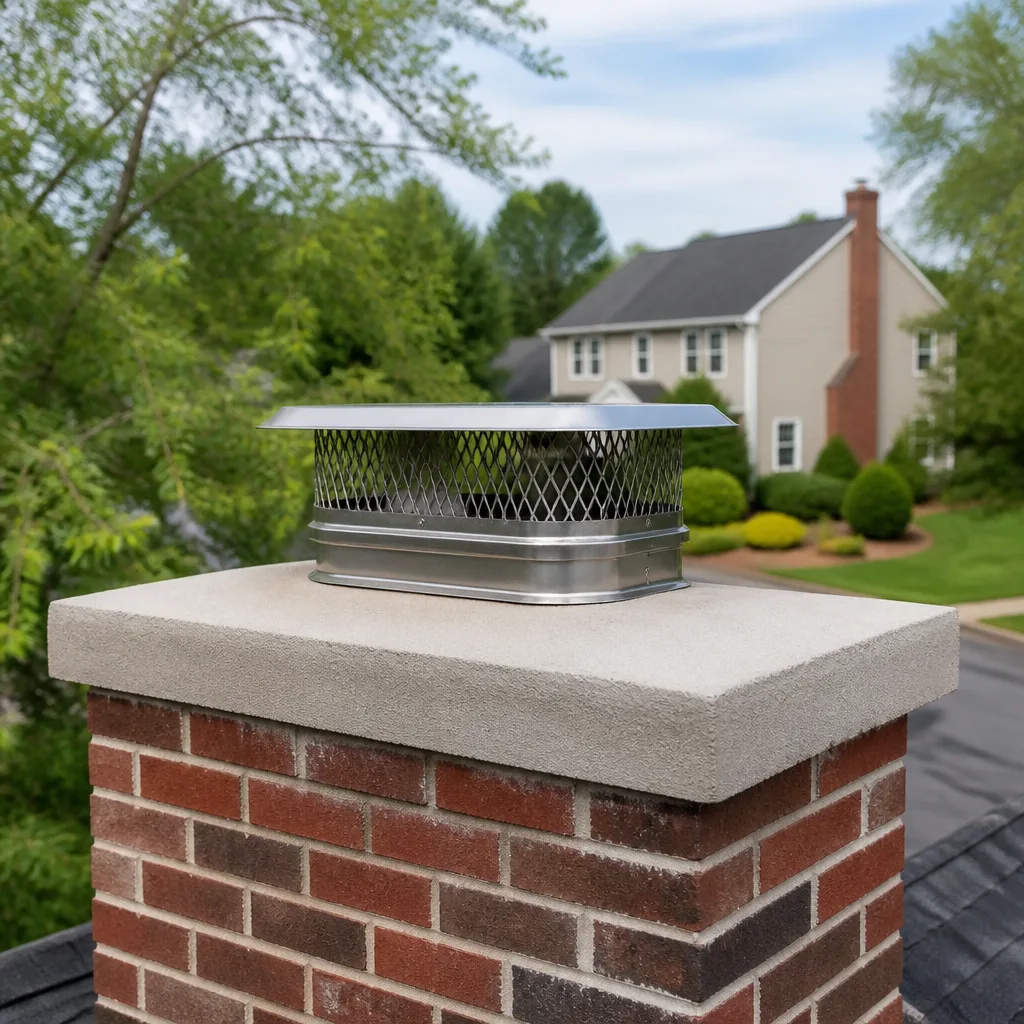 Sweep & inspection
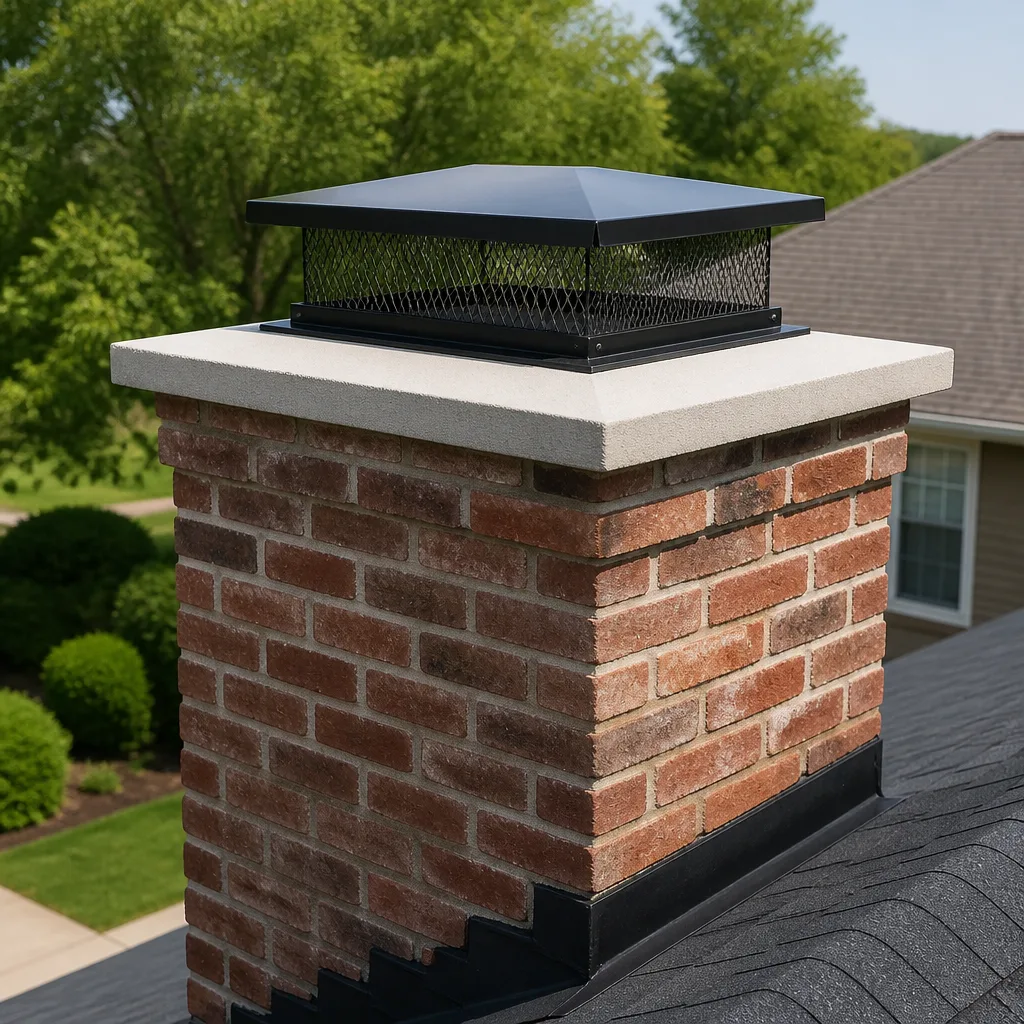 Caps & crowns
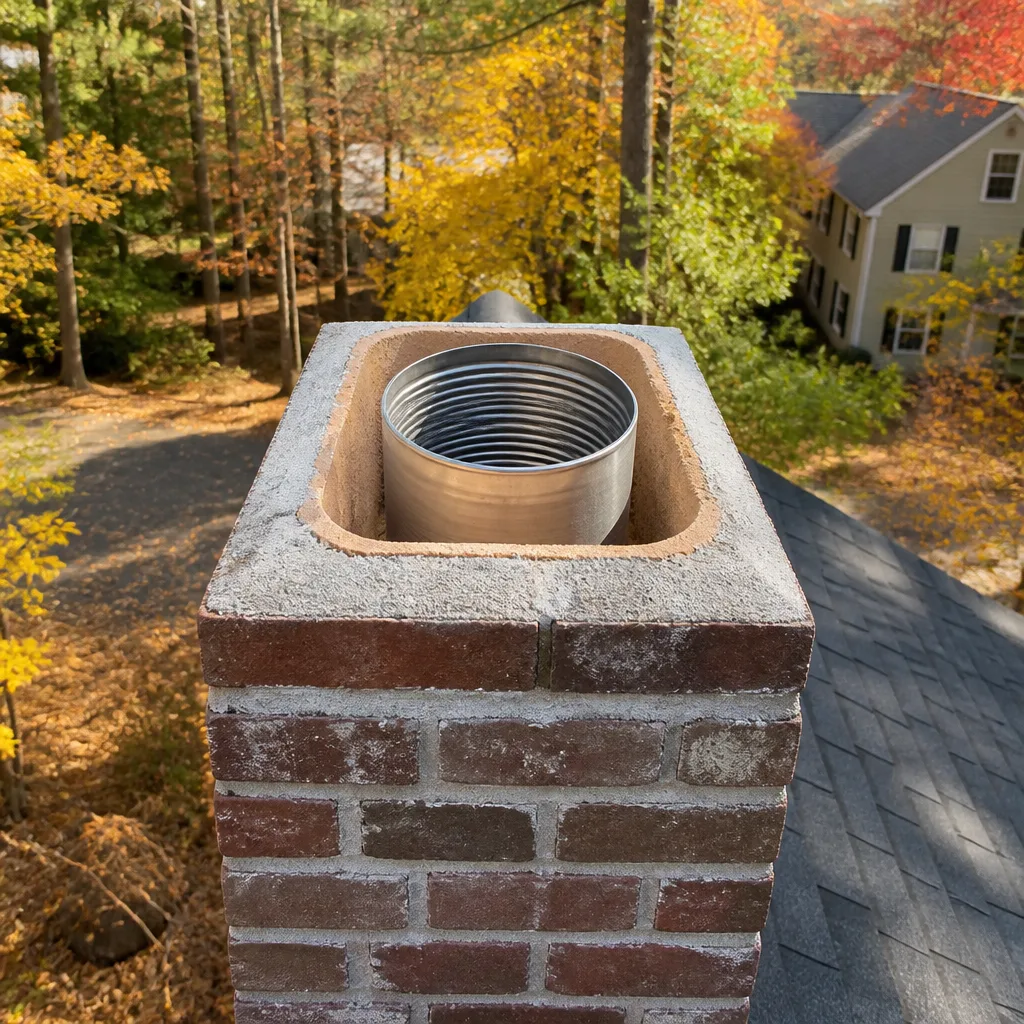 Flue relining
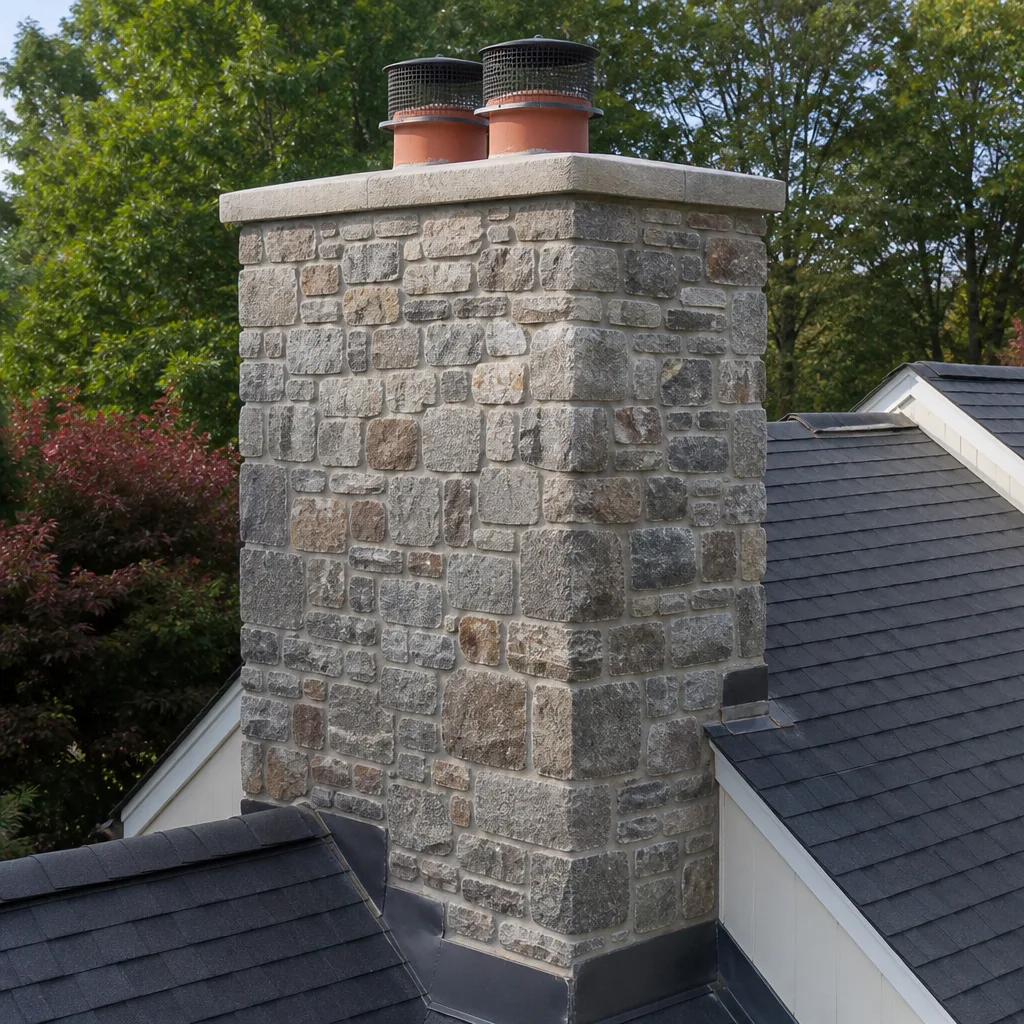 Masonry repair
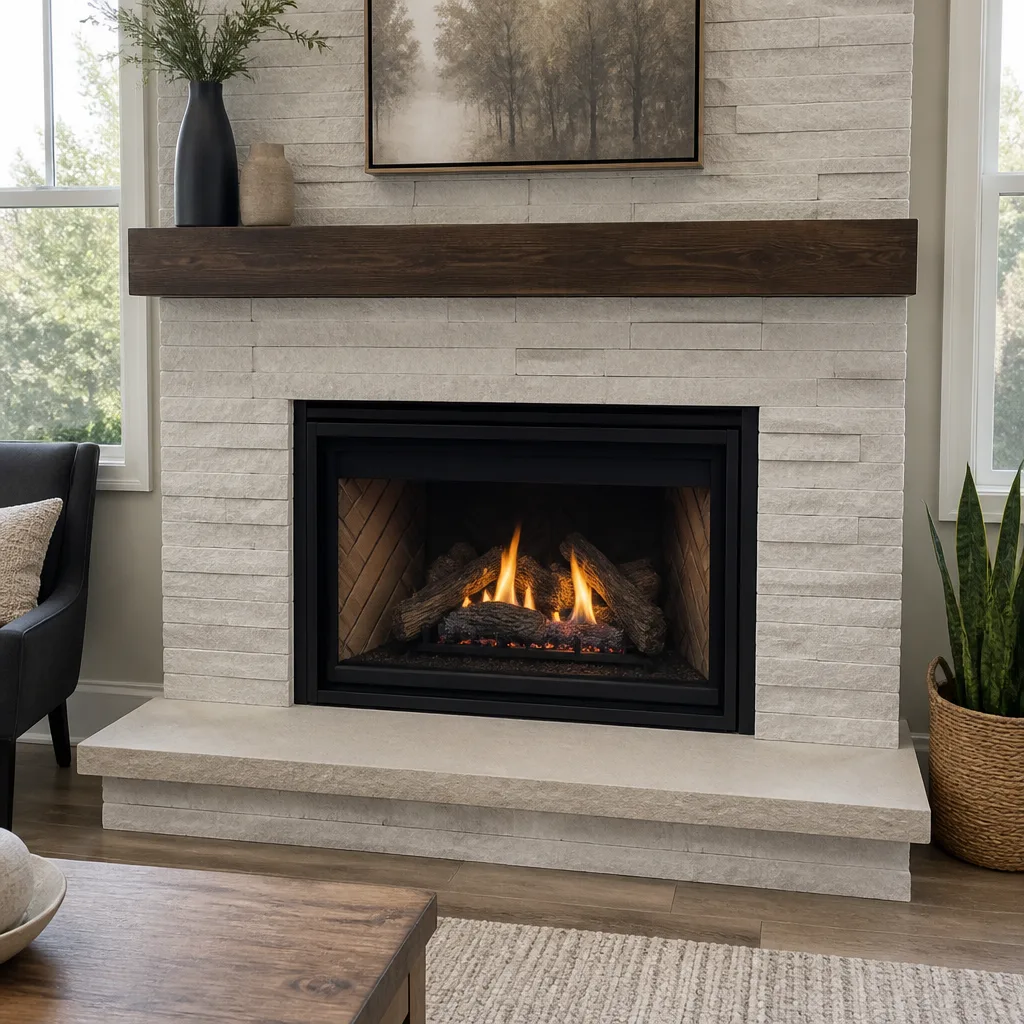 Gas fireplace service
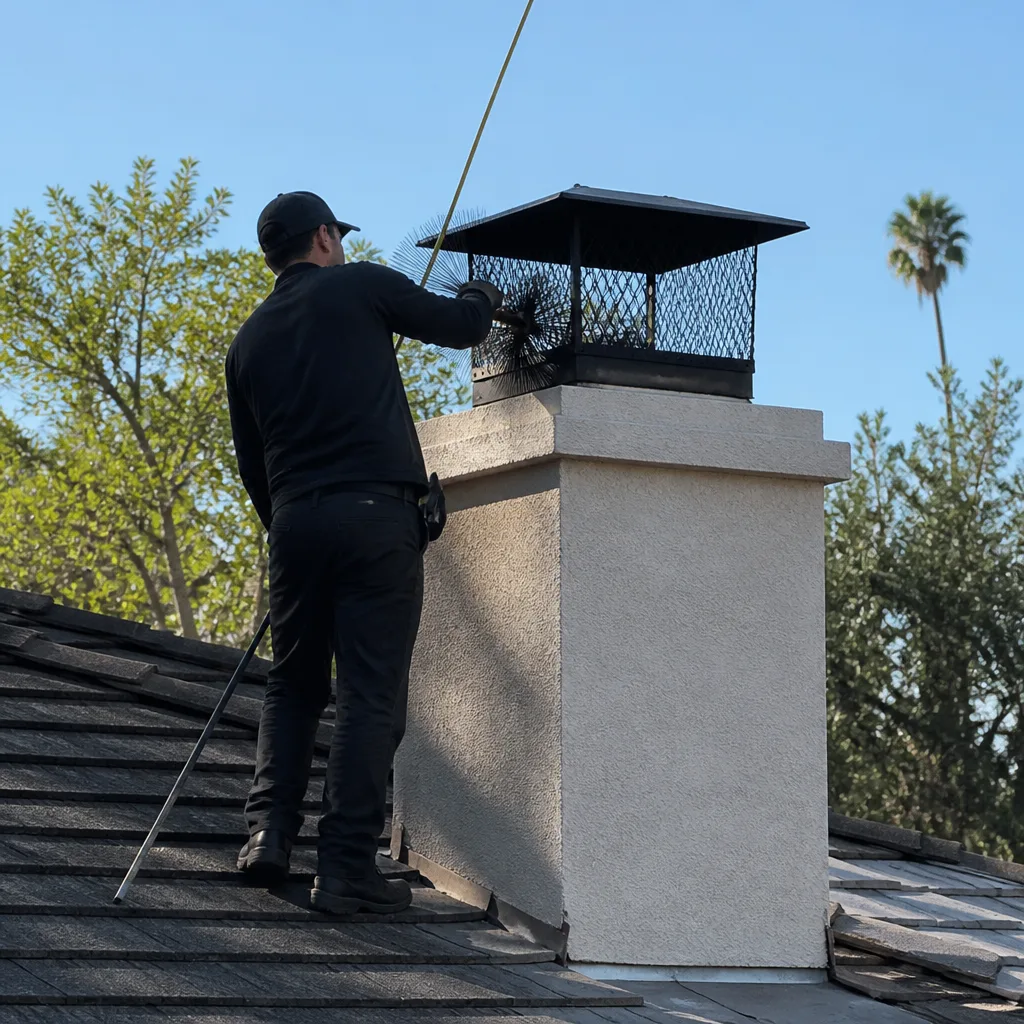
Level 1 sweep and inspection to the NFPA 211 annual standard - flue, crown, cap, and flashing checked and photographed
Chimney sweep logs do not sweep chimneys. They loosen some creosote - which then falls where a brush and vacuum still have to collect it.
Chimney Sweep Maintenance Checklist for Del Paso Park Homeowners
Most chimney problems in Del Paso Park homes aren’t caused by neglect of the annual sweep. They’re caused by the quiet months in between, when small changes go unnoticed: a damper that started sticking in February, a crown crack that opened up after a March windstorm, a rain cap that shifted during the first valley oak leaf drop. The gap between professional visits is where damage compounds. This guide gives you a concrete, component-by-component checklist you can actually use before calling a Chimney Sweep, and after the visit to verify what was done. No vague advice. Specific things to look at, with a flashlight and a mirror, from your living room to your roofline.
Quick Answer
A proper chimney maintenance routine for Del Paso Park homeowners has three layers: visual checks you do yourself every 1 to 2 months (firebox, damper, exterior crown, cap), an annual professional inspection that includes the flue lining and smoke chamber, and a post-cleaning verification step to confirm what the technician actually completed. What you check yourself catches early warning signs; what the technician checks requires tools and access you don’t have at home. The two work together, and skipping either one leaves the other incomplete.
Styles & brands we work with
- Sweep & inspection
- Caps & crowns
- Flue relining
- Masonry repair
- Gas fireplace service
Table of Contents
- Homeowner Checks vs. Technician Checks: Who Does What
- The Monthly 10-Minute Visual Check
- Seasonal Checklist: When to Do What in Del Paso Park
- Post-Cleaning Verification: What to Confirm Before the Technician Leaves
- Del Paso Park Environmental Factors That Affect Your Chimney
- Record-Keeping Template: Building a Defensible Maintenance History
- Tools You Already Own: What You Actually Need for Visual Checks
- Common Mistakes to Avoid
- When to Call a Professional
- Frequently Asked Questions
Homeowner Checks vs. Technician Checks: Who Does What
This distinction matters more than more guides & resources admit. If you try to do a technician’s job, you risk missing serious damage or hurting yourself. If you skip your own checks, you let small problems grow for a full year between appointments. Here’s the clear line.
What you can check yourself (safe, no special tools beyond a flashlight and mirror):
- Firebox interior: The brick or refractory panel surface where the fire actually burns. Look for crumbling mortar joints, cracked panels, or white staining that wasn’t there before. White staining often means moisture is getting in through a damaged crown or cap.
- Damper operation: The metal plate just above the firebox that opens and closes. It should move smoothly and stay in the position you set. A damper that’s stiff or won’t fully close means rust, warping, or creosote buildup on the mechanism.
- Hearth and surround: The floor area in front of the firebox and the material around the opening. Loose tiles, cracked brick, or a hearth that’s pulling away from the wall can indicate settlement or heat damage.
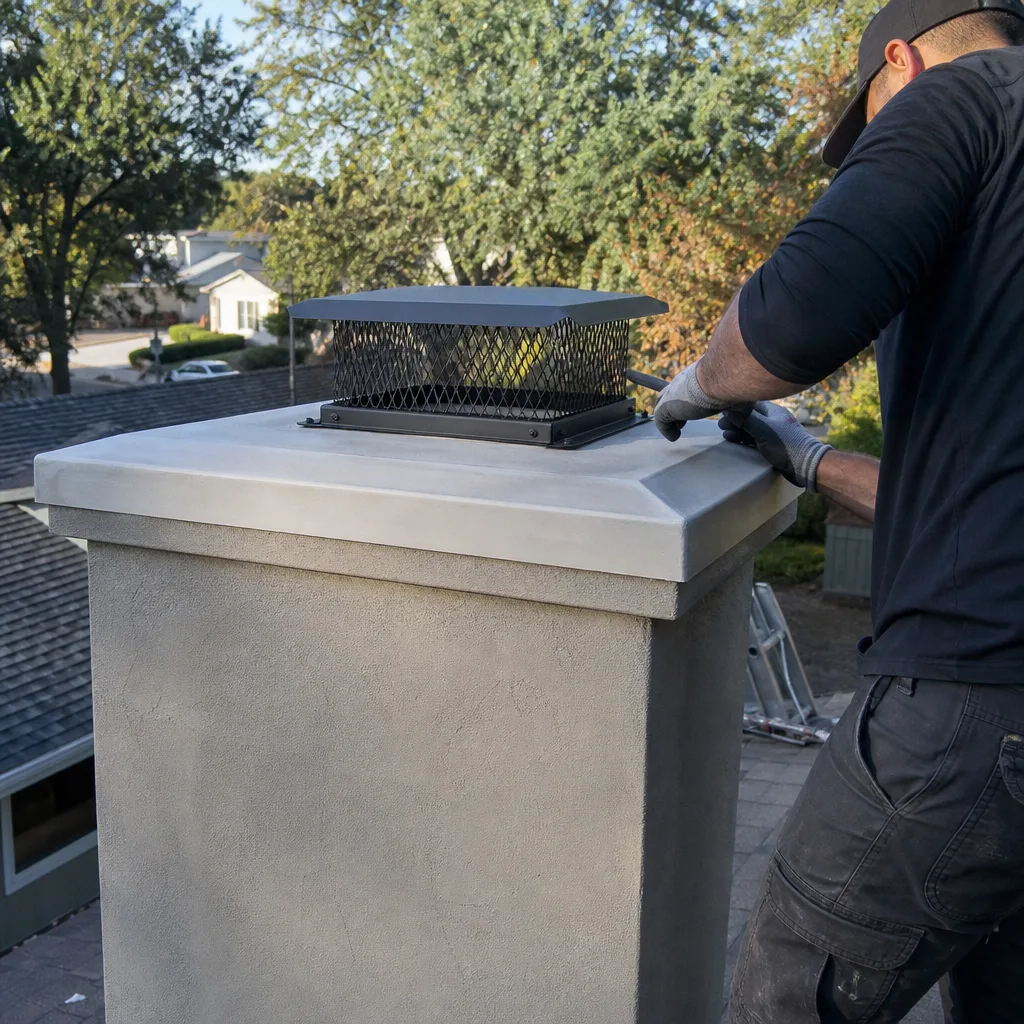
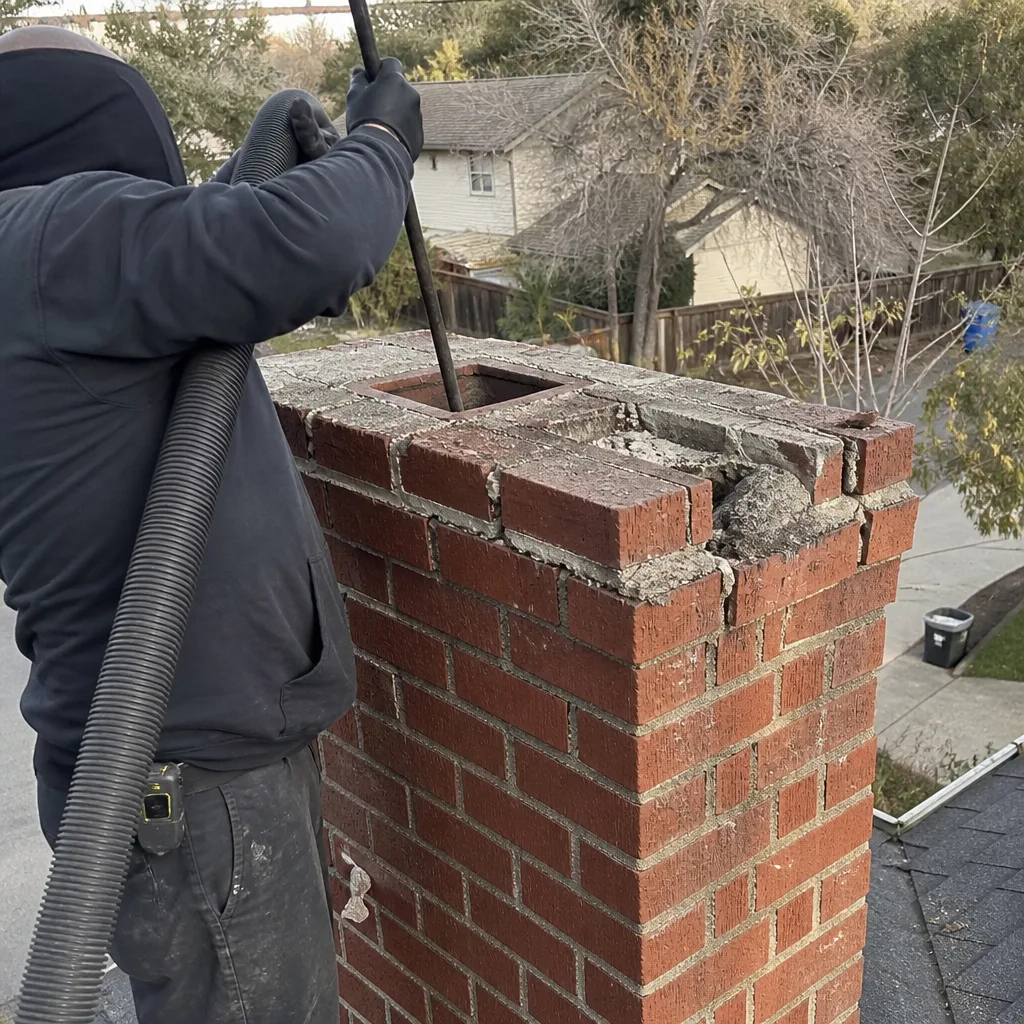
- Exterior chimney stack (from the ground): Use binoculars or a phone camera zoomed in. Look for cracks in the crown (the concrete cap at the top), missing or spalling brick faces, and a rain cap that’s bent, tilted, or clogged with visible debris.
- Cap screen: From the ground, the screen around the cap should look intact. If you see gaping holes or sections of screen peeling back, birds or squirrels can get in. During nesting season in Del Paso Park, this is one of the fastest ways to end up with an animal in your flue.
What only a trained technician should do:
- Flue liner inspection: The inner passageway that carries smoke and gases up and out. This requires specialized equipment and training. A damaged liner is a serious fire and carbon monoxide risk, and it’s invisible from your living room. We use professional-grade inspection tools and work with products like HeatShield and DuraFlex when the liner needs resurfacing or replacement.
- Smoke chamber assessment: The transition area between the firebox and the flue, where heat and creosote concentrate. This area is hard to see without the right tools and experience, and it’s a common spot for hidden cracks.
- Connector pipe inspection (for stoves or inserts): The pipe connecting a wood stove or insert to the chimney. A technician checks the joints, clearances, and condition of the pipe, and verifies that connectors meet current code requirements for your Del Paso Park home.
The point of knowing this distinction isn’t to encourage you to do more, it’s to keep you doing the right things safely. A homeowner who checks the firebox and damper every month catches problems a year before a homeowner who never looks. A homeowner who tries to inspect their own flue liner is doing something genuinely dangerous. High-temperature chimney systems can hide structural failure that only a trained eye recognizes.
The Monthly 10-Minute Visual Check
This is the routine that actually prevents big problems. It’s simple enough to do while you’re tending the fireplace or waiting for a load of laundry. Get a quality flashlight and a small mirror, and follow these steps in order.
- Look at the firebox walls and floor. Using the flashlight, examine every surface you can see. Look for anything that’s changed since last month: hairline cracks, soft or crumbling spots, pieces of brick that have fallen out. Run the light across surfaces at a low angle; that makes cracks cast shadows and stand out.
- Check the damper with your hand on the handle. Open it fully and close it fully, then leave it in the closed position. The motion should be smooth, with no grinding or sticking. If you notice any resistance, note it. A damper is simple, and any friction is a sign of something: rust, creosote, a warped plate.
- Shine the flashlight up past the damper (without reaching in). You’re not inspecting the flue, just looking for the obvious: leaves, twigs, built-up creosote that’s visible at the bottom, or light that looks blocked or dim. If you see any debris, make a note to mention it to your sweep.
- Use the mirror to check the smoke shelf area behind the damper. This is the flat ledge just behind and above the damper that catches falling debris and creosote. A small amount of buildup is normal; a thick layer or visible moisture is not. Don’t put your hand or any tool into the flue. Just observe.
- Examine the hearth and surrounding floor for gaps. Look where the hearth meets the firebox opening, and where the hearth meets the surrounding floor. A gap that wasn’t there in March is a sign of movement. Homeowners in Del Paso Park sometimes see this after the soil expands and contracts through a wet winter and a dry summer.
- Step outside and look at the exterior chimney from the ground. Walk to the street or sidewalk so you can see the full height. Look for leaning, missing brick faces, or a cap that looks different from before. If you see any pieces of brick or mortar in the yard or on the roof, don’t climb up. Make a note and call a professional.
Ten minutes, once a month, and you’ll know more about your chimney than 90% of homeowners. The key is consistency. One look tells you almost nothing; a series of looks over time tells you what’s changing and what’s stable.
Seasonal Checklist: When to Do What in Del Paso Park
Chimney maintenance isn’t evenly distributed through the year. The tasks that matter in October are different from the ones that matter in April. Here’s how to sequence your year in Del Paso Park, where a warm dry summer and a wet winter create a predictable cycle of chimney stress.
Fall (October through November) – Pre-Burning Season
This is when most Del Paso Park homeowners schedule their annual sweep, and for good reason, following our Chimney Sweep Troubleshooting: Common Problems and How to Fix Them. You’ve had a full summer of dust, leaves, and spider webs accumulating in the flue, and you’re about to light the first fire of the year.
- Schedule the annual sweeping and inspection before you light the first fire of the season.
- Do a thorough visual check of the firebox, damper, and exterior cap (the full monthly routine, plus a closer look at the cap for leaf and debris buildup).
- Test your carbon monoxide detector. This is the most critical safety step before the first burn, and it’s one most people forget.
- Check the damper one more time to make sure it wasn’t left open all summer, letting hot air in and conditioned air out.
Winter (December through February) – Peak Usage
During burn season, the chimney is doing its job, and your job is to watch it do that job. You’re looking for the warning signs that something has changed.
- Continue the monthly visual check, and do it more carefully during heavy usage.
- Watch for any change in how the fire draws. A fire that suddenly starts smoking into the room, or that burns less vigorously with the damper fully open, is telling you something.
- Listen for any new sounds: dripping inside the chimney, birds or animals, or a whistling that signals a draft problem.
- If you burn wood, watch for a brownish-black tar-like glaze forming on the firebox walls; that’s stage 2 creosote, and it burns hotter and faster than the flaky stuff.
Spring (March through May) – Post-Season Assessment
This is the time when Del Paso Park’s wet season is ending and the structure has just been through months of heat cycling, rain, and wind. Now is when you spot damage that can be repaired in the dry months ahead.
- Do a thorough visual check while the firebox is cold and you can see clearly.
- After the last burn of the season, clean out the ash and examine the firebox for new cracks or damage that the heat season may have exposed.
- Look at the exterior chimney cap and crown after spring winds. Del Paso Park can get strong gusts, and a shifted rain cap won’t protect your flue through next winter’s rains.
- If you have any suspicion of moisture, call a professional. A small crack in the crown that stays open through one rainy season can mean thousands in flue and firebox repairs by fall.
Summer (June through September) – Preventive Work
Summer in Del Paso Park is dry and hot. It’s the best time of year to have structural repairs done, because the masonry is dry and the weather won’t interrupt the work.
- If your spring inspection found any issues, now is the time to schedule repair work. Cracks in the crown, missing chimney caps, and damaged flue liners should not wait until fall.
- Check the cap screen for a second time. Summer is nesting season for many birds, and our team regularly finds animals that entered through a torn screen.
- If you use your fireplace infrequently in summer, consider leaving the damper slightly open during the hottest weeks – a fully closed damper can trap hot, moist air in the flue and accelerate creosote smell.
Post-Cleaning Verification: What to Confirm Before the Technician Leaves
A professional sweep is a service, and like any service, it’s reasonable to verify what was done. This isn’t about distrust; it’s about knowing what state your chimney is in so you can interpret changes going forward. Here’s what to ask for and physically confirm after a sweep in your Del Paso home, or see our Choosing the Right Chimney Cleaning Brand: A Buyer’s Guide for Del Paso Park.
Before the technician leaves, confirm these five things:
- Ask what level of inspection was performed. The Chimney Safety Institute of America defines three levels. A Level 1 inspection is the standard for a chimney that’s been regularly maintained and is being used the same way as before. A Level 2 is required when there’s been a change: a new appliance, a new fuel type, a real estate transaction, or a weather event. A Level 3 is the most detailed, involving access through the chimney structure itself. You should know which one you received and why.
- Ask to see the written findings. A thorough chimney company documents what they found, even if nothing was wrong. That record is your baseline for next year. If the technician found any damage, they should explain it in terms you understand and, ideally, show you photos or video.
- Physically look at the firebox after the sweep. It should be visibly cleaner than before. That’s the simplest confirmation. You’re not looking for perfection; creosote stains may remain in the brick even after a good sweep. You’re looking for a clear difference.
- Confirm the damper still operates correctly. A sweep shouldn’t affect the damper, but it’s worth a quick test after they’re done. Open it, close it, verify it still moves freely.
- Ask about the condition of the cap and crown. A thorough sweeping includes a check of the cap and crown from the roof. If the technician hasn’t mentioned them, ask directly. A cracked crown or missing cap is a common finding, and if your sweep doesn’t flag it, you want to know why.
If repairs were recommended, confirm these details:
- What exactly is wrong, and where is it located? In our experience, a good technician can point to the specific location: the left side of the flue liner about six feet above the firebox, the seam of the crown on the south side, the connector pipe elbow behind the stove. If the explanation is vague, press for more detail.
- What product or method is proposed, and why that product? Ask this question directly. If the answer references an industry-grade material line like Copperfield, DuraFlex, or HeatShield, that’s a sign you’re working with a repair-capable company that uses professional-tier products, not whatever’s on sale at the hardware store. Ask what the product is rated for: temperature range, warranty, and whether it’s approved for your specific fuel type.
- What happens if you do nothing for now? This is the most important question, because not all chimney damage is urgent. Some cracks are cosmetic and can wait years. Some flue liner damage is a fire hazard tomorrow. A reputable technician will tell you the truth, even when the truth is that you can wait. That’s exactly the kind of honesty we give our Del Paso Park customers.
Del Paso Park Environmental Factors That Affect Your Chimney
Your chimney doesn’t exist in a vacuum. It’s subjected to the specific climate and ecology of Del Paso Park, and those factors change what you should watch for and when. Here’s what we know from working on chimneys throughout the area.
Valley oak and other deciduous leaf debris
Del Paso Park has a mature tree canopy, and that’s a mixed blessing for your chimney. Valley oaks drop leaves in the fall and early winter, often in bursts with strong wind. If your rain cap screen is torn or missing, those leaves will find their way into your flue. A surprising amount of leaf debris can accumulate in one season, creating a blockage that pushes smoke back into your home. This is the single most common environmental issue we see in this area.
Wind patterns and cap stress
Like much of the Sacramento Valley, Del Paso Park catches strong seasonal winds, particularly in the spring and fall. These winds do two things to your chimney. First, they can loosen or shift a rain cap that isn’t properly secured, especially if it was installed with undersized screws or on a crown that’s already deteriorated. Second, they drive leaf, twig, and dust debris into the cap screen faster than in calmer neighborhoods. A cap check in late spring and late fall can catch a problem before it compounds.
Wet winter dry summer cycle
The Sacramento area’s Mediterranean climate, wet winters and long dry summers, is hard on masonry. Moisture from winter rains enters small cracks in the crown or brick facing, then the extreme summer heat drives that moisture back out. This repeated expansion and contraction widens tiny cracks into bigger ones. A crown that looked fine in October can have a visible crack by August. This is why the post-winter visual check matters so much in your area; you’re looking for the damage that just finished forming.
Animal activity
The tree canopy around Del Paso Park also means animal pressure on your chimney. Squirrels, raccoons, and birds all see a chimney as a potential home. Your first line of defense is the cap screen. If it’s intact and properly secured, animals stay out. If it’s torn, bent, or missing, you’ll probably know within a season. Our techs regularly remove nests from chimneys in this area, and the damage from nesting material, plus the urine and droppings, can be significant. When you do your monthly check, look at the cap screen carefully from the ground, especially in the spring.
Record-Keeping Template: Building a Defensible Maintenance History
Here’s the thing most chimney maintenance guides never mention: your maintenance history is an asset. It helps you understand the health of your chimney over time, it helps a new technician get up to speed if you switch companies, and it can be important for insurance or resale purposes. The goal is to log each visit in a consistent way so the record actually becomes useful.
Keep a dedicated chimney log. Here’s what to record for each professional service:
- Date of service
- Company name and technician name
- Level of inspection performed (1, 2, or 3)
- What was done: swept, inspected only, cap replaced, crown sealed, liner resurfaced, etc.
- Products used: Brand names like HeatShield for resurfacing, DuraFlex for a new liner, or Gelco for crown sealing. Knowing what product was used matters if you ever need a warranty claim or a repair.
- Findings and recommendations: What was found, and what did the technician recommend? Is anything on the schedule for next year?
- Photos taken: Note if the technician provided photos or video of the flue interior. Keep them with your records.
And log your own visual checks too:
- Date of your check and what you observed. Not necessarily a full report every month, just a one-line note: “Checked firebox, no changes.” Or “Damper is sticking a bit now.”
- Any unusual weather events at your home. A severe windstorm, a nearby tree branch coming down, a particularly heavy rain. These events correlate with chimney damage.
If you do this consistently, you’ll have something most homeowners don’t: a complete history of what’s been done to your chimney, when, and why. When we come out to a Del Paso Park home and the owner hands us a log like that, we can do our job better. We can spot patterns, anticipate recurring issues, and avoid repeating work that’s already been done. That’s the difference between maintaining a chimney and truly managing its health over the life of the home.
Tools You Already Own: What You Actually Need for Visual Checks
You don’t need a chimney inspection camera, a drone, or any specialized equipment to do the homeowner checks in this guide. A few basic household items cover nearly everything.
- A quality flashlight. This is the most important tool on the list. A bright LED flashlight, something you’d use for a power outage, will handle firebox and damper inspection easily. The brighter the light, the more cracks and defects you’ll see.
- A small handheld mirror. A makeup mirror or a camping-style signal mirror lets you look up past the damper and see the smoke shelf without craning your neck or getting your face into the firebox. This one tool turns an awkward task into a simple one.
- Binoculars or your phone camera zoomed in. For checking the exterior cap, crown, and chimney stack from the ground. A phone camera can zoom in surprisingly far, and you can take a photo to compare against next month.
- A notebook or a note on your phone. You need somewhere to log what you observe. It can be as simple as a running note: “June 15 – firebox looks same as last month, damper working fine.” The record is the value.
That’s the whole list. You don’t need a ladder to get on the roof; in fact, we’d rather you didn’t climb onto the roof. Roof work near a chimney is one of the most dangerous things a homeowner can do, and we say that as people who do it every day. Every check in this guide is designed to be done safely from the ground or from inside your home.
Common Mistakes to Avoid
- Skipping the cap and crown check because they’re hard to see. The cap and crown are your chimney’s first line of defense against water and animals. In Del Paso Park, where valley oaks shed leaves and strong winds are common, a damaged cap is the leading cause of blockages and animal entry. It takes 30 seconds to check from the ground with your phone camera.
- Assuming no fire means no chimney problems. Gas fireplaces still produce acidic condensation that attacks flue liners. A chimney for a gas appliance needs inspection too, just on a different schedule and for different reasons. Don’t skip the annual check because you’re not burning wood.
- Ignoring a damper that’s hard to operate. A stiff damper is trying to tell you something. It might be as simple as rust, or it might be creosote building up on the mechanism, or the metal warping from heat. Waiting until it fails entirely means a repair instead of a maintenance fix.
- Cleaning the firebox with water or harsh chemicals. Water activates creosote and other acidic residue left in the firebox, making the smell worse and sometimes driving the residue deeper into the brick. A soft brush and a dustpan are all you need for regular ash and debris removal.
- Doing structural repairs with a hardware-store product. We’ve seen too many cracks in crowns and fireboxes filled with generic caulk or mortar mix, and those patches fail within a couple of seasons. Professional chimney repair uses products engineered for high temperatures and chimney-specific chemistry, like the Gelco and DuraFlex lines we work with. The right product matters.
- Waiting until fall to think about the chimney. By the time October arrives in Del Paso Park, your window for a comfortable repair is closing. The best time to inspect and repair is spring and summer, when the chimney is dry, the weather is predictable, and you’re not rushing to get it done before the first cold evening.
When to Call a Professional
Some things you can handle with a flashlight and a little patience. Others, you should not. If you notice any of the following on a visual check, call a professional rather than trying to fix it yourself: white staining or moisture inside the firebox that wasn’t there before; a damper that won’t move or is visibly warped; chunks of brick or mortar in the yard below the chimney; visible cracks in the exterior crown that run more than a hairline; any signs of animal activity (scratching sounds, nesting material falling into the firebox, strong animal odor coming from the chimney); or a sudden change in how your fire draws, including smoke entering the room or a persistent chimney smell even when it’s not in use. Chimney Sweep Del Paso Park offers free estimates in Del Paso Park, and we’d rather come out and tell you something is fine than have you wait and find out it isn’t. Call (855) 341-8804 to book a sweep, an inspection, or to talk through what you’re seeing.
Frequently Asked Questions
The standard recommendation is once per year for a wood-burning fireplace in regular use, ideally in the late summer or early fall before the burning season begins. If you burn more than three cords of wood per year, or if you burn unseasoned wood, you may need sweeping more often. For gas fireplaces, the frequency can be lower, but an annual inspection is still recommended. Our technicians can advise you after seeing your usage patterns and the condition of your flue. Call us to schedule your sweep and we’ll assess what your specific chimney needs.
A chimney inspection includes a visual examination of all accessible areas of the chimney: the firebox, damper, smoke chamber, flue lining, connector pipes, cap, and crown, plus an evaluation of the exterior chimney structure from the ground and roof. The depth of the inspection depends on the level: a Level 1 is basic and appropriate for routine maintenance; a Level 2 is more detailed and uses specialized camera equipment to inspect the flue interior, usually required after a change in the system or a weather event; a Level 3 involves partial disassembly of the chimney structure and is reserved for cases where serious damage is suspected. Chimney Sweep Del Paso Park offers comprehensive chimney sweep service in Del Paso Park that includes the appropriate level of inspection for your situation.
Yes, you should still have it inspected periodically. An unused chimney can develop problems that a used one won’t: animals can nest in it, moisture can accumulate in a sealed-off flue, and small cracks can form without the telltale signs that burning provides. A chimney that’s been unused for a long period should be inspected before you light the first fire in it. Call us to talk through what you’re seeing, and we’ll help you figure out whether an inspection is needed.
A sweep is the physical removal of creosote, soot, and debris from the flue and firebox using specialized brushes and vacuums. An inspection is a visual and sometimes camera-based assessment of the chimney’s structural integrity and safety. In practice, the two are usually done together: the sweep cleans the chimney so the inspection can see what’s behind the buildup. At Chimney Sweep Del Paso Park, every sweep includes an inspection, because cleaning a chimney without evaluating its condition is only half the job. Learn more about our home service page for an overview of how we work.
A standard chimney sweeping and basic inspection in Del Paso Park typically runs between $150 and $300, depending on the chimney’s height, accessibility, and the amount of buildup. Additional services like a Level 2 camera inspection, cap replacement, or minor repairs are priced separately based on what’s found. We provide a clear quote before any work begins, so there are no surprises. Call (855) 341-8804 for an exact quote based on your chimney.
In most cases, yes. If a sweep and inspection reveal a damaged flue liner, cracked crown, or a missing cap, Chimney Sweep Del Paso Park can handle the repair in the same service relationship without referring you elsewhere. That’s one of the advantages of working with a company that offers chimney repair in Del Paso Park alongside sweeping: the technician who found the problem is the one who fixes it. We work with professional-grade product lines like DuraFlex, HeatShield, Gelco, and Copperfield, so repairs are done with the materials the industry trusts.
Yes. Dryer vent cleaning is a core service for us, because dryer fires share the same root cause as chimney fires: built-up flammable material in a confined ventilation space. Lint accumulation in dryer venting is the NFPA-documented leading cause of dryer fires. We offer dryer vent cleaning in Del Paso Park as part of our overall fire-safety focus. If you haven’t had your dryer vent cleaned in the past year, call us to schedule it at the same time as your chimney sweep.
The Bottom Line
A chimney maintenance checklist isn’t a list of things to buy; it’s a way of seeing. The homeowner who understands what they’re looking at, and why it matters, can catch small problems before they become structural repairs. Do the monthly visual check with a flashlight and mirror. Log what you see. Schedule the annual professional sweep and inspection, and verify what was done before the technician leaves. Pay attention to the Del Paso Park-specific factors, valley oak leaf debris, spring winds, the wet-dry cycle that stresses masonry, because those are the things that actually cause problems here. And when something looks wrong, or you’re just not sure, call us. We’d rather talk to you now than do a bigger repair later. Reach Chimney Sweep Del Paso Park at (855) 341-8804 for a free estimate.
Written by the team at Chimney Sweep Del Paso Park, serving Del Paso Park since 2014.
See the difference
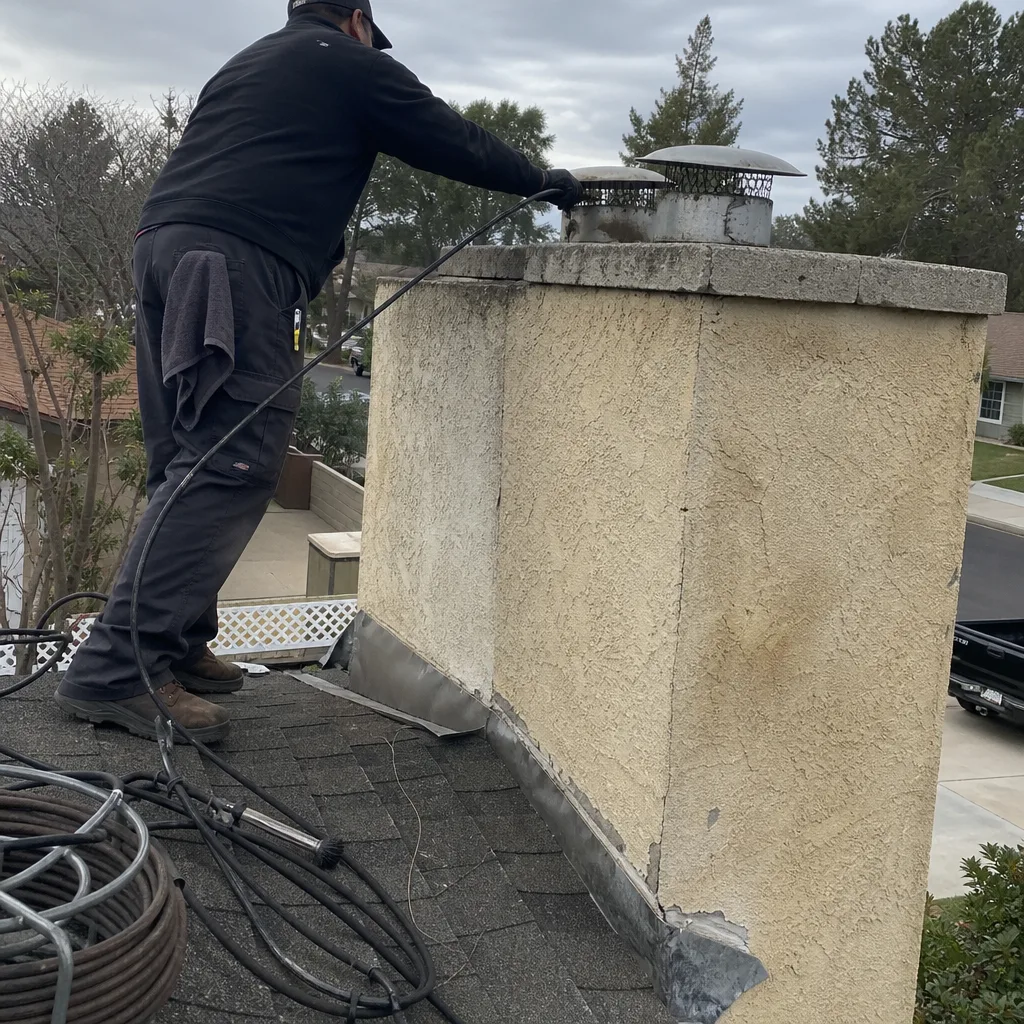 Before
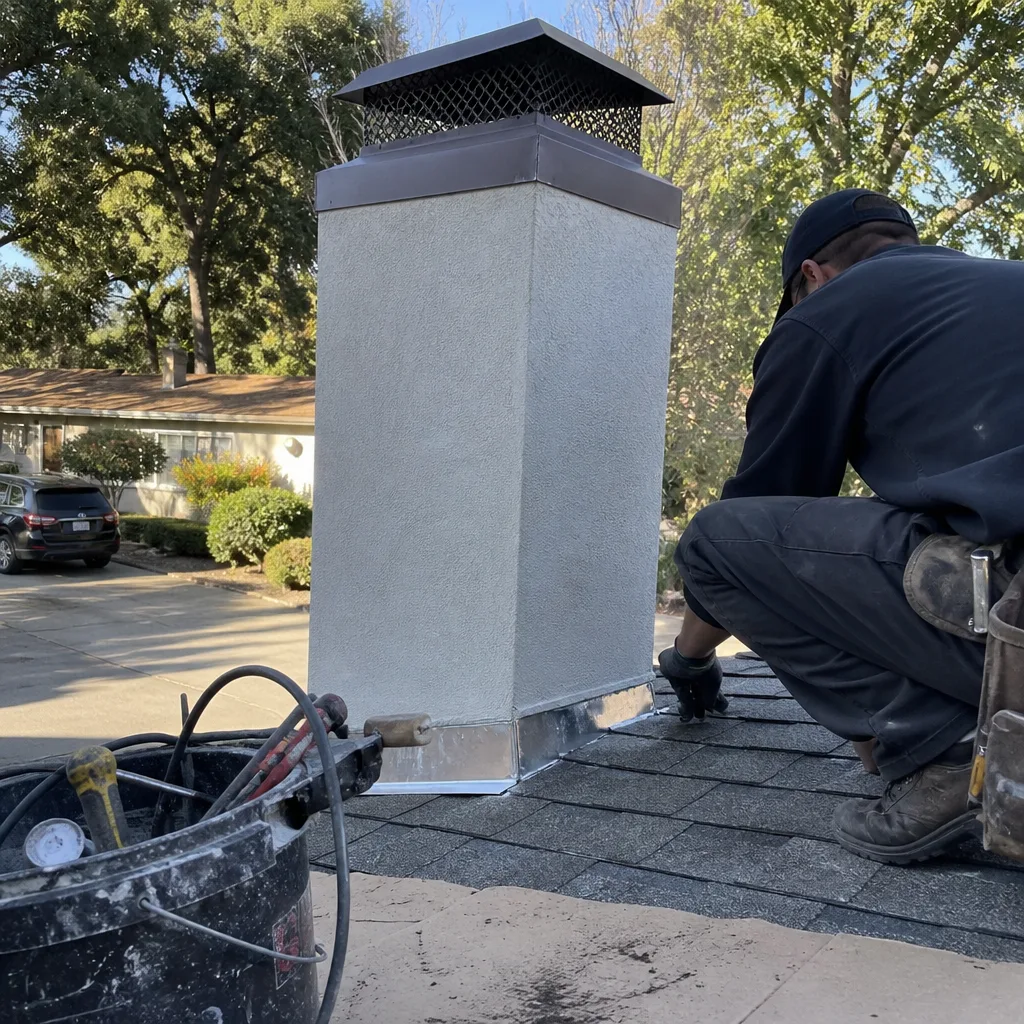 After
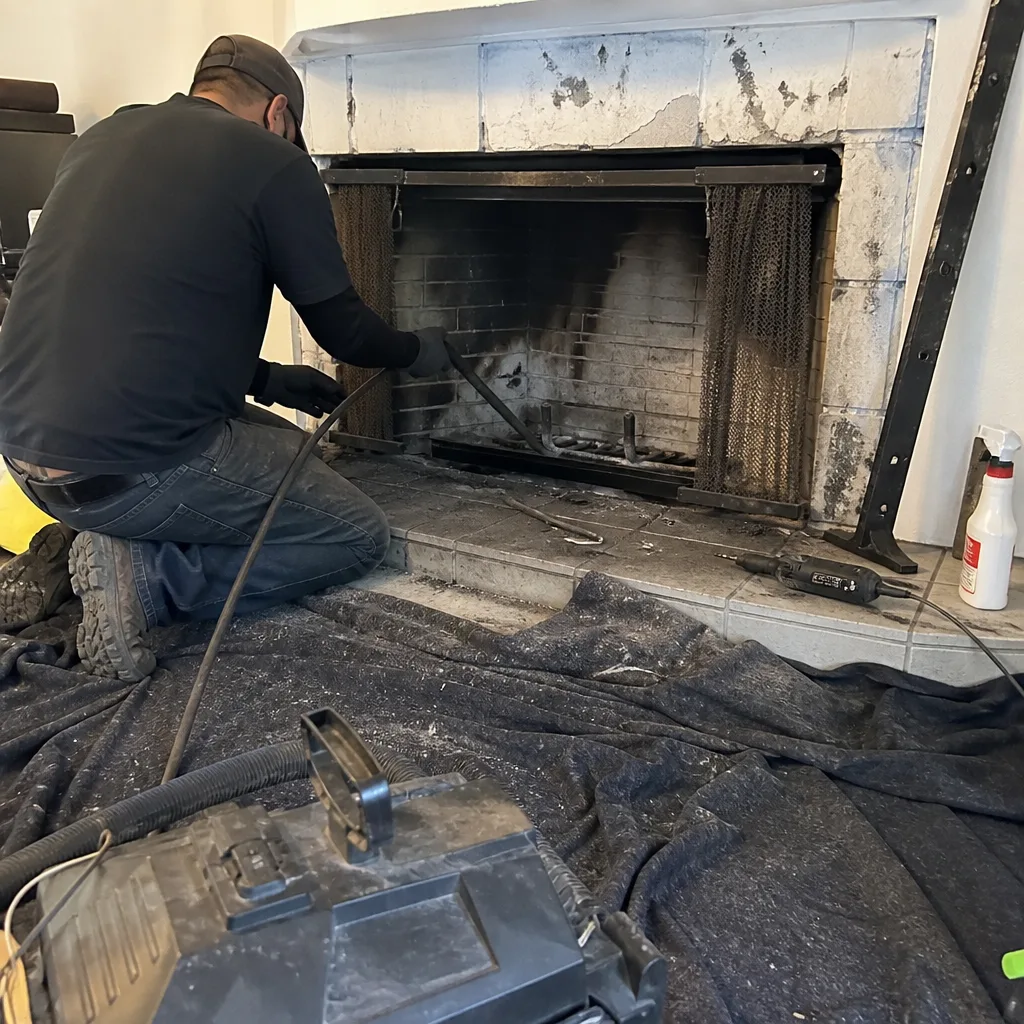 Before
 After
 Before
 After