
Last updated November 2, 2026
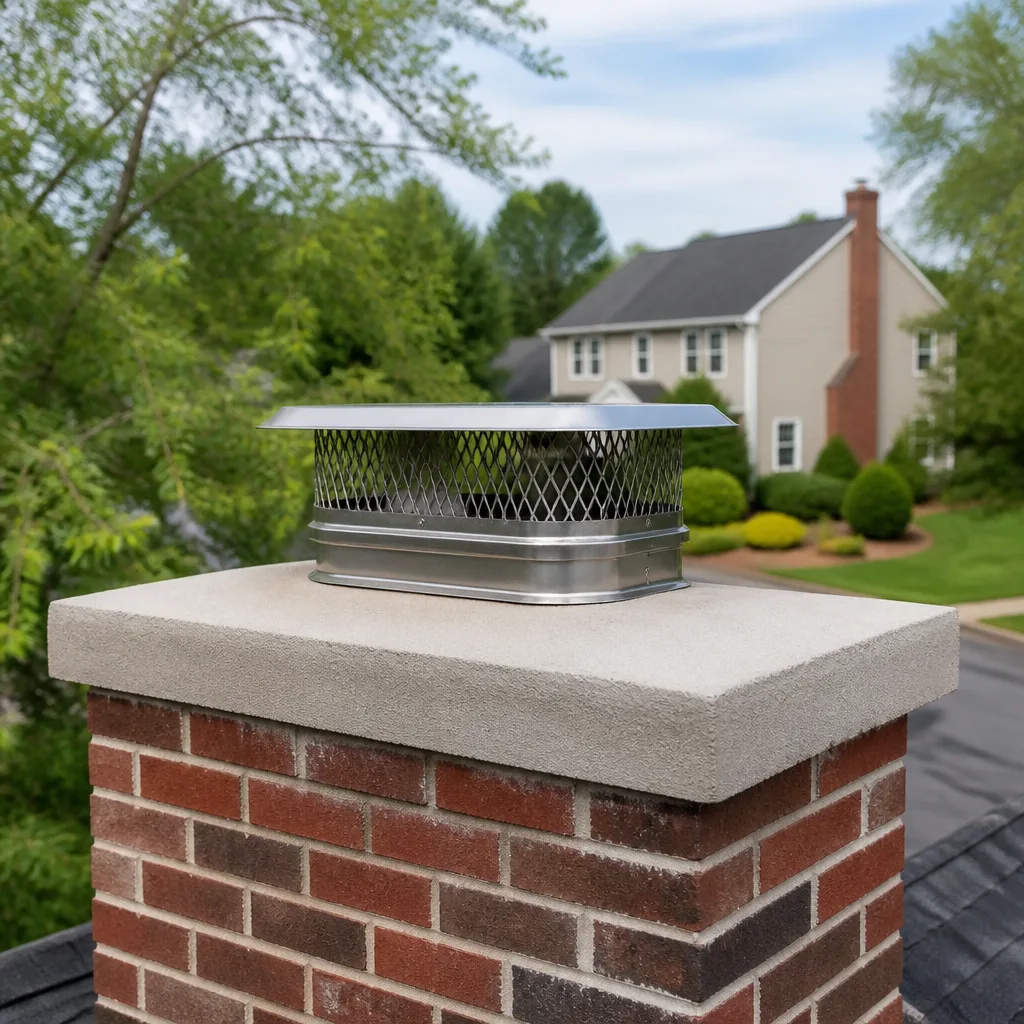 Sweep & inspection
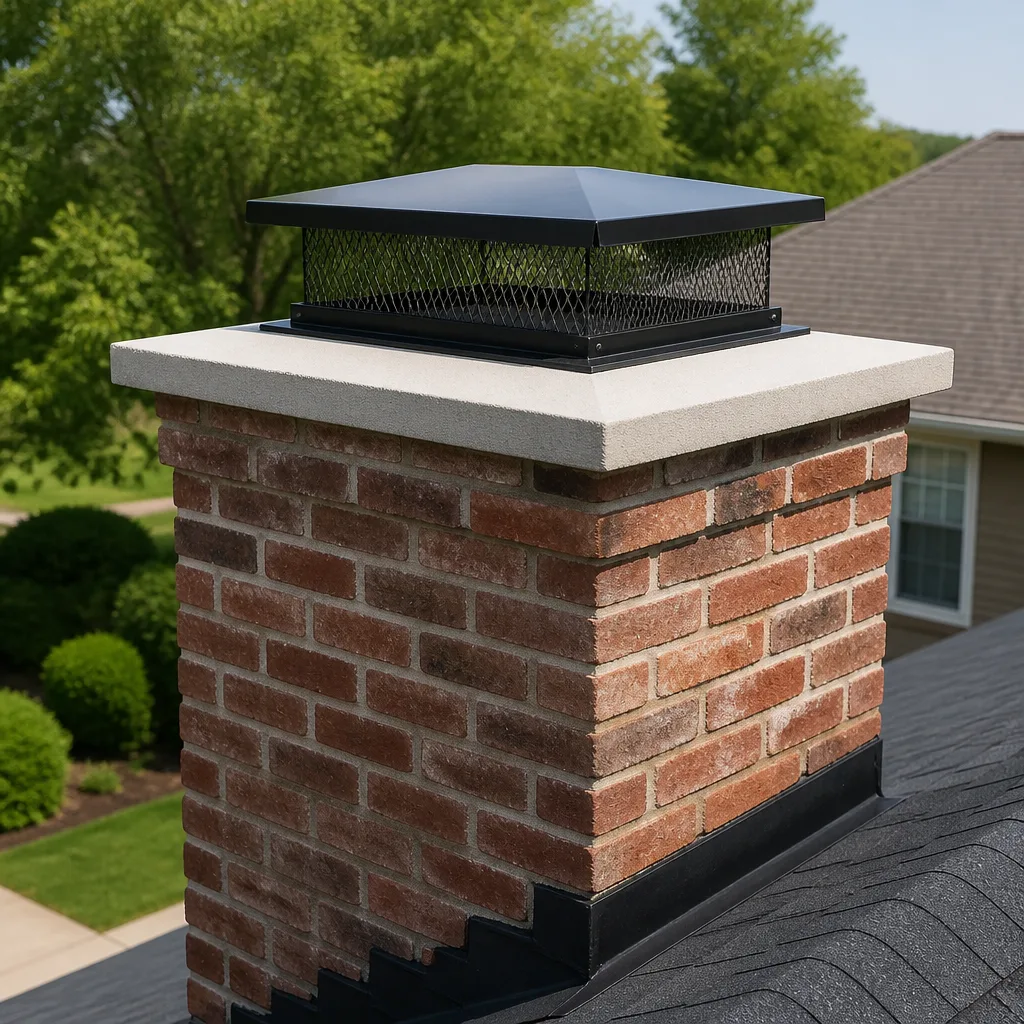 Caps & crowns
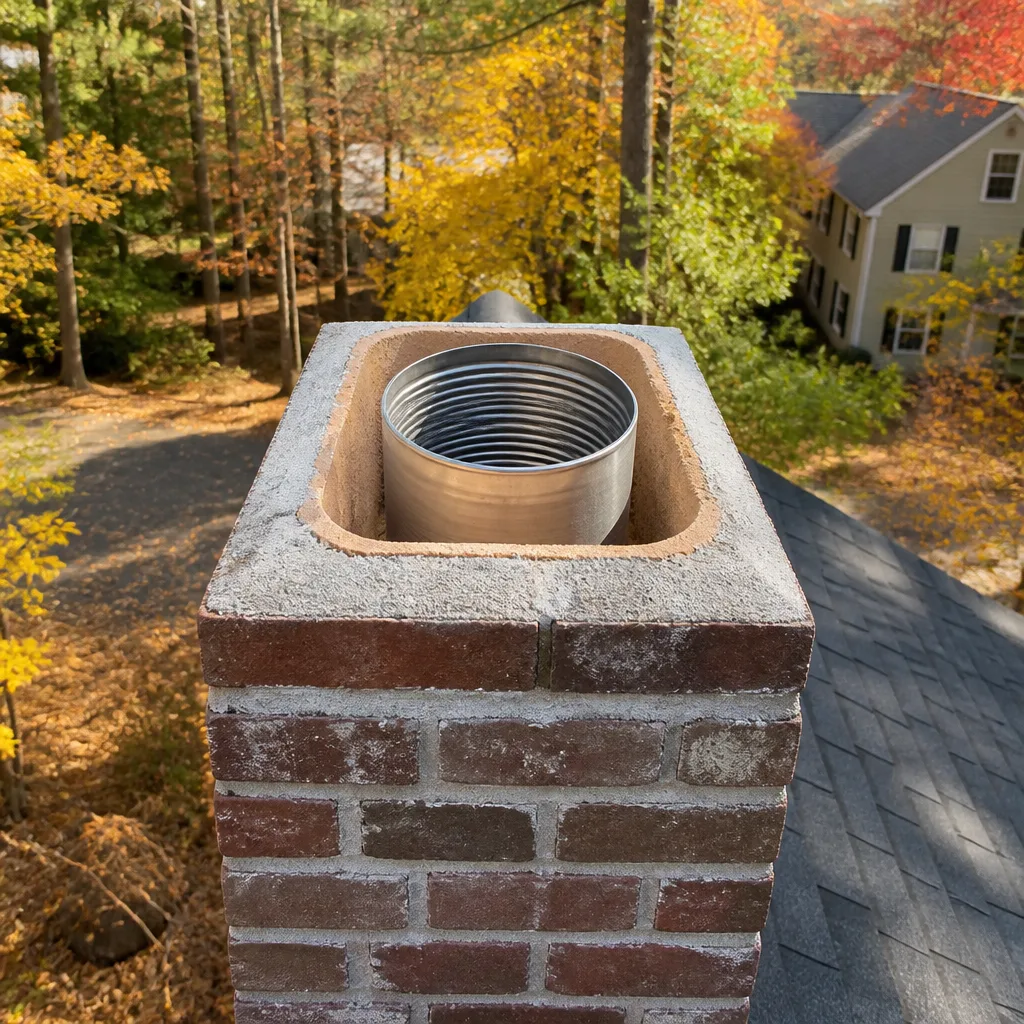 Flue relining
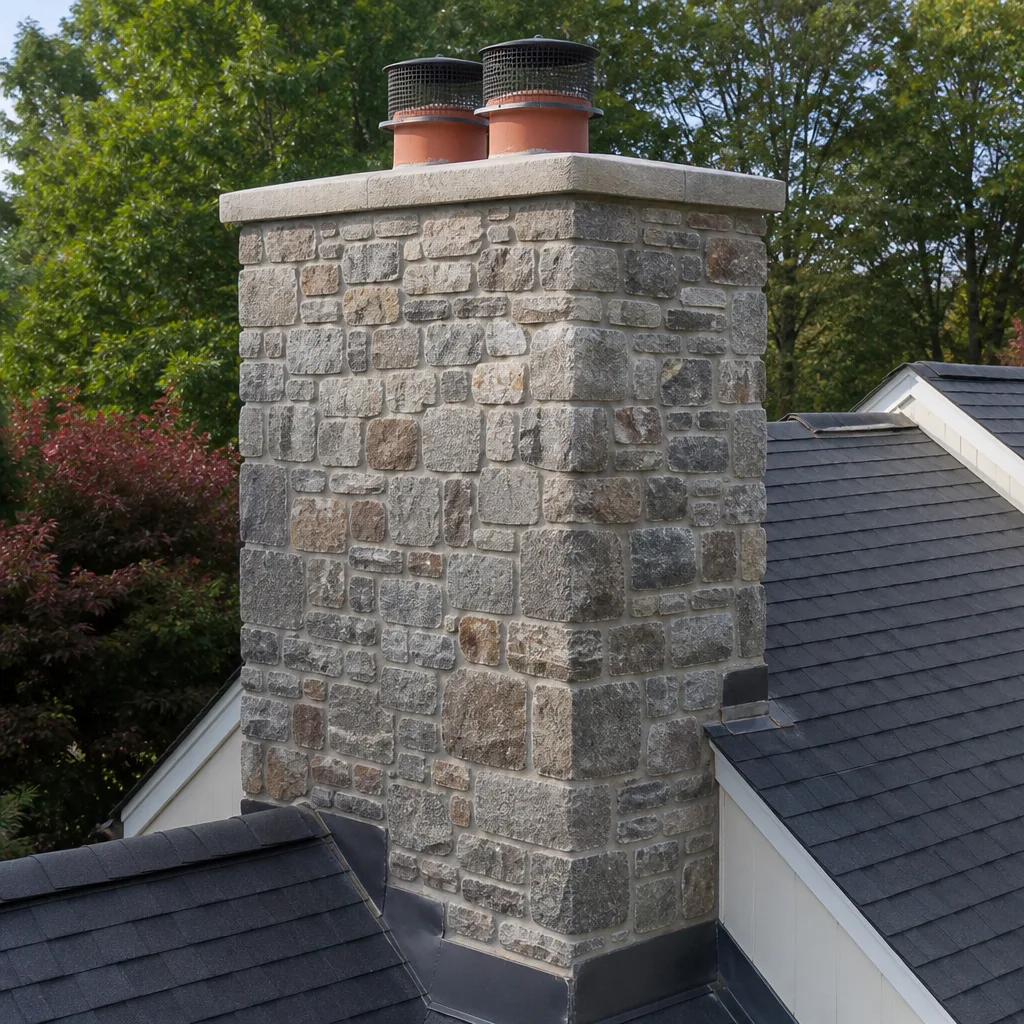 Masonry repair
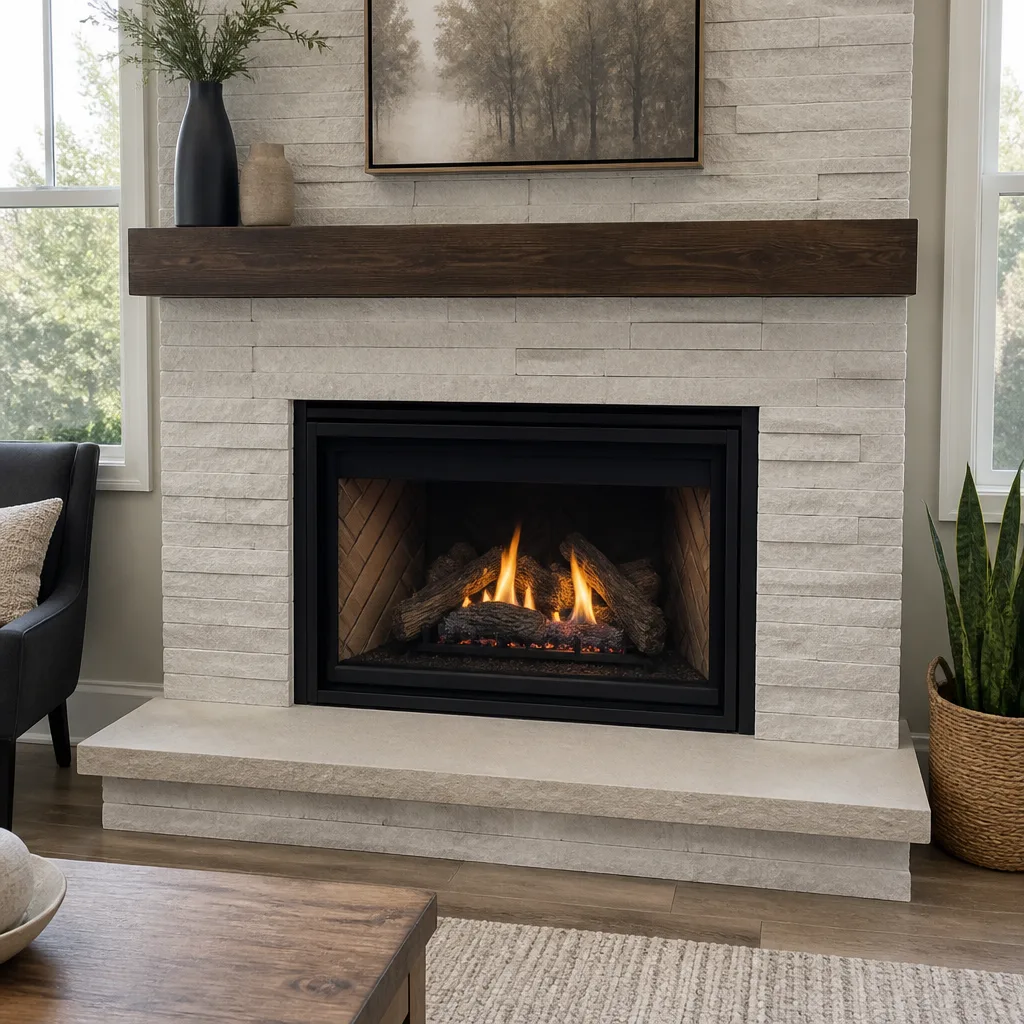 Gas fireplace service
Level 1 sweep and inspection to the NFPA 211 annual standard - flue, crown, cap, and flashing checked and photographed
Chimney sweep logs do not sweep chimneys. They loosen some creosote - which then falls where a brush and vacuum still have to collect it.
Chimney Cleaning Emergency Preparedness Guide for Del Paso Park Homes
A chimney fire and a blocked flue both produce smoke in the house, but the correct immediate response to each is opposite. One requires closing the damper and evacuating. The other requires opening doors and ventilating. Confusing them in the moment is exactly the kind of mistake that turns a manageable incident into a structural loss. This guide walks you through the three distinct chimney emergencies Del Paso Park homeowners face: active chimney fires, carbon monoxide intrusion, and animal blockages. You’ll learn the specific warning signs for each, the immediate steps to take, how to prevent them, and what documentation you’ll need afterward. For Chimney Cleaning Warning Signs: A Del Paso Park Homeowner’s Reference Guide, see our dedicated resource.
Quick Answer
Chimney emergency preparedness in Del Paso Park means knowing three separate response protocols. A chimney fire calls for closing the damper, evacuating, and calling 911 without using water. Carbon monoxide intrusion requires opening windows, getting everyone outside, and calling the gas company or fire department. An animal blockage demands that you stop using the fireplace and call a chimney professional before attempting another burn. Each failure mode has different warning signs, different immediate actions, and different prevention steps.
Styles & brands we work with
- Sweep & inspection
- Caps & crowns
- Flue relining
- Masonry repair
- Gas fireplace service
Table of Contents
- 1. Understanding the Three Chimney Emergency Types
- 2. Active Chimney Fire: Recognition and Immediate Response
- 3. Carbon Monoxide Intrusion: The Silent Blockage
- 4. Animal Blockage Emergencies: Smoke Rollout and What to Do
- 5. The Pre-Season Emergency Prevention Checklist
- 6. Insurance, Documentation, and Post-Incident Inspection
- 7. Common Mistakes to Avoid
- 8. When to Call a Professional
- 9. Frequently Asked Questions
1. Understanding the Three Chimney Emergency Types
Most Del Paso Park homeowners think of chimney emergencies as one thing: a fire that spreads beyond the firebox. In reality, we see three distinct failure modes in this area, and each one demands a different response. Treating them as interchangeable is where serious problems begin.
The first is the active chimney fire. Creosote, the tar-like residue that condenses on flue walls during wood burning, is combustible. When it accumulates to a thickness of roughly a quarter inch and the flue gets hot enough, that creosote can ignite inside the chimney itself. The fire burns within the flue, sometimes reaching temperatures hot enough to crack clay liners, warp metal liners, or spread to surrounding framing through radiant heat.
The second is carbon monoxide intrusion. This isn’t a fire at all. It’s the result of combustion gases, including odorless carbon monoxide, being pulled back into the living space instead of exiting through the chimney. Blocked ducts, poor drafting, or negative pressure inside the house can all cause it. In Del Paso Park, we see this most often in older homes where new windows or weatherstripping have made the house tighter than it was when the fireplace was installed.
The third is animal blockage. Raccoons, squirrels, birds, and even bees establish nests in unused chimneys, particularly during the spring and summer months between burning seasons. The first cold night in fall or winter, a homeowner lights a fire, and smoke rolls immediately into the room because a nest, an animal carcass, or a cluster of debris has sealed or partially sealed the flue.
Each of these emergencies has its own warning signs and its own correct response. A homeowner who responds to an animal blockage the same way they’d respond to a chimney fire, say by closing the damper and sealing up the fireplace, traps smoke in the house. A homeowner who responds to a chimney fire by opening windows and ventilating might provide oxygen to the fire and accelerate it. Understanding which is which before anything goes wrong is the entire point of preparedness.
In our experience at Chimney Sweep in Del Paso Park, homeowners who have thought through these scenarios ahead of time make dramatically better decisions in the moment. The adrenaline is the same. The confusion is not.
2. Active Chimney Fire: Recognition and Immediate Response
An active chimney fire is loud. That’s the first thing to understand. In Del Paso Park, burning seasons produce plenty of creosote accumulation, and when that creosote ignites, it doesn’t burn quietly.
The signs of an active chimney fire include:
- A loud roaring or rumbling sound coming from the chimney, often compared to a freight train or a low-flying jet. This is the sound of air being pulled rapidly up the flue to feed the fire.
- Visible flames or sparks shooting from the top of the chimney. At night, this can look like a Roman candle.
- Intense heat radiating from the firebox area, often beyond what a normal fire produces.
- Vibrations in the chimney structure or in the wall surrounding it.
- A hot, acrid smell that’s distinct from a normal wood fire.
If you observe these signs, here is the correct sequence of action:
- Close the damper. This reduces the oxygen feeding the fire and is the only intervention you should attempt from inside the house.
- Evacuate everyone from the home immediately. Do not stop to gather belongings.
- Call 911 from outside the house. A chimney fire can spread into the framing even when it appears contained within the flue. It needs a professional fire response.
- Do not use water. Water inside a hot chimney can crack clay liners instantly due to thermal shock. It can also create a steam explosion inside the flue that spreads burning creosote.
- Do not attempt to inspect the chimney yourself while the fire is active or immediately after. Wait for the fire department to clear the scene.
The instinct to fight the fire yourself is normal. It is also dangerous. A chimney fire that is roaring inside the flue can reach temperatures exceeding 2,000 degrees Fahrenheit. At those temperatures, even a properly installed chimney can fail. The priority is getting people out and letting the fire department handle suppression.
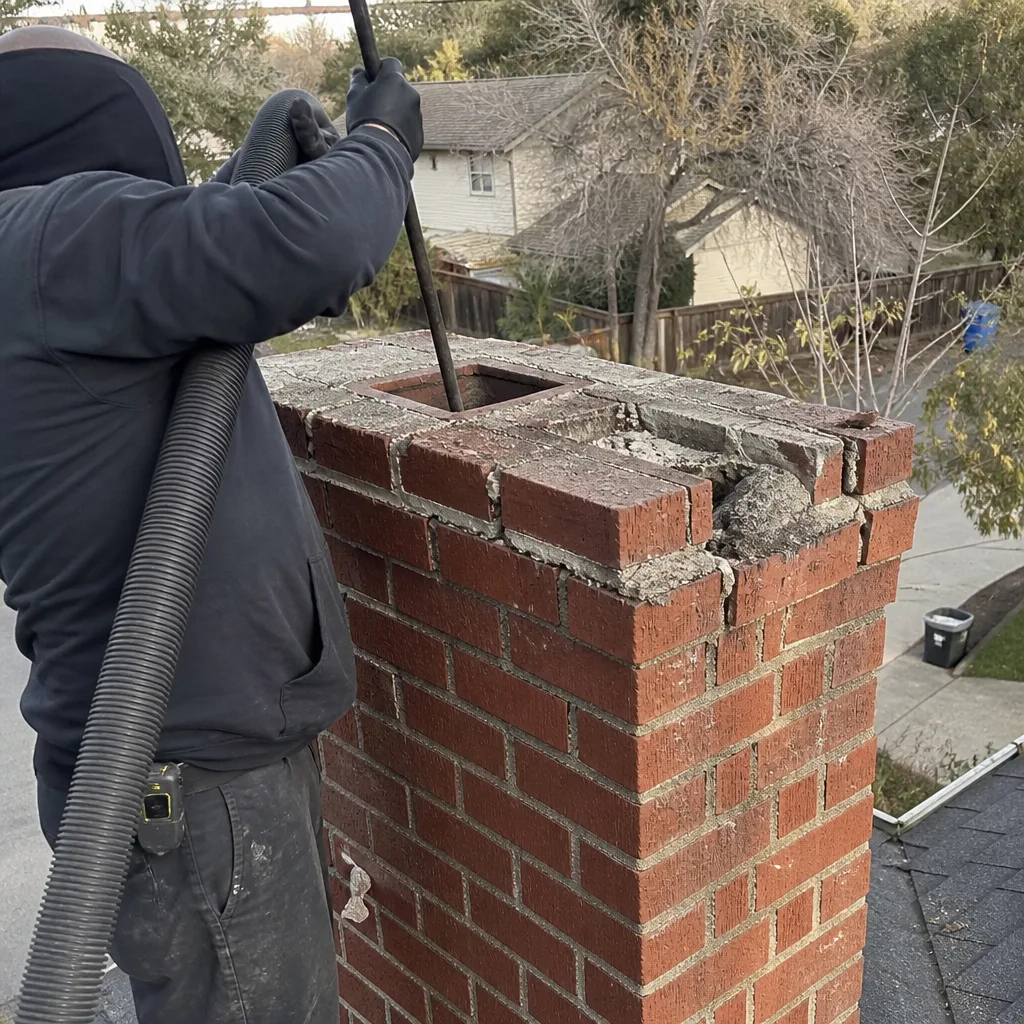
After the fire is out and the scene is secure, the chimney must be inspected before any further use. Period. A chimney fire changes the structural integrity of the flue, even when there is no visible damage from the outside. Cracked liners, compromised mortar joints, and damaged caps are all common findings after a chimney fire that looked contained.
3. Carbon Monoxide Intrusion: The Silent Blockage
Carbon monoxide intrusion doesn’t announce itself with a roar. That’s what makes it the most dangerous of the three failure modes covered in this guide. Del Paso Park homes, particularly those that have been weatherized over the years, are vulnerable to a specific set of conditions that can pull combustion gases back into the living space.
Backdrafting is the technical term. It happens when the air pressure inside the house is lower than the air pressure outside, so the chimney, which is supposed to pull air up and out, becomes an intake vent instead. The combustion gases, including carbon monoxide, flow back into the room rather than up the flue.
What causes backdrafting in Del Paso Park homes? The most common culprits we see are:
- Exhaust fans running simultaneously. A kitchen range hood, a bathroom fan, or a whole-house exhaust fan running while a fire is burning can depressurize the house quickly. The fan pulls air out. The chimney becomes the air source to replace it.
- Tight weatherstripping and newer windows. Older Del Paso Park homes were built leaky by modern standards. That leakage, while inefficient, provided the makeup air needed for natural draft fireplaces. When we seal those leaks, the fireplace loses its air supply.
- Blocked or partially blocked flues. A nest, creosote accumulation, or debris can restrict airflow enough to prevent proper draft, especially in shoulder seasons when the temperature differential between inside and outside is small.
- Cold flue conditions. On a mild day in Del Paso Park, the chimney may not establish a strong draft at all. If the flue is cold and the house is relatively warm, the warm air wants to rise through the house, not the chimney, creating a negative pressure situation at the firebox.
The symptoms of carbon monoxide intrusion are nonspecific, which is why detectors are not optional. Headaches, dizziness, nausea, and confusion are the early signs. They’re easy to misattribute to other causes. In more severe exposure, people experience shortness of breath, blurred vision, and loss of consciousness.
Crucially, a clean chimney does not prevent carbon monoxide intrusion. This is a point we make repeatedly. A flue can be spotless inside and still backdraft if the house is depressurized or the draft is weak for other reasons. The chimney’s job is not just to be clear. It’s to provide a path for combustion gases to exit. If the house won’t let it do that job, cleanliness doesn’t matter.
Immediate response to suspected carbon monoxide intrusion:
- Get everyone outside immediately. Do not open windows first, do not turn off the fireplace, do not go looking for the source. Move outside into fresh air.
- Call 911 or the gas company from outside. They have the equipment to measure carbon monoxide levels and identify the source.
- Do not go back inside until the source has been identified and resolved. Carbon monoxide is odorless and colorless. Without a detector, there is no way to know if the level is safe.
- Once the emergency is resolved, have the fireplace and chimney inspected before using it again. The culprit might be a blockage, or it might be a ventilation problem in the home. A proper inspection determines which.
Prevention involves two things. First, carbon monoxide detectors placed correctly. We’ll cover placement in the pre-season checklist below. Second, an understanding of your home’s pressure dynamics. If you know your house gets depressurized when the range hood runs, you’ll know not to run it while a fire is burning. That’s a simple behavioral change that prevents emergencies.
4. Animal Blockage Emergencies: Smoke Rollout and What to Do
An animal blockage emergency looks different from the other two. The homeowner lights a fire on the first cold night of the season, and within seconds, smoke rolls into the room rather than up the chimney. It’s immediate. It’s unmistakable.
The cause is almost always a nest, an animal, or accumulated debris from an animal that blocked the flue during the months the fireplace sat unused. In Del Paso Park, the most common culprits are chimney swifts, which actually build their nests on the interior walls of chimneys, and squirrels or raccoons, which either nest at the top or, in some cases, fall in and cannot get out.
The signs of a complete blockage include:
- Immediate smoke rollout when the fire is first lit, before the fire has even had time to get going.
- Little or no visible smoke exiting from the top of the chimney.
- A strong animal odor coming from the firebox, particularly if an animal has died in the chimney.
- Debris, twigs, leaves, or animal fur falling into the firebox.
- Scratching, chirping, or chattering sounds coming from the chimney at other times.
The immediate response is straightforward but counterintuitive for some homeowners. The fire may seem like the natural solution. It is the opposite. If you suspect an animal blockage:
- Extinguish the fire if it’s safe to do so. Do not let it continue burning. The smoke it produces has no path to exit, and the heat can ignite the nest material, turning a blockage into a chimney fire.
- Open windows and ventilate the house to clear the smoke that has already entered. This is the opposite of the chimney fire response, where you close the damper. Here, you want airflow through the house.
- Do not attempt to smoke the animal out. This is the critical mistake. Some homeowners think that if they get the fire going, the smoke will force the animal to leave. It can do the opposite. An animal trapped by heat and smoke will panic, potentially die in place, and a dead animal inside a chimney is a different and worse problem.
- Do not attempt to remove the animal or blockage yourself. Reaching up into a dark flue to pull out unknown material is a good way to get bitten, scratched, or to dislodge the blockage in a way that makes it harder to remove later.
- Call a chimney professional. A proper animal removal involves understanding what species is present, when it can be legally removed, and how to clear the blockage safely before the fireplace is used again.
Once the animal, nest, or debris is cleared, the chimney should be inspected before use. Animals can damage liners, dislodge caps, and leave behind nesting material packed into areas well below the main cavity. A visual check is not sufficient to confirm that the flue is clear from top to bottom.
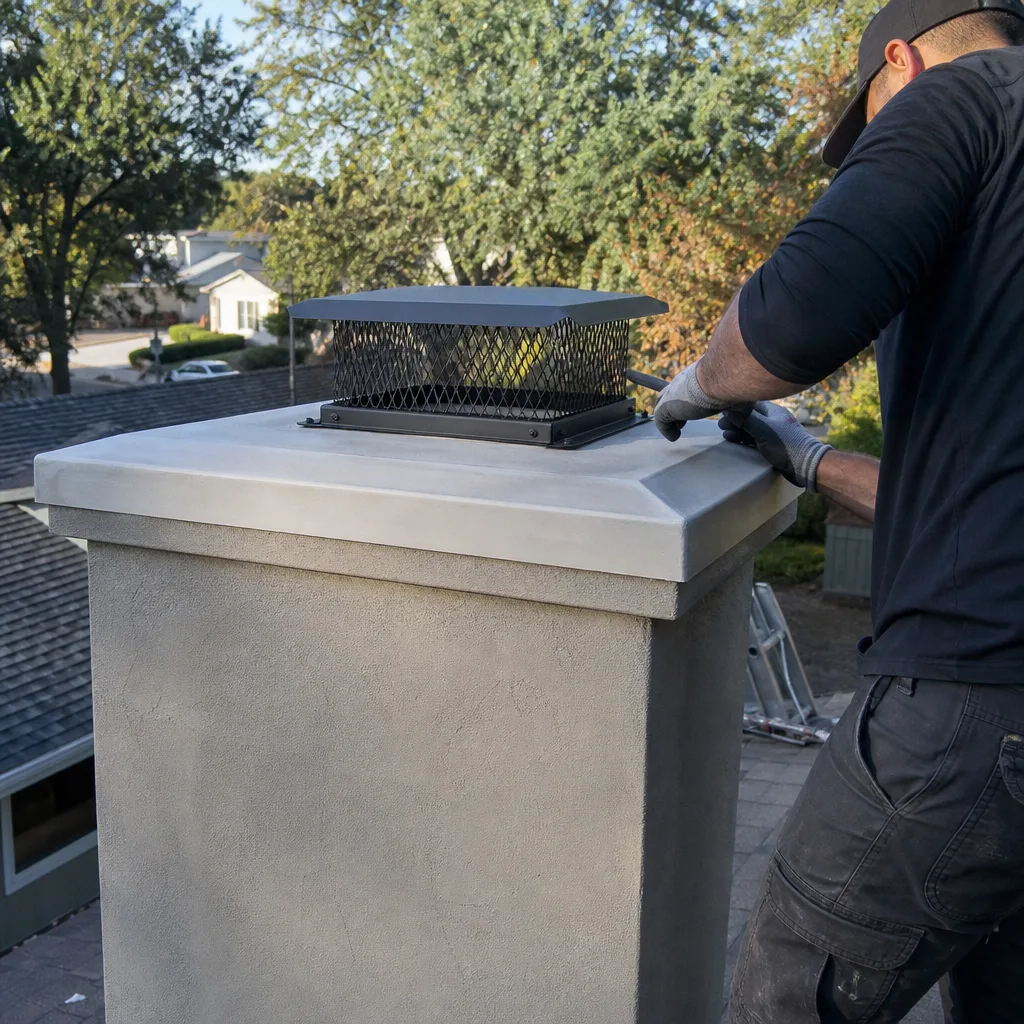
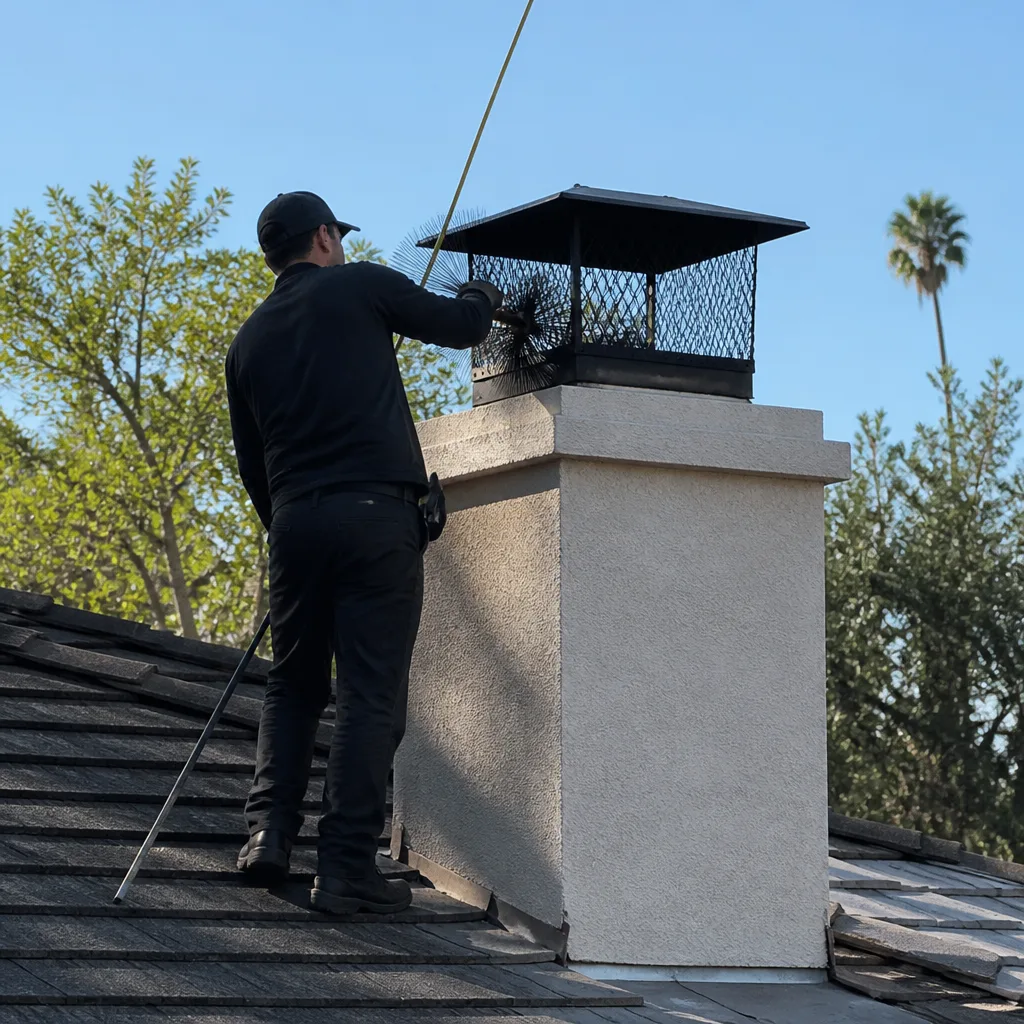
Installing a properly fitted chimney cap is the prevention step. It is the single most effective intervention for keeping animals out of a chimney, and in our experience, a high percentage of Del Paso Park animal blockages occur in chimneys that either lack a cap entirely or have a cap that has come loose or rusted through. A well-fitted cap, installed with a screen that’s sized correctly for the flue, eliminates most animal entry points.
5. The Pre-Season Emergency Prevention Checklist
Prevention is a checklist, not a feeling. Here is the pre-season inspection you should complete every year in Del Paso Park before the first fire of the season, drawn from our Chimney Sweep Maintenance Checklist for Del Paso Park Homeowners. This is the difference between discovering a blockage on a quiet weekend afternoon and discovering it through smoke in your living room on a cold night.
- Inspect the chimney cap from the ground. Is it still there? Is it straight? Are there visible rust holes or gaps where the cap meets the flue? A missing or damaged cap is an open door for animals and debris.
- Check damper operation. Open and close the damper at the fireplace. Does it move freely? Does it seal completely when closed? A stuck or partially sealing damper affects draft and can be a source of heat loss and poor combustion.
- Look up the flue with a flashlight. From the firebox, shine a light up into the chimney. Do you see any obstruction, accumulation, or animal signs? This is a preliminary check only. It cannot replace a proper camera inspection, but it catches obvious problems.
- Test carbon monoxide detectors. Every detector in the house should be tested. Check the battery and the response. If a detector is more than seven years old, replace it. The sensor degrades over time and eventually becomes unreliable.
- Place detectors correctly. You should have a carbon monoxide detector in the same room as the fireplace, mounted high on the wall because carbon monoxide is slightly lighter than air and rises with warm combustion gases. You should also have one in the hallway outside each sleeping area, placed at roughly eye level or higher. A detector in the basement or garage does not protect sleeping occupants.
- Confirm that firewood is properly seasoned. Burning green or wet wood produces more creosote, and creosote is the fuel for chimney fires. In Del Paso Park, the wet winter months are hard on firewood stored outdoors. Wood should be split, stacked off the ground, and covered for at least six months before burning.
- Schedule a professional chimney sweep and inspection. This is the single most important item on the checklist. Everything else here supplements a professional cleaning and inspection. A chimney sweep removes creosote that has accumulated during the previous burning season and checks for cracks, liner damage, blockages, and cap problems that are not visible from the firebox.
The National Fire Protection Association recommends that chimneys, fireplaces, and vents be inspected at least once a year. For wood-burning fireplaces, that annual inspection should be accompanied by cleaning when creosote accumulation reaches a level that can support combustion. Since almost no homeowner can measure creosote thickness themselves, the practical answer is simple: have the chimney swept and inspected before each burning season. In Del Paso Park, the pre-season window is roughly September through November, before the rain and holiday fires begin.
6. Insurance, Documentation, and Post-Incident Inspection
After any chimney-related incident, whether a fire, a carbon monoxide episode, or an animal damage event, there’s a documentation sequence that matters. The decisions you make in the days after an incident affect your insurance claim and your ability to safely use the fireplace again.
First, call your insurance company. Do this promptly, even if the damage seems minor. A chimney fire that appeared small from the outside can have caused hidden structural damage. Insurance adjusters need to see the chimney before repairs begin, so that the condition of the flue can be documented in its post-incident state. If you repair first and document later, you may find that the insurer has questions you cannot answer.
When you call the insurance company, here is what to tell them:
- What happened, in plain language: a chimney fire, a carbon monoxide detection, an animal blockage, or something else.
- When it happened, including the date and time if possible.
- What you observed: the roar, the sparks, the smoke rollout, the detector alarm.
- What immediate steps you took: closed the damper, evacuated, called 911, ventilated the house.
- Whether the fire department responded and, if so, what they found and what they did.
- That you have not yet had any repairs done, and that you want an adjuster to see the chimney before work begins.
Second, arrange for a professional post-incident inspection. After any chimney fire or other incident that could have compromised the flue, this should be a Level 2 inspection at minimum. A Level 2 inspection uses a camera to examine the entire interior of the flue, including sections that cannot be seen from the top or bottom. It’s the inspection that determines whether hidden damage exists. If you had a chimney fire, a Level 1 visual inspection is not sufficient. Insurance companies and local code enforcement in the Del Paso Park area typically require a Level 2 inspection after any reported chimney fire, and some policies require it before a claim will be processed. See Chimney Cleaning Permits, Codes & Inspections in CA: What You Need to Know for full regulatory details.
Third, keep the inspection report. This document is your proof of the chimney’s condition after the incident. It should describe what was found, what repairs are needed, and what work was done. If you sell the home, this report may be requested. If you have a subsequent chimney issue, this report establishes what was known and when. It is not paperwork for paperwork’s sake. It is the record that protects you.
The rule is simple: no fireplace use until a professional inspection clears the chimney for use. Not a small fire to test it. Not one burn to see if the smoke draws. No use until the inspection is complete and the report says the flue is safe. In our experience, homeowners who skip this step and light a fire anyway are the ones who end up with a second, more damaging incident.
7. Common Mistakes to Avoid
- Confusing a chimney fire with a blockage and responding the wrong way. A chimney fire demands closing the damper and evacuating. A blockage demands ventilation. If you’re not sure which is happening, evacuate and call 911. Erring toward evacuation is always safe.
- Using water on a chimney fire. Thermal shock cracks liners and can cause a steam explosion inside the flue. It can transform a contained chimney fire into a structural fire.
- Lighting a fire to smoke out an animal. This often results in the animal dying in place, the nest igniting, or both. The result is a worse version of the original problem.
- Running exhaust fans while the fireplace is in use. The negative pressure created by a range hood or bathroom fan can defeat the chimney’s draft and pull combustion gases into the house. This is one of the leading contributors to carbon monoxide intrusion in Del Paso Park homes.
- Skipping the post-incident inspection after a chimney fire. Even if the fire seemed minor, hidden damage may exist. The fireplace should not be used again until a Level 2 inspection confirms the flue is intact.
- Burning green or wet wood as a cost-saving measure. The creosote produced by unseasoned wood accumulates quickly and becomes the fuel for future chimney fires. The savings on wood disappears if a chimney fire damages the home.
- Assuming a clean chimney prevents carbon monoxide problems. Draft and ventilation issues can cause CO intrusion even in a clean chimney. Detectors and an understanding of your home’s pressure dynamics are the protection here.
8. When to Call a Professional
A professional chimney inspection is warranted after any chimney fire, after any carbon monoxide alarm that cannot be attributed to another source, after animal activity is detected in or around the chimney, and as a pre-season checkup at least once per year. A blockage that you cannot see from the firebox cannot be cleared from the firebox. A liner crack that is invisible to the naked eye is still a pathway for heat and gases. The tools a professional uses, specifically the camera-based inspection equipment, are what make the unseen visible. Chimney Sweep Del Paso Park home offers free estimates in Del Paso Park. Call (855) 341-8804 to schedule a chimney sweep, a dryer vent cleaning, or a repair estimate.
9. Frequently Asked Questions
Chimneys should be swept and inspected at least once per year, typically in the fall before the burning season begins. Homes that burn frequently or burn green wood may need cleaning twice per season. In Del Paso Park, the pre-season window is roughly September through November, before the rainy season and holiday fires start.
A loud roaring sound from the chimney, visible sparks or flames at the chimney top, intense heat from the firebox area, and a hot, acrid smell are the classic signs. The correct response is to close the damper, evacuate everyone from the house, call 911, and do not use water.
Yes. Carbon monoxide intrusion is a draft and ventilation problem first. A chimney can be clean and still backdraft if the house is depressurized by exhaust fans or if the weather conditions in Del Paso Park don’t support a strong draft. Carbon monoxide detectors, correctly placed, are the essential protection.
Extinguish the fire, open windows to ventilate, and do not attempt to burn through the problem. Smoke rollout on first lighting usually indicates an animal blockage, nest, or debris. Lighting a fire to clear it can ignite the blockage or trap an animal inside. Call a chimney professional to inspect and clear the flue before use.
Yes. A Level 2 camera inspection is the minimum after any chimney fire. This type of inspection examines the entire flue interior, including sections not visible from the top or bottom. Insurance companies and local code enforcement typically require a Level 2 inspection after a reported chimney fire before the fireplace can be used again.
A chimney cap keeps animals, debris, and rain out of the flue. Most animal blockages in Del Paso Park occur in chimneys with missing or damaged caps. A properly fitted cap with a correctly sized screen is the single most effective prevention step against the most common type of chimney blockage.
The Bottom Line
Chimney emergencies in Del Paso Park fall into three distinct categories: active fires, carbon monoxide intrusion, and animal blockages. Each one has its own warning signs and its own correct response, and confusing them in the moment is how manageable incidents become structural losses. Prevention is a checklist: inspect the cap, check the damper, test detectors, burn seasoned wood, and schedule an annual sweep and inspection before each burning season. After any incident, documentation matters. Call your insurance company promptly, arrange for a Level 2 inspection, and do not use the fireplace again until a professional clears it. For chimney sweeping, dryer vent cleaning, and chimney repair in Del Paso Park, call Dryer Vent Cleaning in Del Paso Park or Chimney Repair in Del Paso Park at (855) 341-8804 for a free estimate.
Written by the team at Chimney Sweep Del Paso Park, serving Del Paso Park since 2014. Explore more guides & resources on chimney safety and maintenance.
See the difference
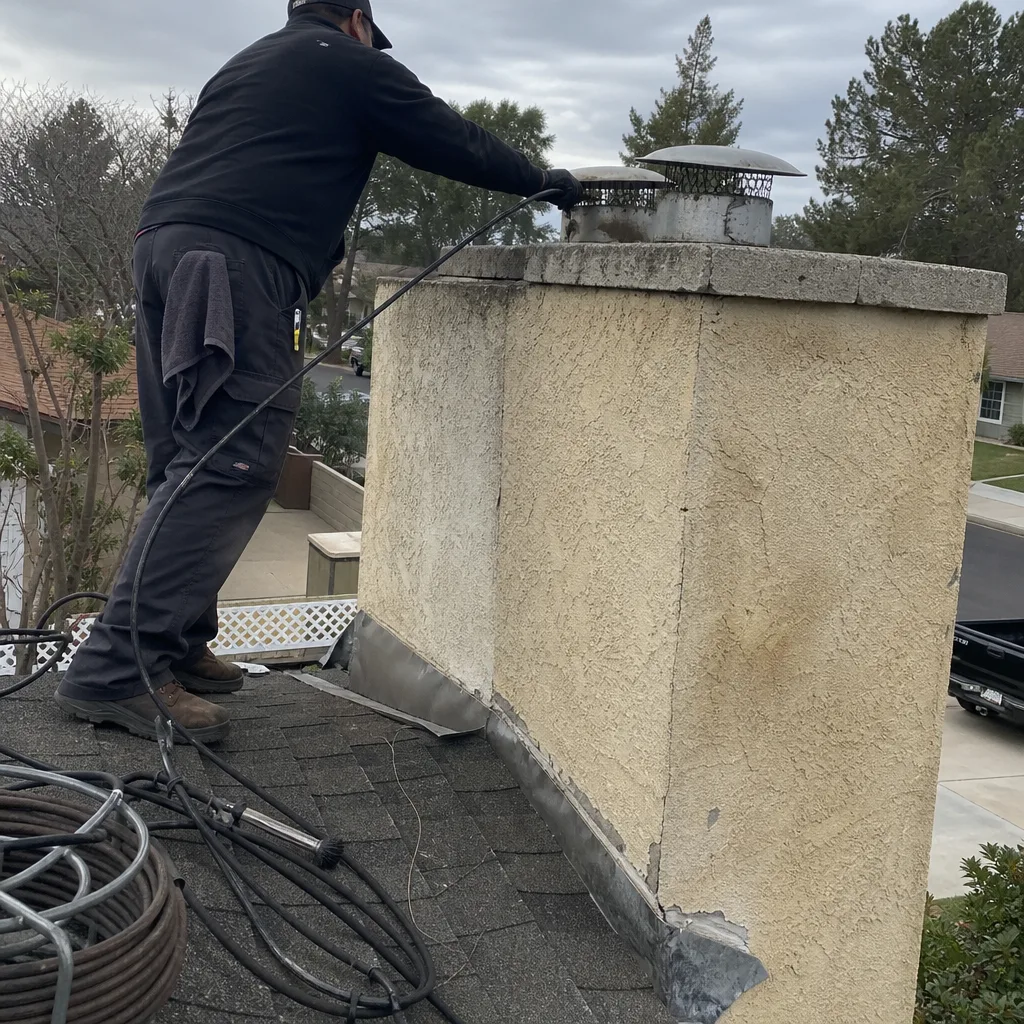 Before
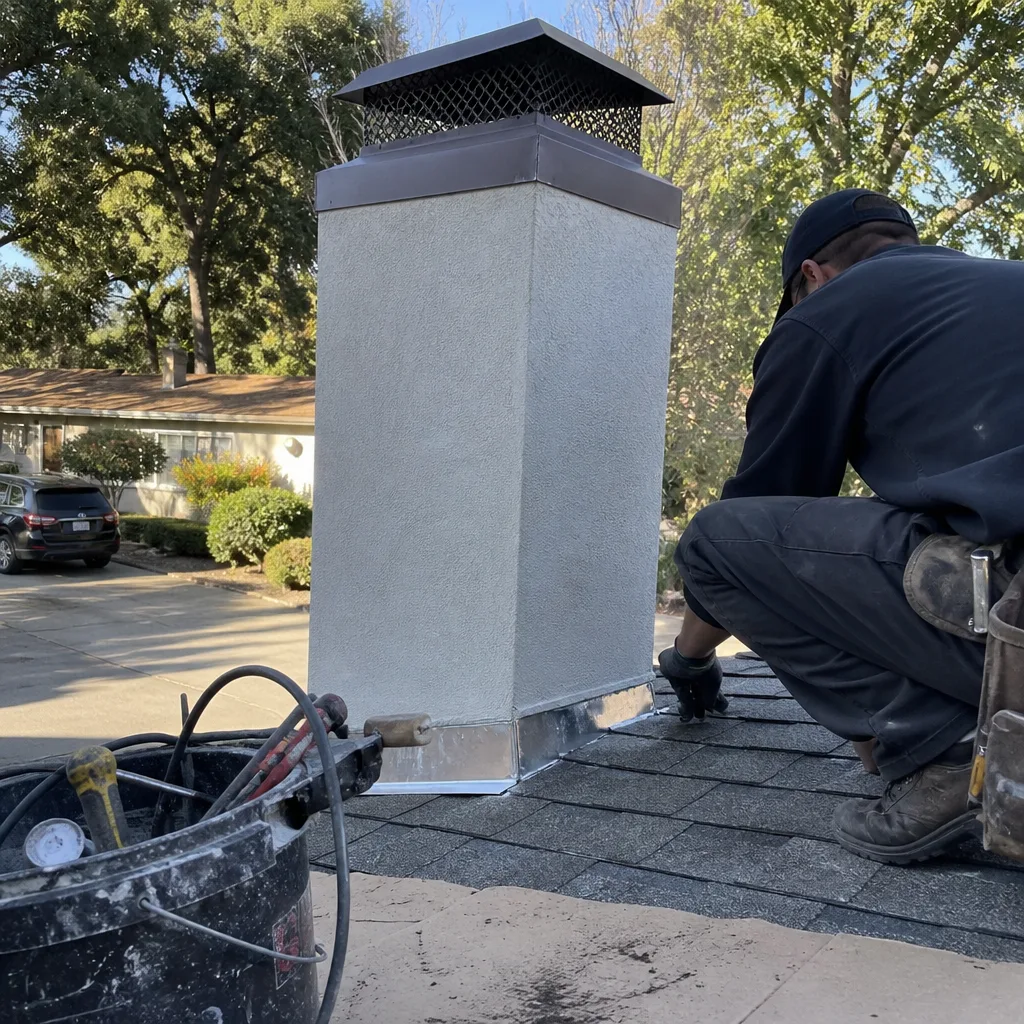 After
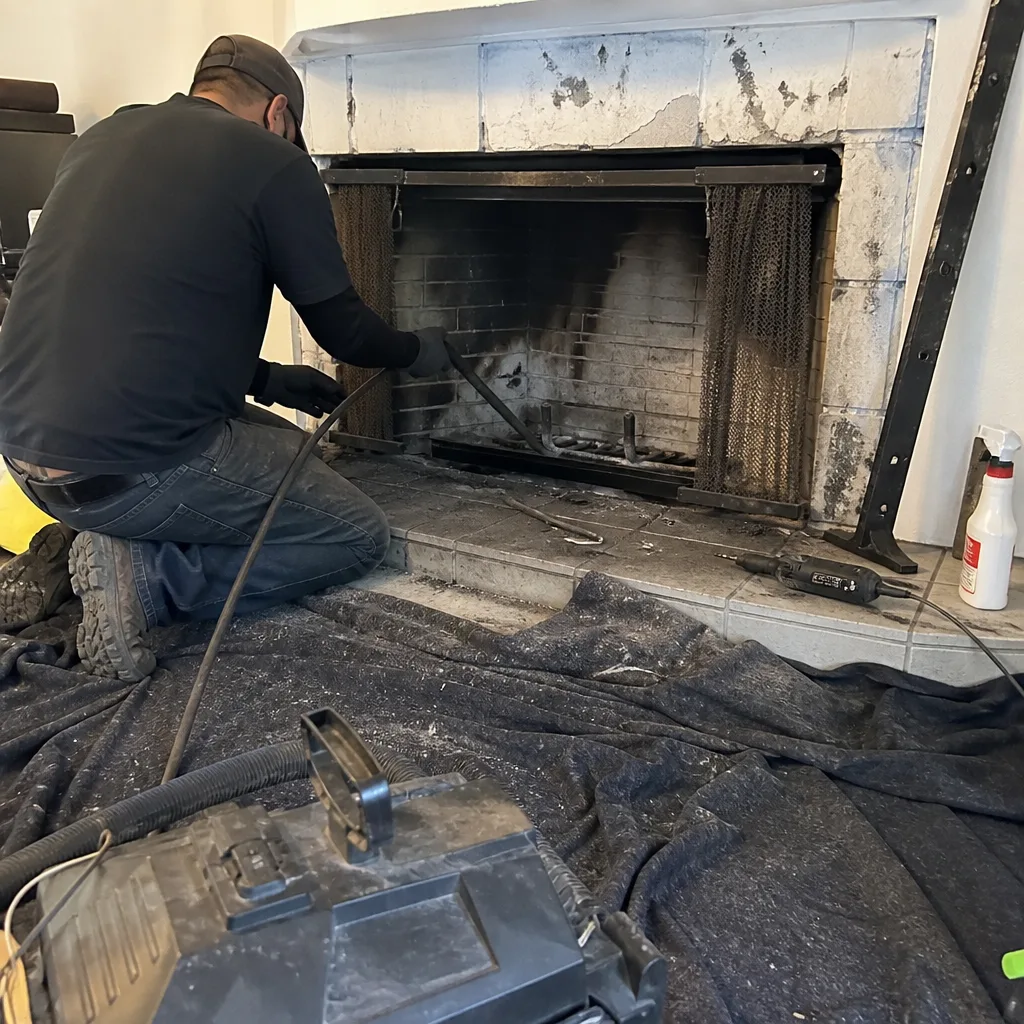 Before
 After
 Before
 After